


The Cambridge Dictionary has named “parasocial” its Word of the Year for 2024, reflecting a growing phenomenon in the digital age: the one-sided emotional connections people form with public figures, fictional characters, or even artificial intelligence. This isn’t simply admiration; it’s the feeling of a genuine relationship with someone who doesn’t know you exist.
The term, defined by Cambridge as “involving or relating to a connection that someone feels between themselves and a famous person they do not know…or an artificial intelligence,” highlights how easily we invest emotionally in lives unfolding online. This matters because parasocial relationships can blur the lines between entertainment and real connection, sometimes with unhealthy consequences.
The Bennifer Illusion
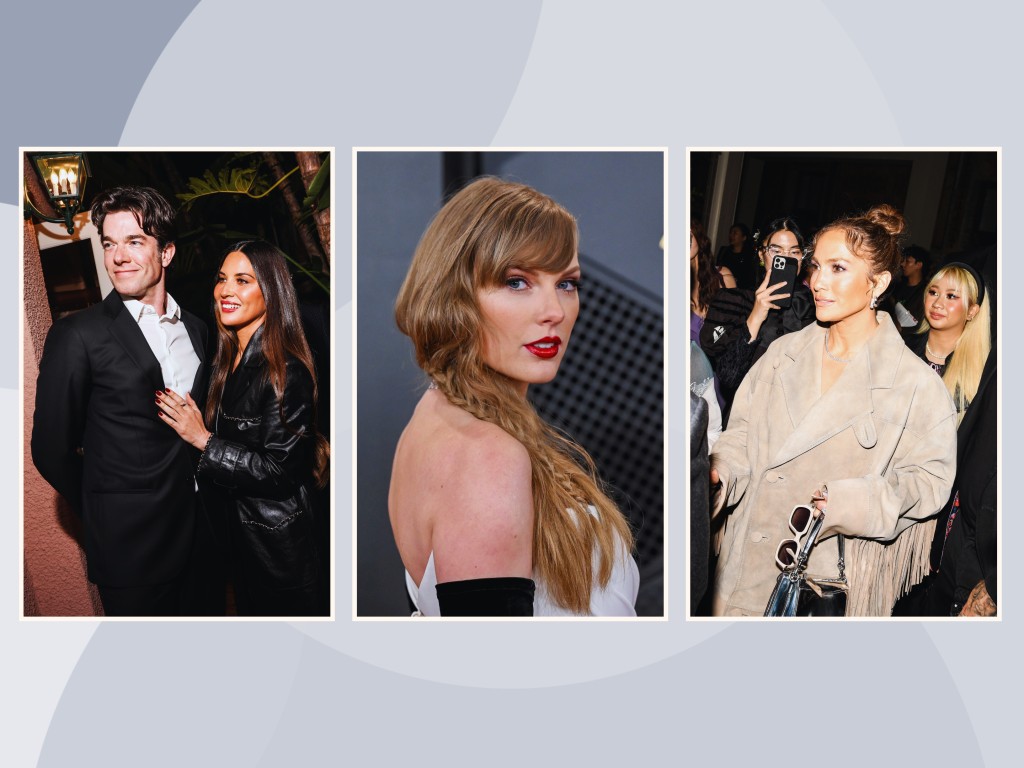
The rekindled romance of Ben Affleck and Jennifer Lopez in 2021 provided a prime example. Media outlets framed it as a fairytale reunion, fueling intense public interest. But their eventual divorce underscored a harsh reality: celebrity relationships, however public, are not meant to be lived through vicariously. The narrative, pushed by entertainment media, encouraged a level of investment that ultimately belonged to no one but themselves.
Taylor Swift and Travis Kelce: The Engagement Frenzy
Taylor Swift’s engagement to Travis Kelce sparked another wave of parasocial intensity. Fans reacted as if it were a personal milestone, sharing emotional responses online. One viral tweet encapsulated the feeling: “Taylor Swift is engaged and I’ve never felt more parasocial over someone.” This demonstrates how deeply some people invest in the lives of celebrities, experiencing joy or sadness as if it were their own.
Confiding in AI: The Chatbot Connection
The rise of AI chatbots has created new avenues for parasocial relationships. People are increasingly turning to these programs for advice and companionship, blurring the line between human and artificial interaction. A recent congressional investigation into AI safety highlighted the dangers of “chatbot parasocial relationships,” prompting warnings from 44 US attorneys general.
The John Mulaney Effect
Comedian John Mulaney unintentionally popularized the term when his divorce from Anna Marie Tendler and subsequent relationship with Olivia Munn played out publicly. Fans, invested in his “wife-guy” persona, reacted with outrage, as if betrayed by a personal friend. This underscored how deeply some people internalize the narratives of public figures.
The iShowSpeed Parasocial
Streamer iShowSpeed’s fanbase exemplifies the intensity of these connections. One fan posted a detailed thread about Speed’s past relationship, identifying as his “number 1 parasocial.” Speed’s response—blocking the fan—serves as a stark reminder of the one-sided nature of these relationships.
Lily Allen and the Vicarious Breakup
Even consuming content like Lily Allen’s divorce album, West End Girl, can venture into parasocial territory. Deep-diving into theories about her personal life crosses a line, turning entertainment into vicarious involvement.
The Cambridge Dictionary’s choice of “parasocial” as Word of the Year isn’t just a linguistic observation; it’s a reflection of a changing social landscape where the boundaries between public and private, real and imagined, are increasingly blurred. These connections, while often harmless, carry the potential for unhealthy investment, reminding us that the lives of others, no matter how accessible they may seem, remain fundamentally separate from our own