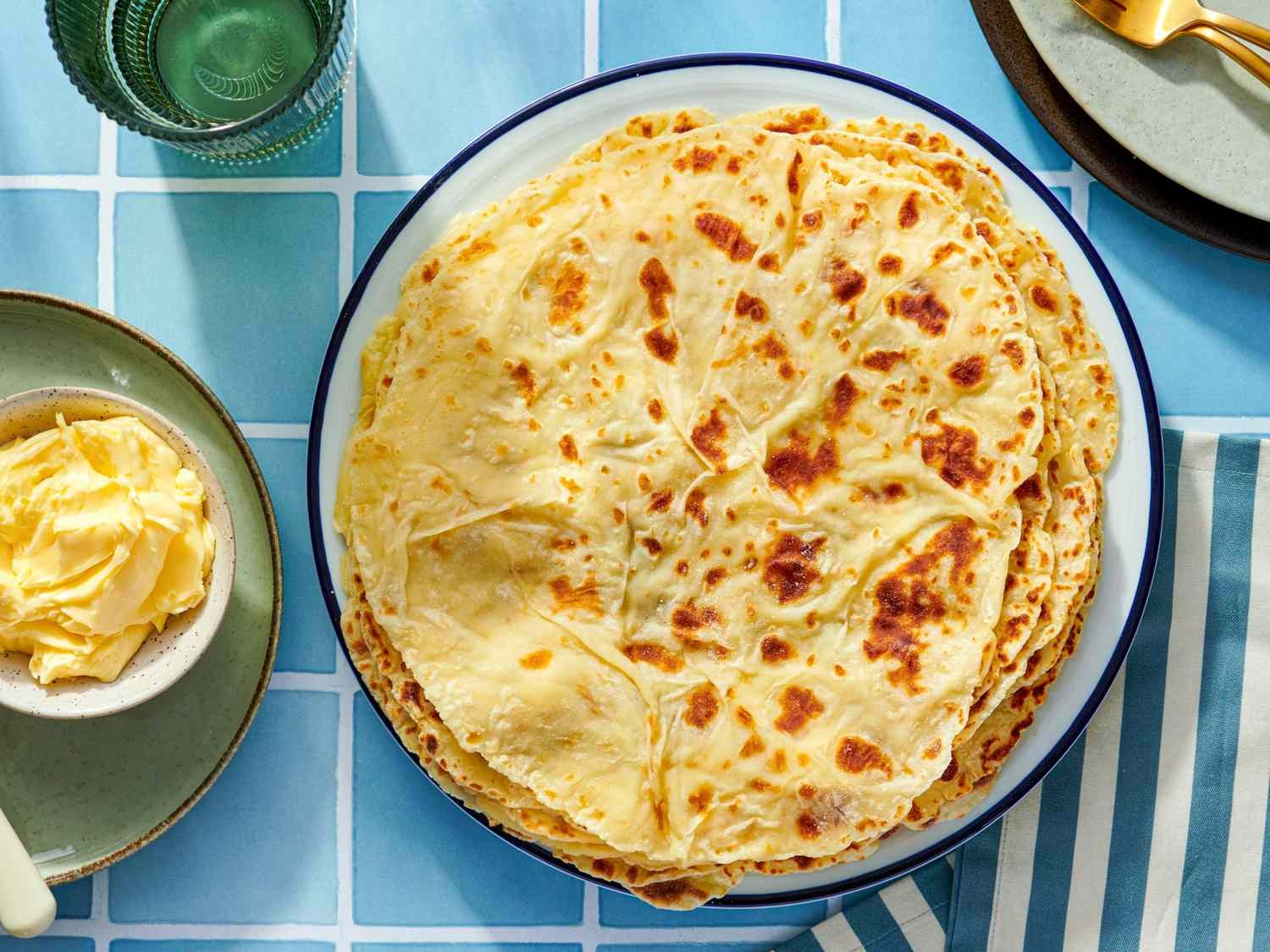
For generations, Midwestern families have cherished lefse, a thin, soft flatbread with Norwegian roots. While the process can seem daunting, understanding the science behind it—and a few key techniques—makes all the difference. This isn’t just about making potato bread; it’s about connecting with a culinary heritage that has evolved over decades.
The History and Adaptation of Lefse
Originally a diverse category of flatbreads in Norway, the American version largely centers around potatoes. This shift isn’t accidental; influential immigrant bakers like Anna Kindlem in Minnesota helped popularize the potato-based potetkaker variety. Like many immigrant cuisines, the dish adapted to new ingredients and preferences. Today, it’s a staple at gatherings and family celebrations, served with everything from butter to Nutella.
Why Lefse Is So Difficult (And How To Fix It)
The biggest challenge with lefse is its notoriously sticky dough. The key is understanding how starch behaves. Russet potatoes, rich in amylose, create a gel-like structure when cooked. Chilling the mixture firms this structure, making it easier to roll. However, too much flour toughens the dough, so a delicate balance is crucial.
The real secret? Flour liberally during rolling. Unlike most bread-making where extra flour is avoided, lefse needs it to prevent sticking. A dedicated pastry board and rolling pin are helpful, but a well-floured kitchen towel works perfectly well.
Mastering the Technique: Step-by-Step
- Cook & Chill: Boil russet potatoes until tender. Drain, then rice them while hot. Mix in butter, cream, salt, and sugar until smooth. Refrigerate uncovered for at least four hours. This step firms the starch, ensuring a workable dough.
- Flour Sparingly: Add flour gradually, mixing until just combined. The dough should be cool, pliable, and slightly tacky. Avoid overworking it.
- Roll Thinly: Divide the dough and roll on a heavily floured surface. The goal is translucence; if you can read print through the dough, it’s ready.
- Cook Quickly: Heat a nonstick skillet over medium-high heat. Cook each lefse for about one minute per side, until lightly browned. Transfer immediately to a plate to prevent sticking.
The Science Behind the Success
The science is simple: controlling starch and gluten. Cooling firms the potato starch, while minimal flour keeps the dough tender. The liberal flouring during rolling prevents sticking without toughening the bread itself.
Conclusion
Making lefse requires patience, practice, and an understanding of the underlying principles. It’s not a quick process, but the result—a soft, flavorful flatbread steeped in tradition—is well worth the effort. Whether you serve it with butter, jam, or your favorite filling, lefse is more than just food; it’s a connection to a cultural heritage.