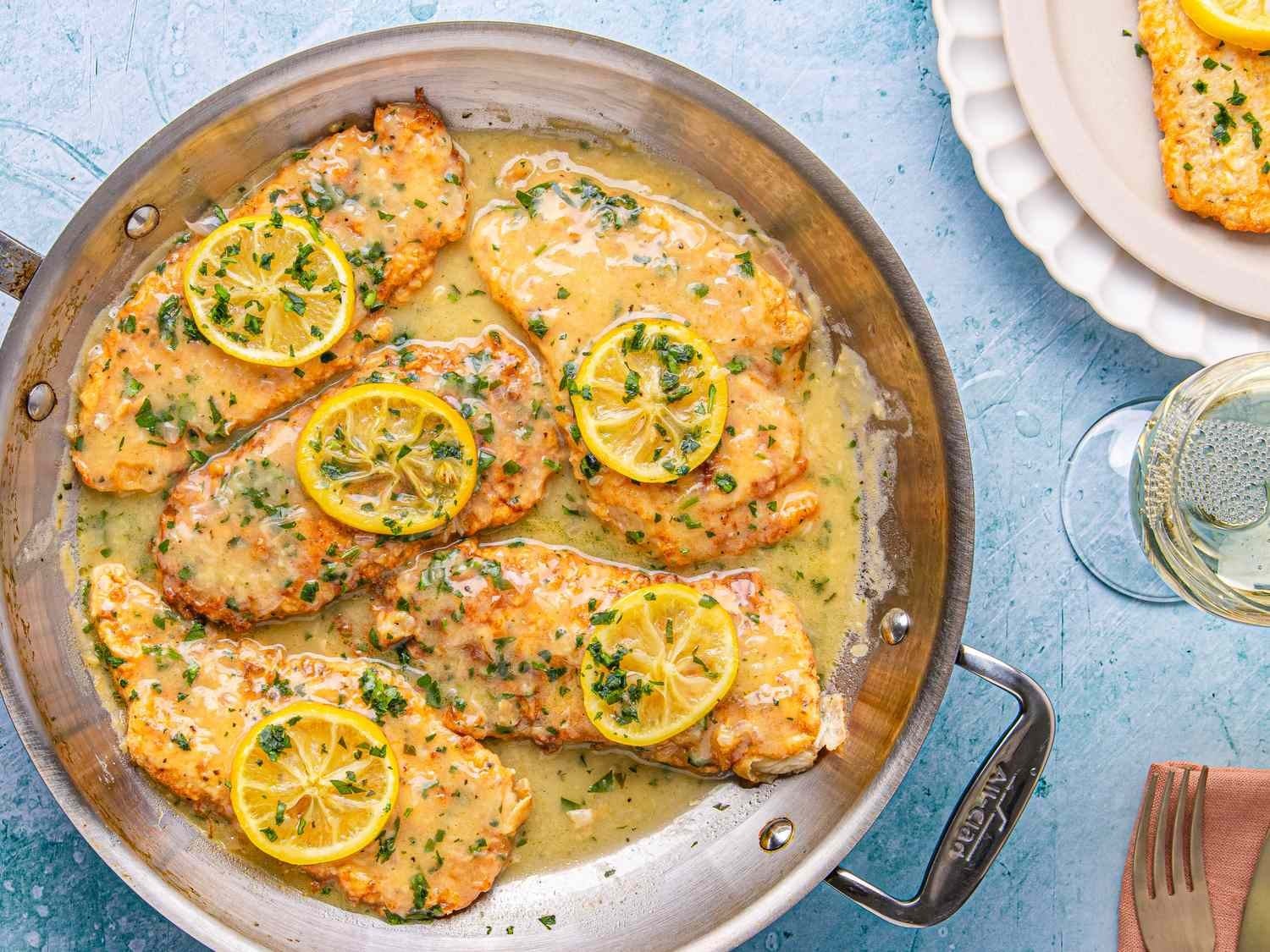
Chicken Francese is one of Rochester, New York’s signature dishes, alongside the iconic garbage plate and white hots. Its place in the city’s food culture is secure, a staple on the menus of countless Italian-American restaurants. But why this dish—and why Rochester?
A City Built on Industry and Flavor
Rochester, a former manufacturing hub dominated by Kodak, developed a distinct culinary identity. A large Italian-American community shaped its food scene, and chicken Francese became a cornerstone of those local traditions. It stands alongside baked ziti and chicken parm as a defining dish in the city’s dining landscape.
The French Connection: More American Than Parisian
The name “Francese” might suggest French origins, but the reality is more nuanced. The dish’s name reflects a mid-20th-century trend of American cooks using French culinary terms to elevate their dishes, even if the connection was loose. Chicken Francese likely evolved from the French escalope —a thin, pounded cutlet—adapted and perfected in Italian-American kitchens.
This fusion is common: many American-Italian dishes blend techniques from different culinary traditions. The key is that the name stuck, even if the dish itself is distinctly American in its execution.
What Sets Chicken Francese Apart?
The difference between chicken Francese and similar dishes like chicken paillard or piccata lies in the preparation. While the latter rely on flour alone, Francese uses both flour and egg before pan-frying. This creates a uniquely tender, custardy exterior that clings to the sauce, delivering a richer flavor.
The technique ensures the cutlets cook quickly and evenly without drying out, making it an ideal choice for both restaurants and home cooks.
The Sauce: A Balance of Brightness and Richness
The sauce comes together quickly in the same pan used for the chicken. Caramelized lemon slices, shallots, white wine, and chicken broth form the base. The sauce thickens to a spoon-coating consistency, brightened with lemon juice and finished with cold butter for a silky sheen.
The result is a sauce that perfectly complements the tender chicken, adding both acidity and richness.
Why It Matters
Chicken Francese is more than just a meal; it’s a cultural artifact. It represents Rochester’s industrial past, its Italian-American heritage, and the American tendency to borrow and adapt culinary traditions.
The dish’s simplicity—familiar ingredients, short cooking time, yet a polished result—makes it both accessible and special. It’s proof that sometimes, the most memorable meals come from blending cultures and celebrating local flavors.