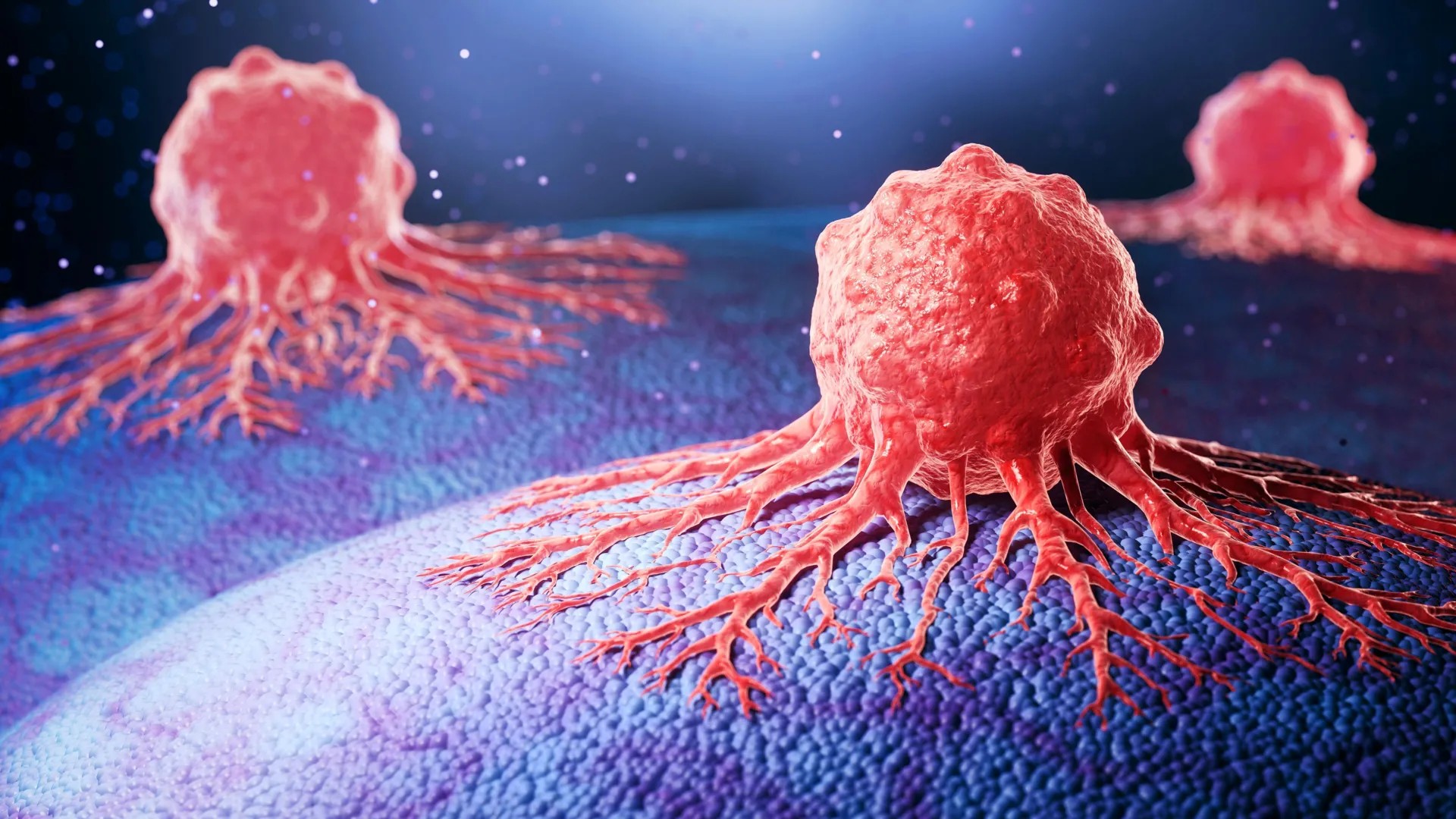
Researchers have uncovered a critical mechanism by which cancer cells evade immune detection, offering a potential new therapeutic target. The study, published in Cell, reveals that the protein MYC, long known for driving tumor growth, also actively suppresses the body’s natural defenses by silencing internal alarm signals. Blocking this function in laboratory animals led to rapid tumor collapse, suggesting a major breakthrough in cancer treatment.
The MYC Protein: A Dual Threat
MYC is a central driver of uncontrolled cell division in many cancers. But scientists found it does more than just fuel growth; it also manipulates the immune system. Under normal conditions, MYC activates genes that promote cell growth. However, within rapidly growing tumors, MYC switches roles: instead of binding to DNA, it binds to RNA, forming dense clusters that act like molecular hubs.
These hubs concentrate proteins, including the exosome complex, which destroys RNA-DNA hybrids. These hybrids are normally danger signals, alerting the immune system to cellular distress. By clearing these signals, MYC effectively disables the body’s ability to recognize and attack the tumor.
How Cancer Silences Its Own Alarm
The exosome complex normally breaks down faulty RNA-DNA hybrids that act as distress signals. The researchers found that MYC organizes the destruction of these hybrids, shutting down the immune alarm before it can activate defenses. This means the immune system never even recognizes the tumor as a threat.
The team proved that this immune evasion is separate from MYC’s role in driving cell growth. Blocking only the RNA-binding function of MYC, without affecting its growth-promoting activity, resulted in dramatic tumor shrinkage in animal models. Tumors with defective MYC shrunk by 94% in 28 days, but only in animals with intact immune systems.
A Targeted Approach to Cancer Treatment
Past attempts to shut down MYC entirely have failed due to harmful side effects on healthy cells. But this new discovery offers a more precise approach. Future drugs could specifically inhibit MYC’s RNA-binding ability, leaving its growth-promoting function intact while exposing the tumor to immune attack. This strategy could finally allow the immune system to recognize and destroy cancer cells without widespread toxicity.
Future Research and Implications
Clinical applications are still years away. Researchers need to understand how immune-activating RNA-DNA hybrids escape the cell nucleus and how MYC’s RNA binding shapes the tumor environment.
As Dr. David Scott, Director of Cancer Grand Challenges, stated, this research demonstrates the power of international collaboration in tackling complex cancer challenges. The findings have broad implications, potentially impacting both adult and childhood cancers.
“Uncovering the mechanisms tumors use to hide from the immune system can open up new possibilities for treatment.”
The study was a collaborative effort funded by Cancer Research UK, the Children Cancer Free Foundation (Kika), and the French National Cancer Institute (INCa), highlighting the importance of global cooperation in advancing cancer research.