Most people fall into two camps: those who love Parmesan cheese and those who don’t. For enthusiasts, there’s little comparison between freshly grated, high-quality Parmesan and the pre-grated stuff. The difference isn’t just taste; it’s about what you’re actually buying.
The Parmesan vs. Parmigiano Reggiano Divide
The first step to better cheese is understanding the labels. Parmigiano Reggiano is a protected designation of origin (DOC) in Italy. This means it must be made with specific ingredients (partially skimmed cow’s milk), aged for at least 12 months, and produced in one of five designated regions: Parma, Bologna, Reggio Emilia, Modena, or Mantua. The longer it ages (up to 36 months), the more complex and flavorful it becomes.
“Parmesan” cheese, as sold in the U.S., isn’t subject to the same strict regulations. It may resemble Parmigiano Reggiano, but quality varies widely. This is where the real problem begins.
The Shocking Ingredient: Cellulose
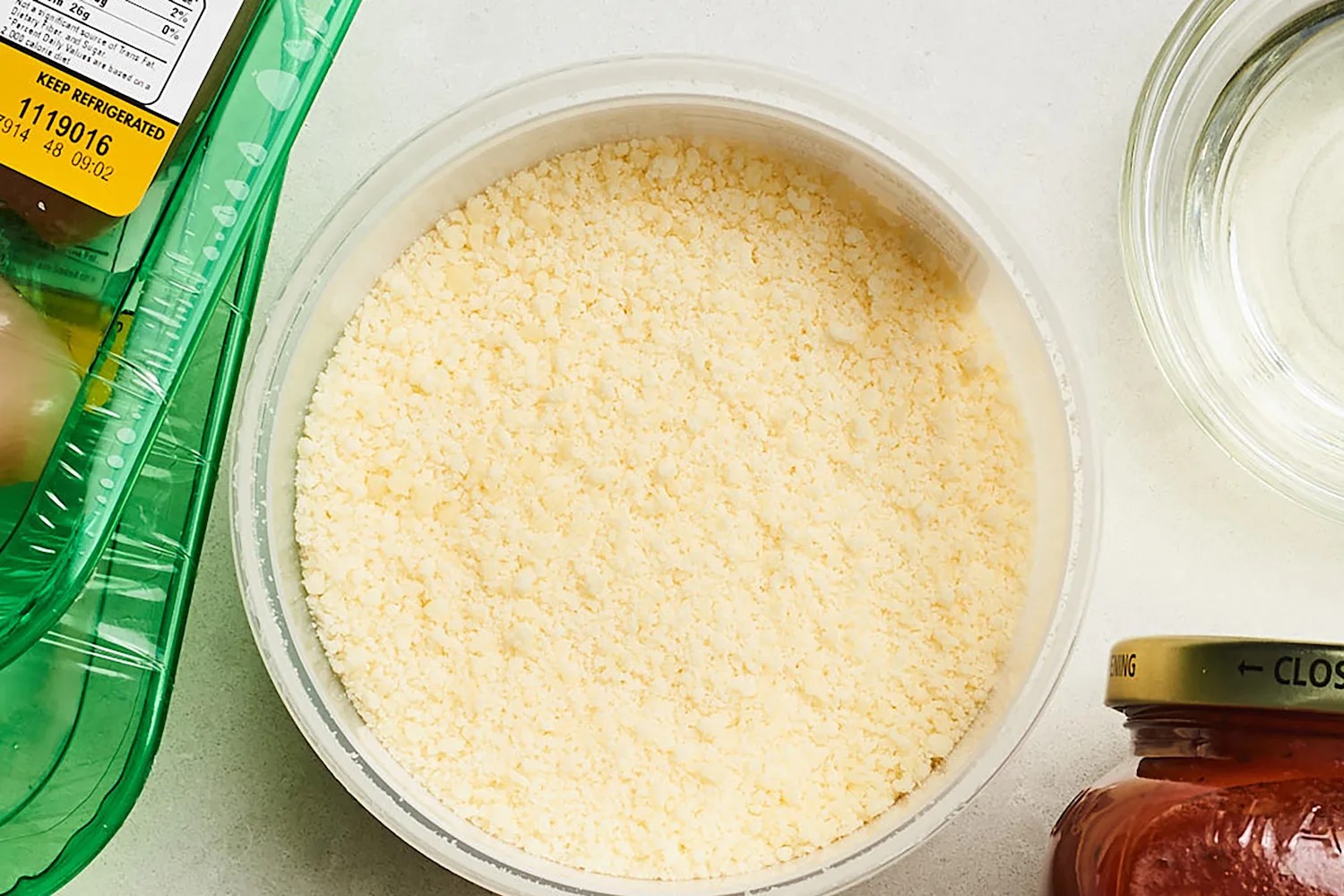
The biggest reason to ditch pre-grated Parmesan is a little-known ingredient: cellulose. This isn’t a nutritional additive – it’s wood pulp. Cellulose is added to prevent the cheese from clumping together, but it can make up as much as 20% of the product by weight.
This isn’t about safety; cellulose is food-grade. It’s about transparency and value. You’re paying for cheese, but getting a significant portion of filler instead. The cheap green canisters often contain the worst offenders, sometimes not even requiring refrigeration due to their low moisture content and high cellulose content.
Why This Matters Beyond Taste
The shift away from pre-grated Parmesan isn’t just about personal preference. It reflects a broader trend of consumers demanding transparency in food production. The lack of clear labeling on cellulose content is concerning. Why hide a major ingredient?
The fact that cheaper products rely so heavily on fillers raises questions about the industry’s priorities: cost-cutting over quality. This also highlights the importance of supporting producers who adhere to stricter standards, like those in the DOC regions of Italy.
The Superior Alternative: A Block of Parmigiano Reggiano
Investing in a block of genuine Parmigiano Reggiano solves these problems. It stays fresh for weeks, and even develops mold slowly enough to salvage most of the block. The rind itself is useful; toss it into soups or stews for extra flavor.
Freshly grated Parmigiano Reggiano tastes better, lasts longer, and is free of unnecessary additives. The cost is higher upfront, but the value is undeniable.
Ultimately, choosing quality over convenience means knowing what you’re paying for. If you love Parmesan, skip the pre-grated options and invest in the real thing. You won’t regret it.