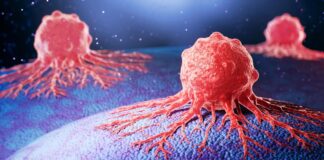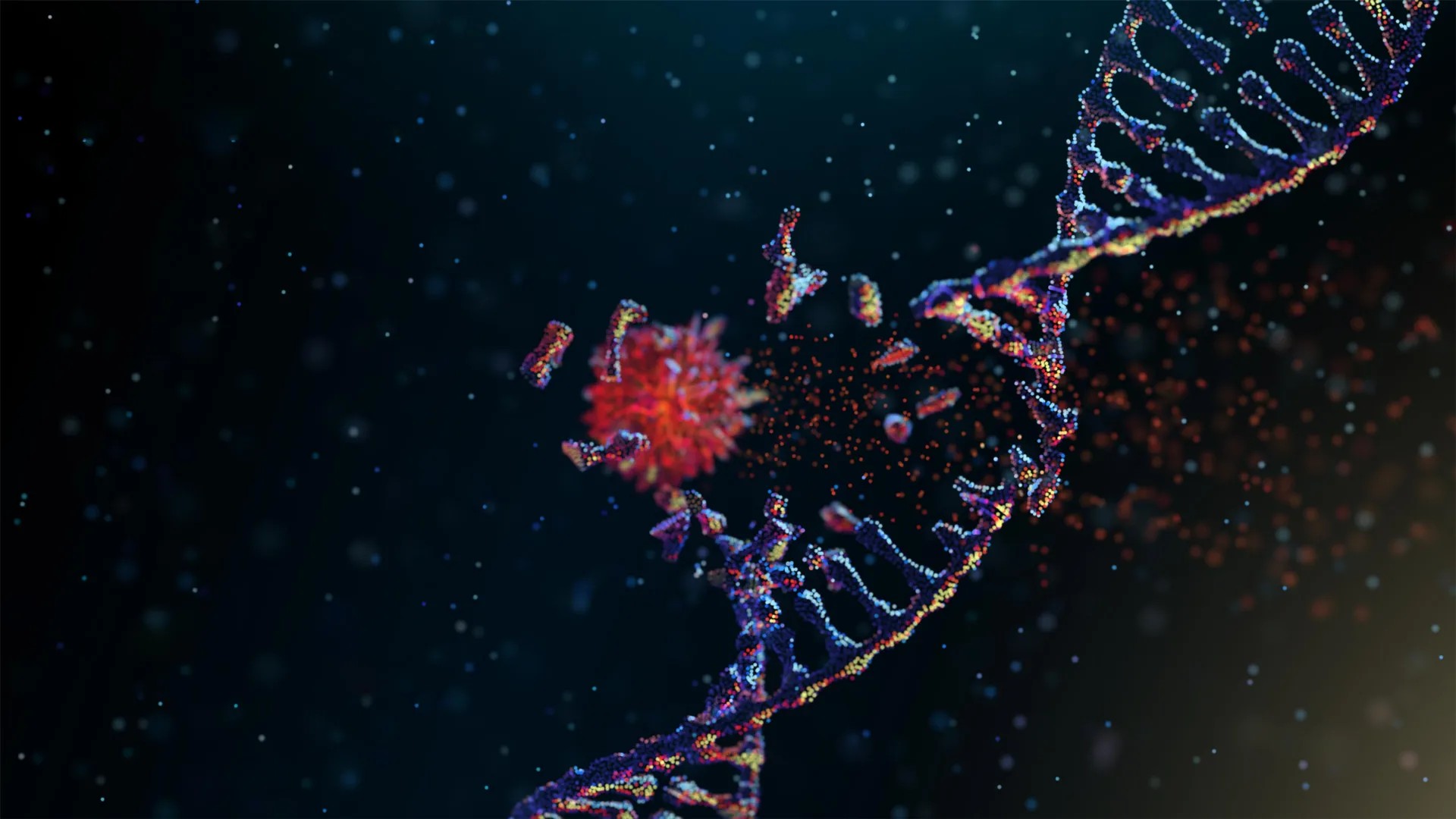
Researchers have developed a new computational tool, ALFA-K, that can forecast how cancer cells evolve through gains and losses of entire chromosomes. This breakthrough addresses a critical gap in cancer research: the unpredictable nature of tumor adaptation and resistance to treatment. By analyzing single-cell data over time, ALFA-K reveals which chromosome configurations favor cancer cell survival, offering the potential for evolution-aware therapies.
The Problem of Chromosomal Chaos
Cancer cells accumulate genetic errors during division, frequently gaining or losing entire chromosomes. This creates a diverse mix of cells within a tumor, each with a unique genetic makeup. Previously, scientists lacked a reliable method to determine which chromosome combinations drive cancer progression. The sheer number of possibilities made prediction nearly impossible.
ALFA-K solves this problem by tracking thousands of cells over time, reconstructing how they shift between chromosome states, and identifying which states are evolutionarily advantageous. This is crucial because cancer evolution isn’t random; it follows measurable patterns influenced by chromosome makeup and external pressures like treatment.
How Chromosome Changes Drive Tumor Behavior
Chromosomes house hundreds or thousands of genes. When a cancer cell gains or loses a chromosome, it alters the dosage of many genes simultaneously, instantly affecting growth, division, and stress response. These changes allow tumors to make rapid evolutionary leaps instead of gradual adaptations.
Importantly, the effect of a chromosome change depends on the cell’s starting point. The same alteration can be helpful in one genetic context and harmful in another. This explains why cancer evolution has been so difficult to predict – until now.
ALFA-K: A New Approach to Mapping Fitness
Previous tools treated chromosome changes as universally beneficial or harmful. ALFA-K takes a more nuanced approach, reconstructing “fitness landscapes” that describe how advantageous or harmful a chromosome change is given a cell’s existing configuration.
The tool also quantifies the impact of chromosome instability. Chemotherapy, for example, often increases errors during cell division, pushing tumors more rapidly across these landscapes. Depending on the landscape’s shape, this can lead to more resilient chromosome configurations.
In a single study, ALFA-K analyzed over 270,000 distinct chromosome configurations, unlocking insights previously inaccessible.
Whole-Genome Doubling: A Protective Mechanism
The research also clarifies the role of whole-genome doubling – when a cell copies all its chromosomes. Previous studies suggested this protected cancer cells, but the extent of that protection remained unclear. ALFA-K now quantifies that buffering effect, identifying a threshold at which genome doubling becomes advantageous.
This is a key finding because the level of protection isn’t absolute; there’s a point at which doubling provides a survival benefit.
The Future of Evolution-Aware Cancer Treatment
ALFA-K shifts cancer research from observation to prediction. By understanding how tumors evolve, doctors could interpret repeat biopsies more effectively, anticipate dangerous transitions, and select treatments that prevent harmful chromosome configurations.
The long-term goal is “evolution-aware therapy” – anticipating how tumors will change before resistance emerges, rather than reacting afterward. This research marks a significant step toward personalized cancer treatment based on predictive models of tumor evolution.
The study was funded by the National Cancer Institute and demonstrates the potential for applying computational biology to solve fundamental challenges in cancer research.