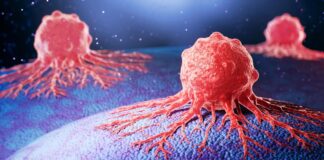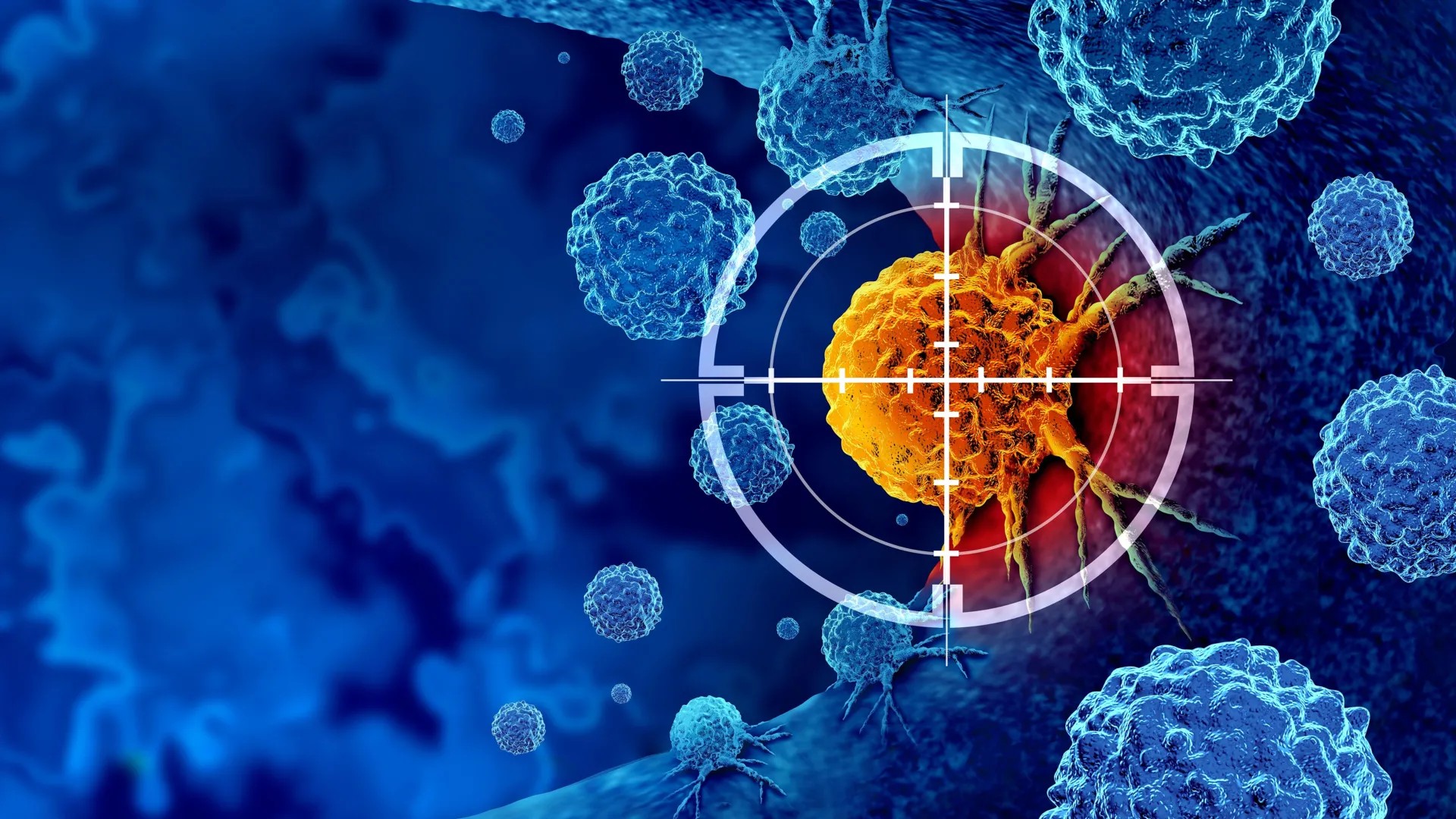
Researchers at the Korea Advanced Institute of Science and Technology (KAIST) have developed a novel cancer therapy that transforms immune cells already present inside tumors into powerful cancer killers. This breakthrough bypasses the limitations of current immunotherapy by directly reprogramming the body’s own macrophages, eliminating the need for costly and time-consuming cell extraction and modification.
The Challenge of Solid Tumors
Solid tumors, like those found in lung, liver, and stomach cancers, are notoriously difficult to treat. Their dense structure prevents immune cells from effectively penetrating and attacking cancer cells. While many immunotherapies show promise against blood cancers, their effectiveness against solid tumors has been limited.
Macrophages – immune cells that engulf and destroy foreign substances – have emerged as a potential solution. Unlike some other immune cells, macrophages can directly consume cancer cells and also activate nearby immune responses. The problem? Current CAR-macrophage therapies require extracting a patient’s own immune cells, genetically modifying them in a lab, then reintroducing them. This is expensive, slow, and impractical for widespread use.
A New Approach: In-Situ Reprogramming
The KAIST team bypassed these hurdles by developing a method to reprogram tumor-associated macrophages directly within the body . Their solution centers on lipid nanoparticles – tiny vessels that macrophages readily absorb. These nanoparticles contain mRNA encoding cancer-recognition information, effectively turning macrophages into cancer-targeting “CAR-macrophages,” alongside an immune-boosting compound that amplifies their activity.
Once injected into a tumor, macrophages engulf the therapeutic agent and begin producing cancer-recognizing proteins while simultaneously activating immune signaling pathways. This creates “enhanced CAR-macrophages” with heightened cancer-killing capabilities and the ability to rally surrounding immune cells for a stronger attack.
Animal Study Results
In animal models of melanoma, one of the deadliest forms of skin cancer, tumor growth was significantly reduced. Crucially, the immune response extended beyond the injected tumor, indicating the potential for broader, systemic protection.
According to Professor Ji-Ho Park, the lead researcher, this study introduces a new paradigm for immune cell therapy. He emphasizes that it overcomes key limitations of existing CAR-macrophage therapies: delivery efficiency and the immunosuppressive tumor microenvironment.
The study was published in ACS Nano and supported by the National Research Foundation of Korea. The research provides a promising step toward more effective, accessible cancer treatments.
This approach represents a shift from costly lab-based modifications to in-body reprogramming, potentially revolutionizing immunotherapy for solid tumors. The ability to harness existing tumor-associated macrophages could drastically lower treatment costs and improve accessibility for patients worldwide.