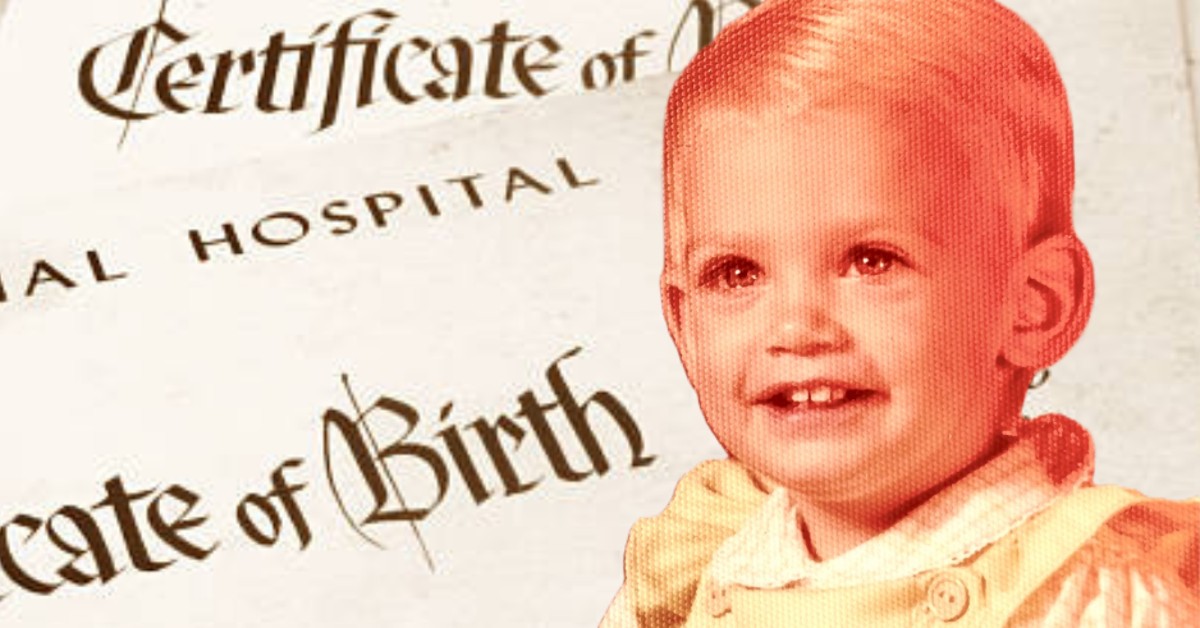
For decades, my original birth certificate remained locked away, a forbidden record of an identity deliberately withheld. Born in 1977, my origins were obscured, forcing me to grow up in the shadow of a story I was never permitted to claim. This wasn’t just bureaucratic oversight; it was a deliberate consequence of the “baby scoop era” from the 1940s to the 1970s, when young mothers were pressured into surrendering newborns, often under the guise of shame and religious morality.
The psychological toll of these forced separations was ignored for generations, leaving countless children with what’s now understood as pre-verbal trauma — a wound ingrained before the capacity to articulate it. This manifests as persistent attachment issues, a deep-seated fear of abandonment, and a distorted self-worth. Despite a stable adoptive upbringing, I experienced chronic anxiety, depression, and an unshakeable emptiness. The absence of early bonding left an invisible vulnerability that shaped my entire life.
Adoption, while providing stability, also planted the seed of inevitable loss. The sudden death of my adoptive mother during adolescence reinforced this fear. Later, years spent in an abusive marriage merely confirmed it: abandonment wasn’t a singular event, but a slow erosion of safety and affection. This led to substance abuse as a desperate attempt to numb the constant expectation of being left behind.
It took decades of self-destructive patterns before sobriety and therapy revealed the truth: my early trauma had taken root. When my father died, it triggered a wave of grief not just for him, but for the biological mother I never knew. The pattern of loss continued, each instance reinforcing the belief that abandonment was inevitable.
A recent change in Minnesota adoption laws finally granted me access to my original birth records. The sealed document revealed a stark truth: my mother’s name, her physical description, and a blank line where my own identity should have been. I was not even acknowledged as “baby girl”—a void where my beginning should have been.
Further research uncovered fragments of her life: a woman who lived on the fringes, working odd jobs while pursuing energy work and spirituality. She was an empath, distrustful of conventional society, and lived under an alias until her death in 2020, with no obituary or memorial to mark her existence. Her life mirrored my own instability, suggesting a shared genetic predisposition to borderline personality disorder, intensified by trauma.
This revelation was not just historical; it was profoundly personal. I now recognize the genetic and environmental factors that shaped my mental health struggles. Had my origins been known earlier, early intervention might have mitigated years of suffering. But even now, uncovering her story has given me something invaluable: a sense of belonging to a lineage, even if fractured and incomplete.
Today, I stand in the truth of who I am, finally acknowledging the quiet part of her that has always been within me. With the support of my husband and a growing family, I am rebuilding a foundation that should have been laid from the beginning. The past cannot be undone, but its secrets no longer hold power over my future.
This experience underscores the lasting consequences of forced adoption and the importance of acknowledging the trauma it inflicts. Only by confronting these buried histories can we begin to heal the wounds of generations past.