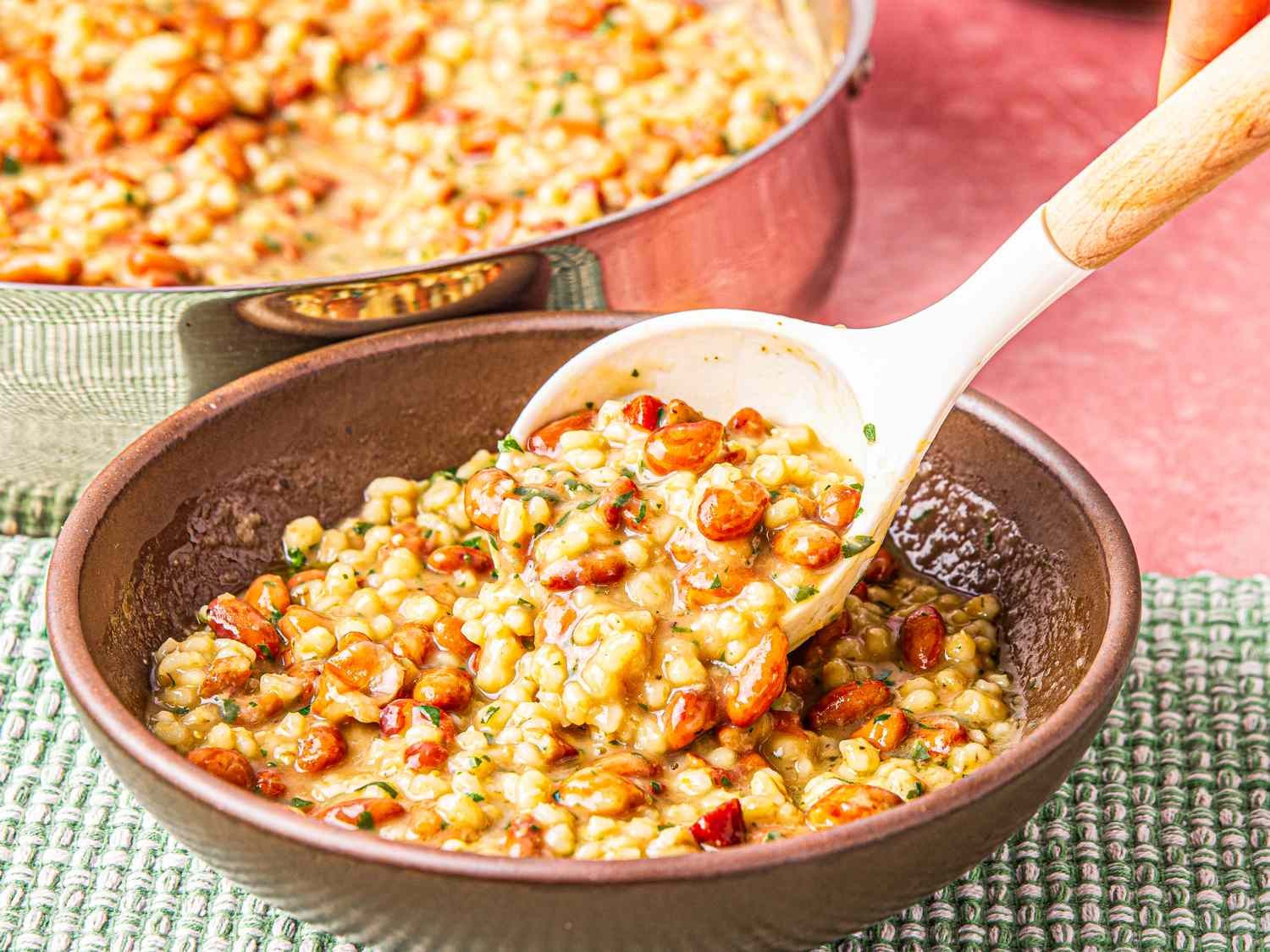
This hearty soup, hailing from the Friuli–Venezia Giulia region of Italy, isn’t simply a soup—it’s a stewp, a category of rustic comfort food perfected by Northern Italian cuisine. Thick enough to stand a spoon in, yet never heavy, it embodies the essence of slow-simmered beans and grains. The recipe prioritizes patience and technique, treating simple ingredients with care for a deeply satisfying result.
The Roots of Friulian Comfort
Friuli, a mountainous region of northeastern Italy, has long relied on barley (orzo in Italian, distinct from the pasta shape) as a staple crop due to its cooler climate. Traditionally considered peasant food, this bean and barley soup has evolved into a regional specialty. The dish exists in two common names, zuppa di orzo e fagioli and minestra di orzo e fagioli, with zuppa denoting a thicker, more rustic version, and minestra suggesting a slightly looser consistency. However, regional and household variations mean the names are often interchangeable.
The core principle is simple : create a warming, filling bowl from humble ingredients. The true distinction lies in technique—a well-made soup is surprisingly delicious, while a poorly executed one can be bland and uninspired.
The Importance of Dried Cranberry Beans
This recipe centers around dried cranberry beans (also known as borlotti). Their thin skins and subtle sweetness allow them to break down just enough during cooking to thicken the soup without becoming grainy. Unlike canned beans, which fall apart too quickly in long-simmered soups, dried beans provide control over texture and timing.
Starting with high-quality, recently harvested beans is vital. Old or poorly stored beans may refuse to soften, ruining the balance of the soup. The goal is creamy, tender beans with skins that remain intact long enough to thicken the broth.
Brining for Optimal Texture
To ensure even cooking, the beans should be brined, not just with salt, but also with a small amount of baking soda. This alters the pH of the soaking water, breaking down pectin—the structural carbohydrate that makes beans tough. Baking soda encourages better hydration and uniform cooking, leading to creamy interiors and tender skins.
Caution: Use baking soda sparingly and rinse the beans thoroughly after soaking to avoid soapy or bitter flavors. The result is dramatically improved texture.
Choosing the Right Barley
Pearl barley, with its outer bran removed, is the only grain that will work correctly in this recipe. Its processing allows it to cook evenly and release starch gradually, thickening the soup without becoming gluey. Hulled, quick-cooking, or pre-steamed barley will not behave the same way.
Substituting other grains—farro, wheat berries, rice—will disrupt the liquid ratio and timing, resulting in a watery or overly dense soup. Barley adds a distinct nuttiness and sweetness that complements olive oil, bay leaves, and beans.
Serving and Enjoying
Traditionally, this soup is served very thick, almost like porridge. Adjust with hot water if it becomes too dense. Finish with fresh parsley, a drizzle of olive oil, and a splash of red wine vinegar before serving. This soup is best enjoyed hot, and reheats beautifully the next day.
This is humble food, yes, but it will keep you warm, well-fed, and content through the coldest days of winter.