


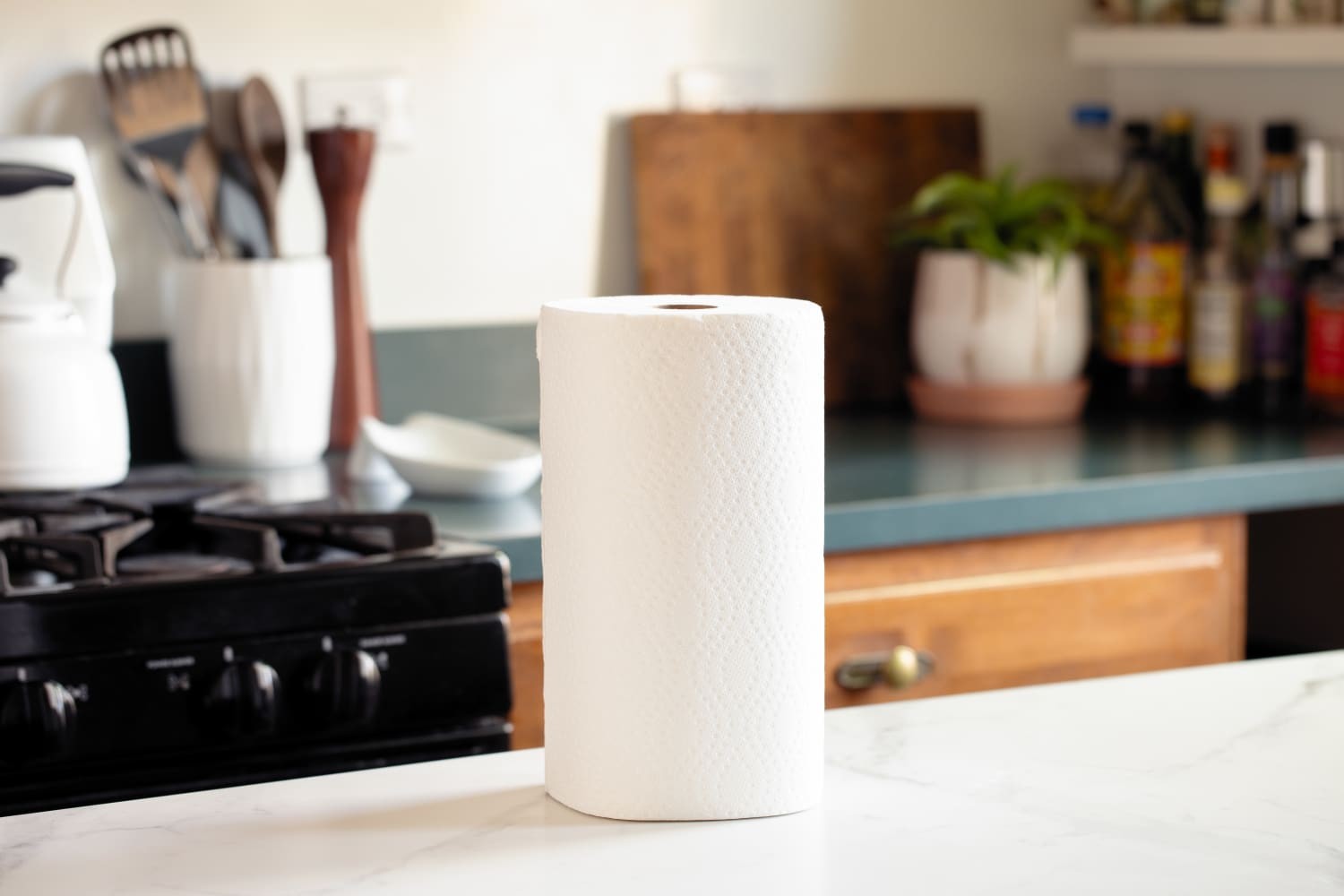
For years, most Americans rely on paper towels for every spill, wipe, and kitchen mess. But what if there was a better, cheaper, and more sustainable alternative? One that costs pennies instead of dollars? My own experience suggests there is: the Swedish dishcloth.
From Grocery Store Overload to Kitchen Simplicity
Growing up in Europe, I didn’t think twice about using reusable cloths for cleaning. Then I moved to the United States, where the sheer variety of paper towel products is overwhelming. It felt normal to buy rolls of them, until my Swedish family visited and pointed out how wasteful it was. Their solution? A simple, square cloth that’s been a staple in Swedish homes for generations.
What Is a Swedish Dishcloth?
Swedish dishcloths aren’t like typical rags. They’re made from a blend of cotton and cellulose (wood fiber), giving them a unique texture. Dry, they’re thin and flexible; wet, they become spongy and highly absorbent. The material can squeeze into tight spaces, making them ideal for cleaning glasses or tight corners.
How They Work (and Why They’re Better)
These cloths tackle the same messes as paper towels: spills, crumbs, counter wipe-downs. The key difference? Reusability. Instead of tossing them in the trash, you wash them. Dishcloths can be thrown in the washing machine, dishwasher, or even boiled for extra disinfecting. With proper care, they last months, even up to a year.
Performance and Sustainability
The Swedish dishcloth’s absorbency is impressive. They can hold up to 15 times their weight in liquid, outperforming paper towels in tests. Beyond performance, they’re eco-friendly. When they eventually wear out, they’re biodegradable and compostable. Unlike sponges, they dry quickly, eliminating odors.
The Bottom Line: Savings and Convenience
The long-term cost savings are significant. Brands claim one cloth replaces 15 rolls of paper towels. At roughly 98 cents per cloth, versus the cost of paper towel rolls, the economics are clear. For me, they’ve become the default cleaning tool for counters, dishes, spills, and general kitchen cleanup. A quick rinse and air dry keeps them fresh, and machine washing is effortless.
Paper towels are no longer the default in my house. And honestly? I don’t miss them one bit.
Switching to Swedish dishcloths isn’t just about saving money; it’s about a more sustainable and practical cleaning routine. It’s a small change with big impact.


