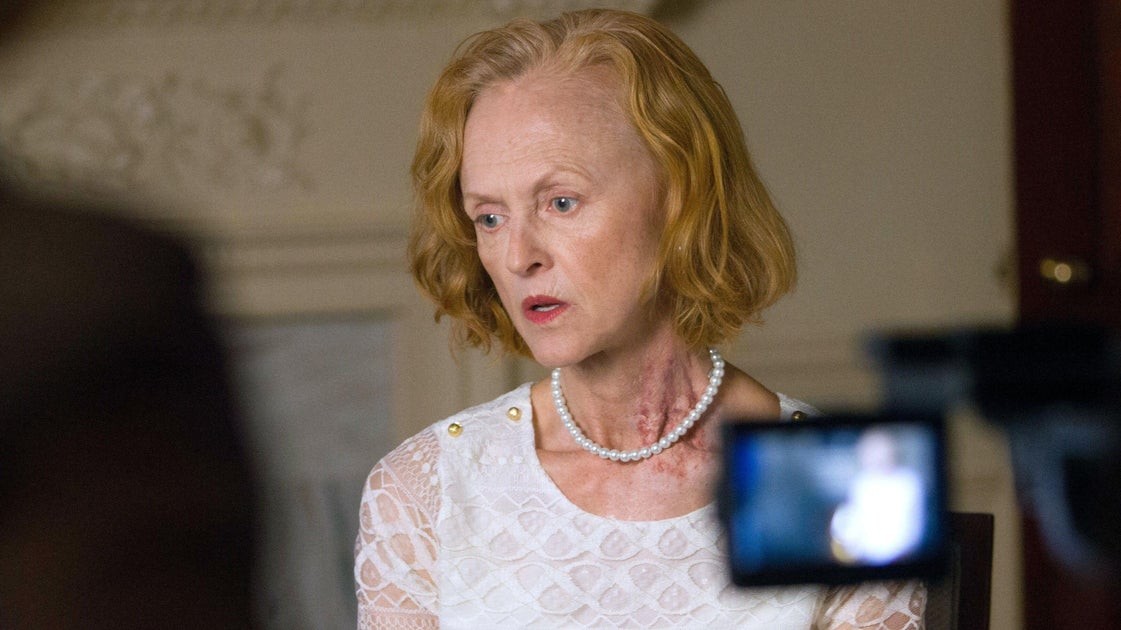
Hollywood’s depiction of dementia is often inaccurate, harmful, and perpetuates dangerous stereotypes. From demonic grandmothers in horror films to overly simplified declines in dramas, the entertainment industry frequently gets the realities of cognitive decline drastically wrong. This misrepresentation isn’t just a creative flaw; it shapes public understanding, influences family perceptions, and delays crucial medical intervention.
The Problem with Dramatic License
One common trope is the rapid, exaggerated deterioration seen in movies like “The Taking of Deborah Logan,” where Alzheimer’s is portrayed as a fast track to violent, erratic behavior. Even well-intentioned films like “The Notebook” fall short by skipping the slow, gradual progression of the disease, giving viewers the false impression that dementia strikes suddenly rather than unfolding over years.
Neuropsychologist Tom Kiely points out that these depictions often reduce individuals with dementia to one-dimensional caricatures: weak, fragile, childlike, and emotionally vacant. The reality is far more complex.
The Dangerous Link Between Dementia and Evil
The association of dementia with violence extends beyond horror. Even mainstream shows like ABC’s “The Rookie” have featured characters with dementia who turn out to be serial killers, reinforcing the idea that the condition equates to immediate danger. This conflation, as described by Professor Lee-Fay Low, creates “vulnerable monsters” in the public imagination.
This is especially dangerous because families may turn to media for understanding and instead receive a distorted, fear-based narrative.
The Real Progression of Dementia
Alzheimer’s disease, affecting around 7 million Americans, doesn’t just erase memory overnight. It progresses in stages: an initial “stealth” phase where few cells are affected, followed by cognitive decline that can take decades to fully manifest.
The reality is that memory loss isn’t always the first or most prominent symptom. Personality changes, emotional volatility, and language difficulties are often overlooked in favor of dramatic memory lapses. The disease isn’t just about forgetting names; it’s about losing inhibitions, experiencing confusion, and undergoing profound behavioral shifts.
How Hollywood Can Do Better
Some films offer more nuanced portrayals. “Still Alice,” starring Julianne Moore, accurately depicts the early stages of Alzheimer’s, showing the devastating loss of identity and the struggle to adapt. “The Father,” with Anthony Hopkins, puts the audience inside the confusion of cognitive decline, offering a visceral, accurate experience.
The key is to move away from dementia as a plot device and toward a realistic representation of lived experience. Show moments of competence alongside impairment, highlight strategies for independence, and explore the struggles of families adapting to the disease.
Documentaries, like Chris Hemsworth’s “A Road Trip to Remember,” are also effective. By following real experiences and treatments like reminiscence therapy, they offer a more genuine view of dementia.
Ultimately, Hollywood must recognize that accurate representation isn’t just about sensitivity—it’s about dismantling harmful stigmas and promoting informed understanding. The industry has a responsibility to depict dementia with the complexity and humanity it deserves.