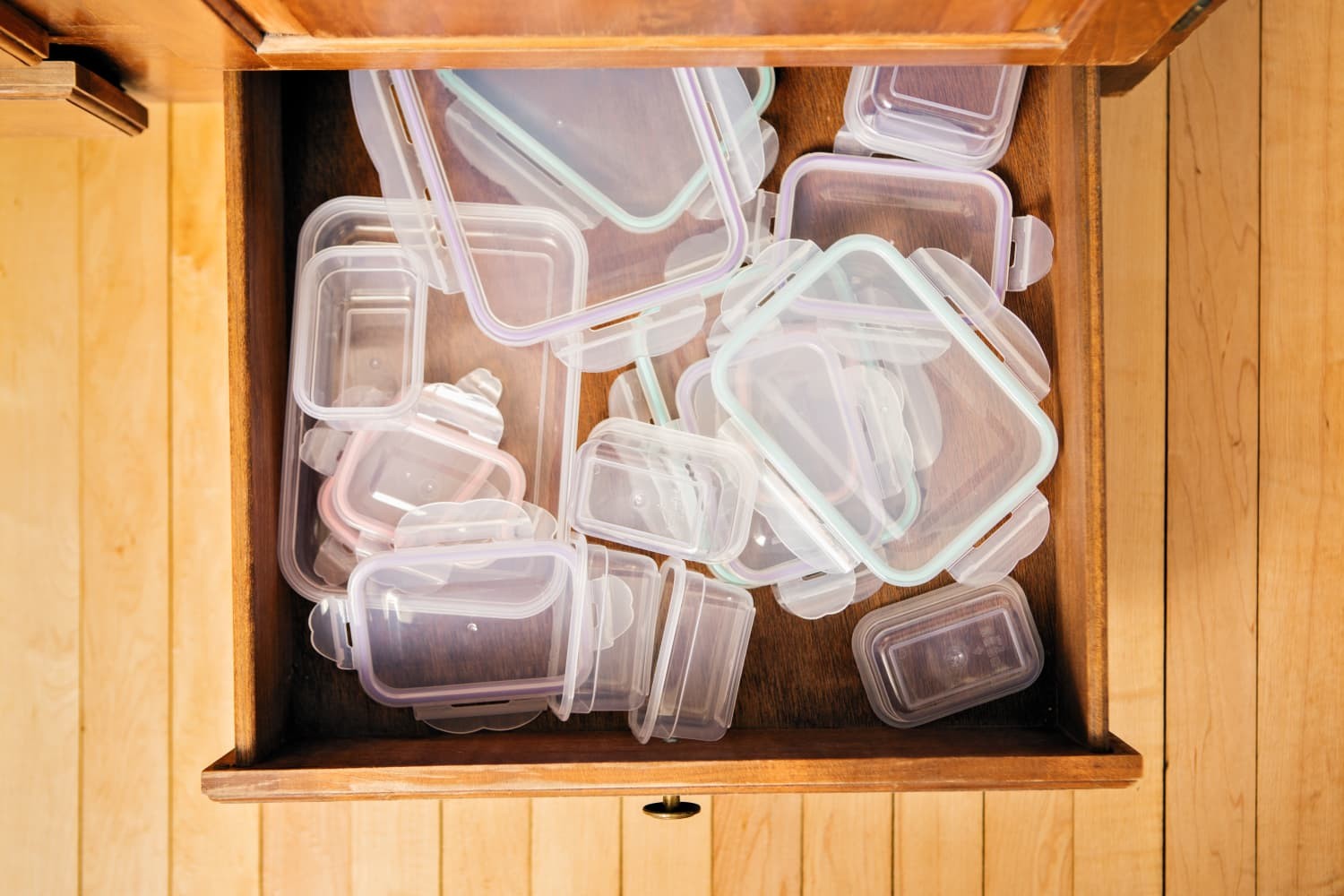
For decades, plastic food storage containers were the default choice for many households – convenient, affordable, and readily available. However, growing awareness of health and environmental concerns is driving a shift toward glass alternatives. One shopper details their experience switching to glass containers after years of relying on plastic, citing superior performance and safety.
Why Switch From Plastic?
The decision to transition from plastic isn’t merely about aesthetics; it’s rooted in tangible benefits. Plastic containers can leach microplastics into food, especially when heated, raising health concerns. Glass, being inert, eliminates this risk entirely. Beyond safety, glass containers are often more durable, resisting stains and odors better than their plastic counterparts.
The Glasslock Discovery
The shopper’s turning point came with the Glasslock brand, discovered during a Costco trip. These containers stood out for their tight seals, which preserve food freshness longer. Unlike plastic, glass is also dishwasher, oven, and microwave-safe, adding versatility to kitchen use. The set has proven durable over five years, retaining its quality despite regular use.
Scaling Up With Snapware
For larger leftovers or bulk cooking, the shopper recommends Snapware glass containers. These sets accommodate bigger portions efficiently, streamlining meal prep and reheating. The stackable design further maximizes kitchen space, keeping containers organized when not in use.
The shift to glass is more than a trend; it’s a practical upgrade for health, durability, and convenience. These containers are available at major retailers like Amazon, Walmart, Target, and Bed Bath & Beyond, making the transition accessible for anyone seeking a safer and more sustainable food storage solution.