Quiche is a surprisingly adaptable dish, perfect for breakfast, brunch, lunch, or dinner. Its simplicity and customizable nature make it a go-to recipe for cooks of all levels. This guide covers everything you need to know about quiche, from its basic definition to storage and freezing tips.
What Exactly Is Quiche?
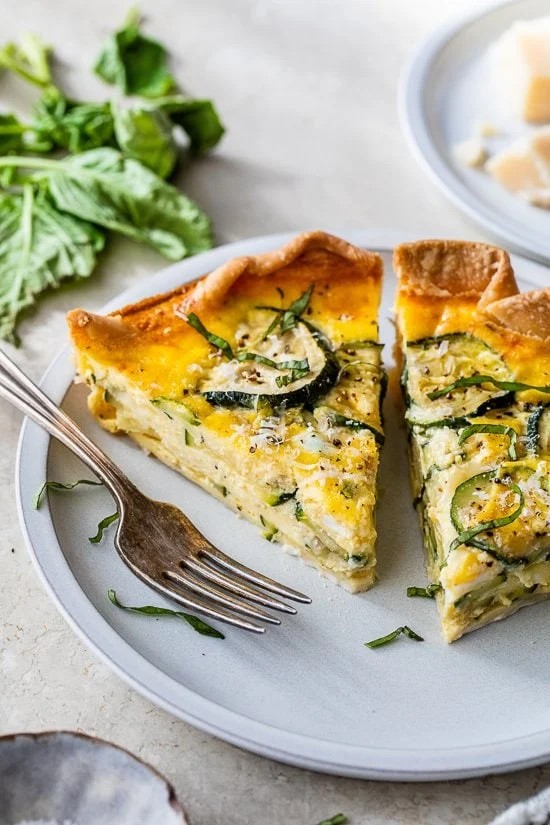
At its core, quiche is an egg-based custard baked in a pastry crust (though crustless variations are popular). The filling typically combines eggs, cream or milk, cheese, and various savory ingredients. Think of it as a savory egg pie—a blank canvas for flavor combinations. Its origins trace back to medieval France, evolving from rustic peasant dishes to the refined delicacy we know today.
Endless Filling Possibilities
The beauty of quiche lies in its flexibility. Almost anything you’d put in scrambled eggs works here: bacon, sausage, spinach, mushrooms, onions, peppers, herbs, and more. Don’t be afraid to experiment! Vegetarian options flourish, with zucchini, asparagus, or roasted vegetables making excellent additions. A splash of hot sauce or different spices can also elevate the flavor.
When Should You Serve Quiche?
The question of when to eat quiche is almost rhetorical: anytime. Its richness makes it satisfying for breakfast or brunch, while its savory depth suits dinner equally well. The choice is yours. Non-traditional quiches, like those featuring seasonal vegetables, are particularly welcome at gatherings.
Quick Quiche Recipes
While the exact recipes vary, the process is consistent. Most recipes take around 45-60 minutes from start to finish. Feel free to adapt existing recipes to suit your tastes.
Storing and Freezing Quiche
Proper storage ensures leftovers stay fresh for 3-4 days in the refrigerator. For longer preservation, freezing is an excellent option. Bake the quiche as usual, let it cool completely, then wrap tightly in plastic wrap and foil. It will last up to three months in the freezer. Thaw overnight in the fridge and reheat in the oven for best results.
Quiche is more than just a recipe; it’s a testament to culinary versatility. Whether you’re a seasoned chef or a kitchen novice, its forgiving nature makes it accessible to all.