


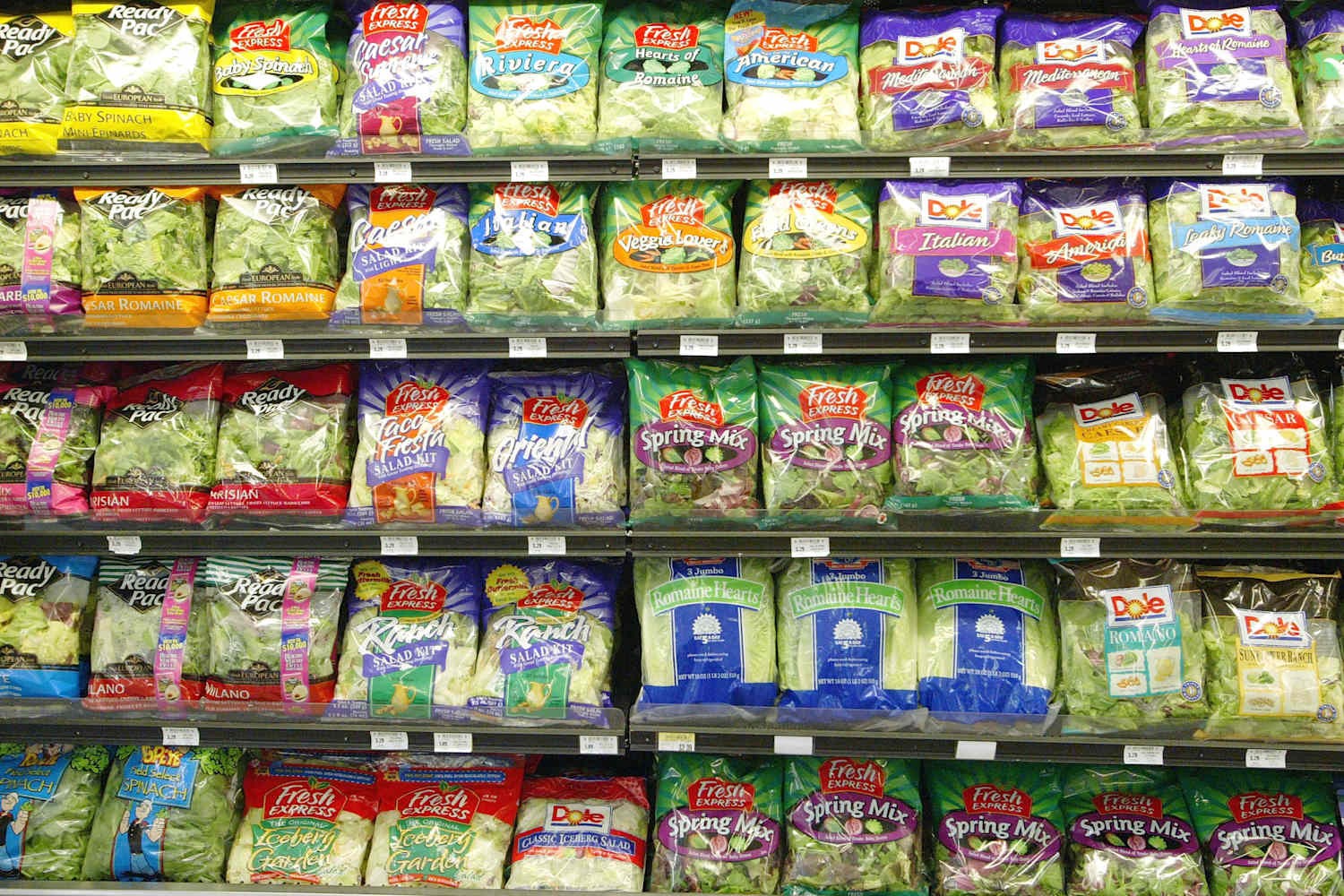
Bagged salad kits have become a staple for many seeking quick, affordable meal options. Their ease of use and variety have made them a popular choice, especially for busy individuals. However, a growing concern over foodborne illnesses linked to pre-packaged greens is prompting some consumers to reconsider their convenience.
The Rise of Bagged Salads and the Hidden Risks
The popularity of bagged salads surged as modern lifestyles demanded faster food solutions. Trader Joe’s, among other retailers, offers a wide array of pre-mixed greens with dressings and toppings, appealing to those seeking variety without extensive prep time. However, this convenience comes with a trade-off: a slightly elevated risk of bacterial contamination compared to whole heads of lettuce or loose-leaf greens.
The Numbers and Expert Advice
While millions of servings of bagged salads are consumed safely daily, outbreaks of foodborne illness traced to pre-packaged greens have been frequent enough to raise alarm. According to food safety experts, the risk, though relatively low overall, remains higher than with traditionally prepared greens. Dr. Urvi Shah, a senior scientist at The Mennel Milling Company, suggests a simple workaround: blanching the greens. A quick dip in boiling water kills heat-sensitive bacteria without significant nutrient loss.
Making the Switch: Alternatives and Precautions
For those concerned about contamination, switching to whole heads of lettuce, loose spinach, or kale is the most effective solution. This allows for thorough washing and preparation at home, minimizing exposure to potential pathogens. Alternatively, consumers can continue using bagged greens while implementing the blanching method recommended by food safety professionals.
A Shift in Consumption Habits
The awareness of increased risk has prompted some consumers to re-evaluate their reliance on bagged salads. The choice between convenience and safety is now more apparent, leading individuals to explore alternatives like preparing greens from scratch or adopting blanching practices to mitigate the dangers.
Ultimately, the decision rests on individual risk tolerance and willingness to invest additional time in food preparation. However, the growing evidence suggests that prioritizing food safety may require a shift away from ultra-convenient, pre-packaged options.


