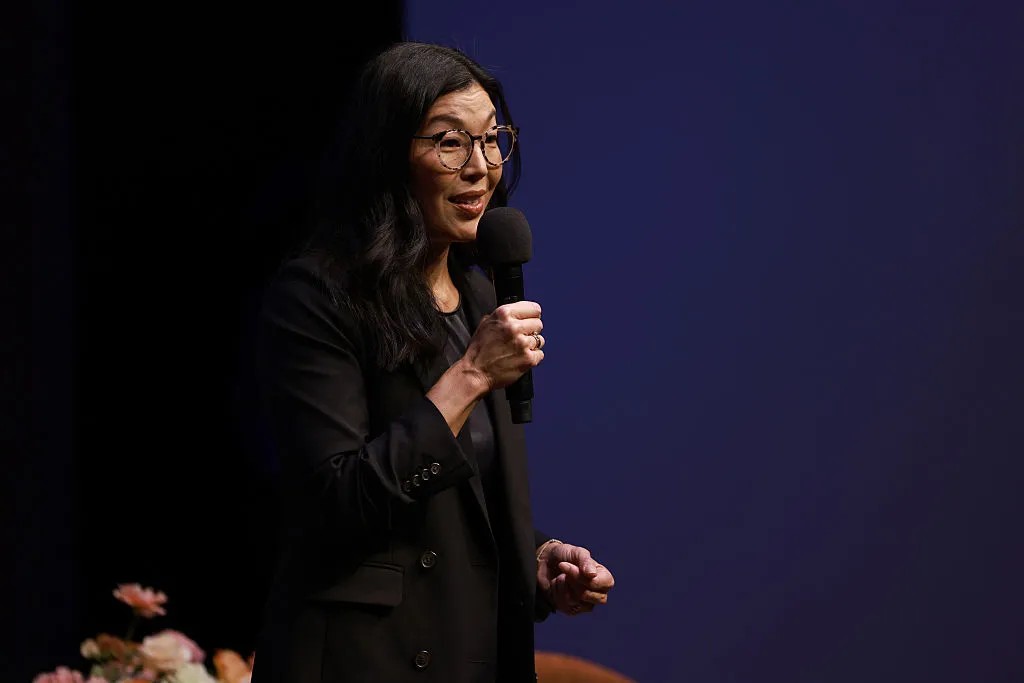
The fight for economic independence often begins with recognizing the most basic injustices. For Ai-jen Poo, president of the National Domestic Workers Alliance, that realization came through late-night calls at the New York Asian Women’s Shelter. Immigrant women fleeing abuse were not just seeking safety, but a way to survive financially in a system stacked against them.
The Core Problem: Systemic Exploitation
Poo discovered that many women were trapped in low-wage jobs with no security: garment factories, restaurants, nail salons, and domestic work. These jobs offered neither living wages nor benefits, forcing workers to choose between survival and basic human dignity. The irony was stark: these women, often working tirelessly, couldn’t afford housing, healthcare, or even childcare. This is not simply a labor issue; it’s a matter of systemic economic inequality.
The situation was particularly outrageous when compared to Hong Kong, where domestic workers had union protections and standardized contracts. In the U.S., the sector was essentially lawless, leaving millions vulnerable to exploitation.
From Outrage to Action: The Women Workers Project
Poo and her colleagues founded the Women Workers Project to address this. They organized outreach to nail salons, restaurants, and domestic workers, listening to their experiences and building a coalition. The key turning point was bringing 250 domestic workers together for the “Having Your Say” convention. The goal was simple: let them tell their stories in their own words.
The Legislative Breakthrough: New York’s Bill of Rights
The convention’s momentum led to collaboration with law students from NYU’s Immigrant Rights Law Clinic. Together, they drafted a bill and secured a state legislator willing to sponsor it. In 2010, New York became the first state in the nation to pass a Domestic Workers Bill of Rights. This victory was not just about wages or benefits; it was about acknowledging the dignity of essential labor.
This achievement underscored a broader trend: financial empowerment is central to women’s independence. For many, it’s not just about earning a living, but about dismantling structures that keep them trapped in cycles of poverty and vulnerability. The fight continues, but the landmark legislation in New York proves that change is possible when workers are given a voice and systemic barriers are confronted head-on.