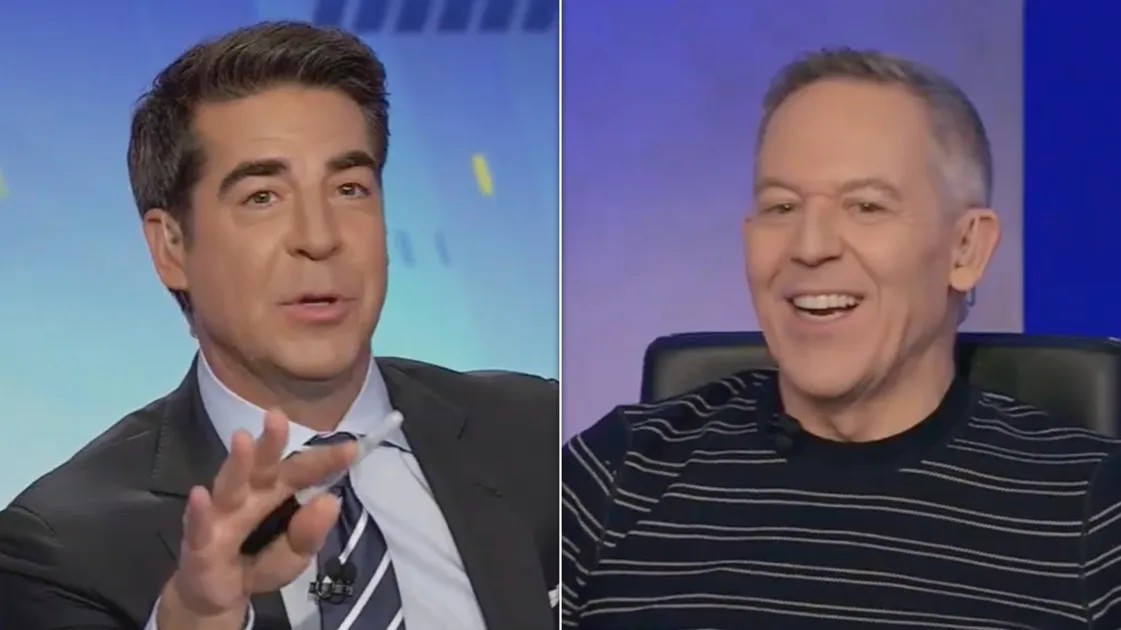
Fox News personality Jesse Watters made a series of inflammatory and sexist statements on Wednesday’s episode of “The Five,” prompting visible discomfort from his co-host Greg Gutfeld. Watters’ comments centered around his skepticism about the possibility of a female president, arguing that women lack the “emotional maturity” and “professional contacts” necessary for the role.
Derogatory Comments on Female Leadership
Watters made the initial statement following clips of Rep. Nancy Pelosi and Gov. Gavin Newsom. When asked to justify his statement that he “hopes there is not a female president in [his] lifetime”, Watters listed a series of misogynistic “reasons”, including questioning women’s ability to earn the “respect of generals” and possess a “sense of humor” suitable for presidential office.
Watters later claimed his remarks were insincere, delivering the statement with a smile. However, Gutfeld responded with clear frustration, accusing Watters of deliberately provoking outrage out of boredom.
Comparison of Newsom to a Woman
Watters then turned his attention to California Governor Gavin Newsom, claiming Newsom could be the first woman president “because when I hear him talk, he sounds like a woman.” He accused Newsom of “emotional instability,” suggesting the politician’s motivations for running are rooted in childhood trauma and a need for validation.
Watters previously compared Newsom to a woman earlier in the week, stating Newsom is “kind of like a woman trapped in a man’s body,” citing his emotional expression and frequent self-awareness as evidence.
Broader Context of Rhetoric
Watters’ comments follow a pattern of provocative, often divisive rhetoric on Fox News. The incident highlights the network’s tolerance for extreme viewpoints, even when they generate discomfort among its own personalities.
The remarks also underscore the ongoing debate surrounding gender dynamics in politics and media, with Watters’ statements serving as a stark example of outdated and harmful stereotypes.
The incident raises questions about the responsibility of media figures to avoid perpetuating prejudice and the role of networks in regulating such behavior.