


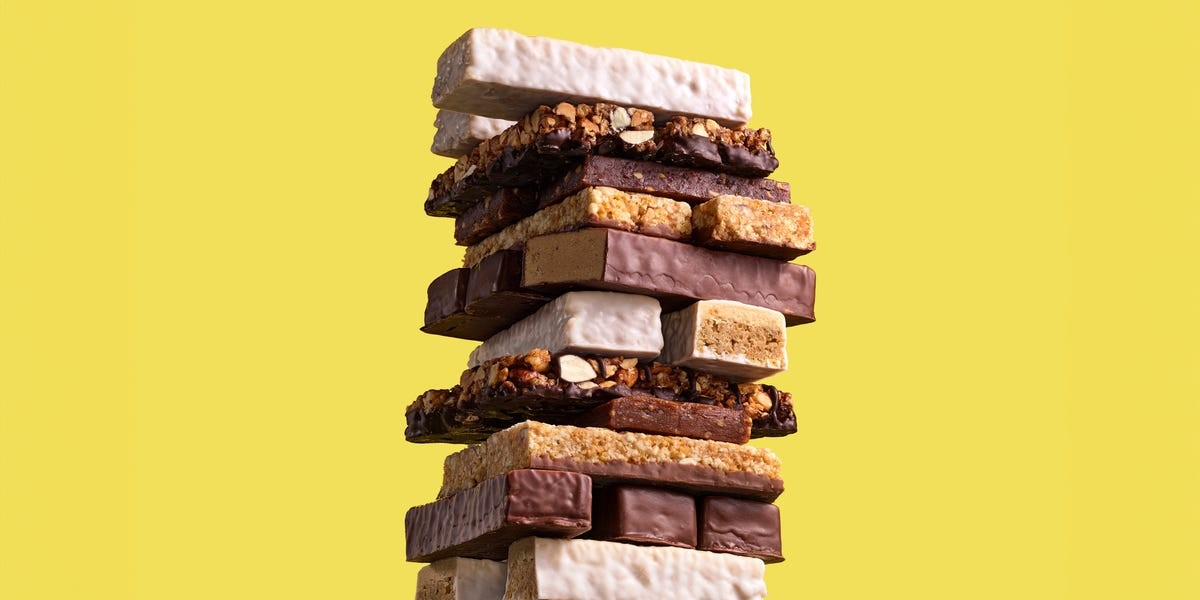
While many consumers turn to sugar substitutes to manage weight or control blood glucose, new scientific findings suggest that one popular sweetener—erythritol —may carry unexpected cardiovascular risks.
A recent study published in the Journal of Applied Physiology has identified specific cellular behaviors linked to erythritol that could potentially increase the likelihood of strokes and heart attacks.
Understanding Erythritol
Erythritol is a sugar alcohol frequently used in “sugar-free” products, including protein bars, sports drinks, and various low-carb snacks. It has gained massive popularity as a calorie-free alternative to traditional sugar and other sweeteners like aspartame or sucralose.
It is important to distinguish between natural and supplemental erythritol:
– Natural levels: The human body produces tiny amounts of erythritol as part of normal metabolism.
– Supplemental levels: Consuming erythritol through processed foods can introduce levels roughly 1,000 times higher than what occurs naturally in the body.
The Lab Findings: How Cells React
In this study, researchers exposed human cells—specifically those that line the blood vessels in the brain—to 30 grams of erythritol. This dose is intended to mimic the amount found in a typical artificially sweetened beverage.
The researchers observed several concerning changes in how these cells behaved:
* Reduced Nitric Oxide: The cells produced less nitric oxide, a vital molecule that helps blood vessels relax and widen to maintain healthy blood flow.
* Increased Endothelin-1: The cells showed higher levels of this protein, which causes blood vessels to narrow.
* Impaired Clot Response: The cells did not respond effectively to thrombin, a compound involved in blood clotting.
* Oxidative Stress: The cells produced more free radicals, which are linked to bodily inflammation.
“While erythritol is generally considered safe and does not raise blood glucose levels, our findings raise concerns about its potential cerebrovascular effects,” noted the lead study author from the University of Colorado, Boulder.
Important Context and Caveats
While these results are significant, medical experts urge caution in how they are interpreted. It is vital to understand the distinction between in vitro research and real-world human health.
1. The “Petri Dish” Factor
The study was conducted in vitro (in a laboratory setting using cells in a dish). As neurologist Dr. Clifford Segil points out, findings in a petri dish do not always translate to living organisms. Further studies involving animals or humans are required to confirm if these cellular reactions lead to actual clinical strokes.
2. Dosage Concerns
Nutrition experts, including Registered Dietitian Jessica Cording, noted that the 30-gram dose used in the study is on the higher end of what a person might consume. This raises the question of whether the risks are tied to moderate consumption or only to heavy, frequent use.
3. The Broader Trend of Artificial Sweeteners
Erythritol is not being studied in isolation. A larger 2025 study published in Neurology involving over 12,000 adults suggested that high consumption of various artificial sweeteners—including aspartame, saccharin, and xylitol—was linked to a significantly faster decline in cognitive and memory skills.
Expert Recommendations
At this stage, experts are not calling for a total ban on erythritol, but they are advising mindful consumption.
Because the exact mechanisms of how erythritol alters cell signaling remain unclear, the prevailing advice from cardiologists and nutritionists is to:
– Monitor labels: Be aware of how much erythritol is present in your “diet” or “low-carb” snacks.
– Limit intake: Avoid over-reliance on products that use high amounts of this sugar alcohol.
Conclusion: While more research is needed to determine if erythritol directly causes strokes in humans, current laboratory evidence suggests that high doses may negatively impact blood vessel function. For now, moderation remains the safest approach for those using sugar substitutes.


