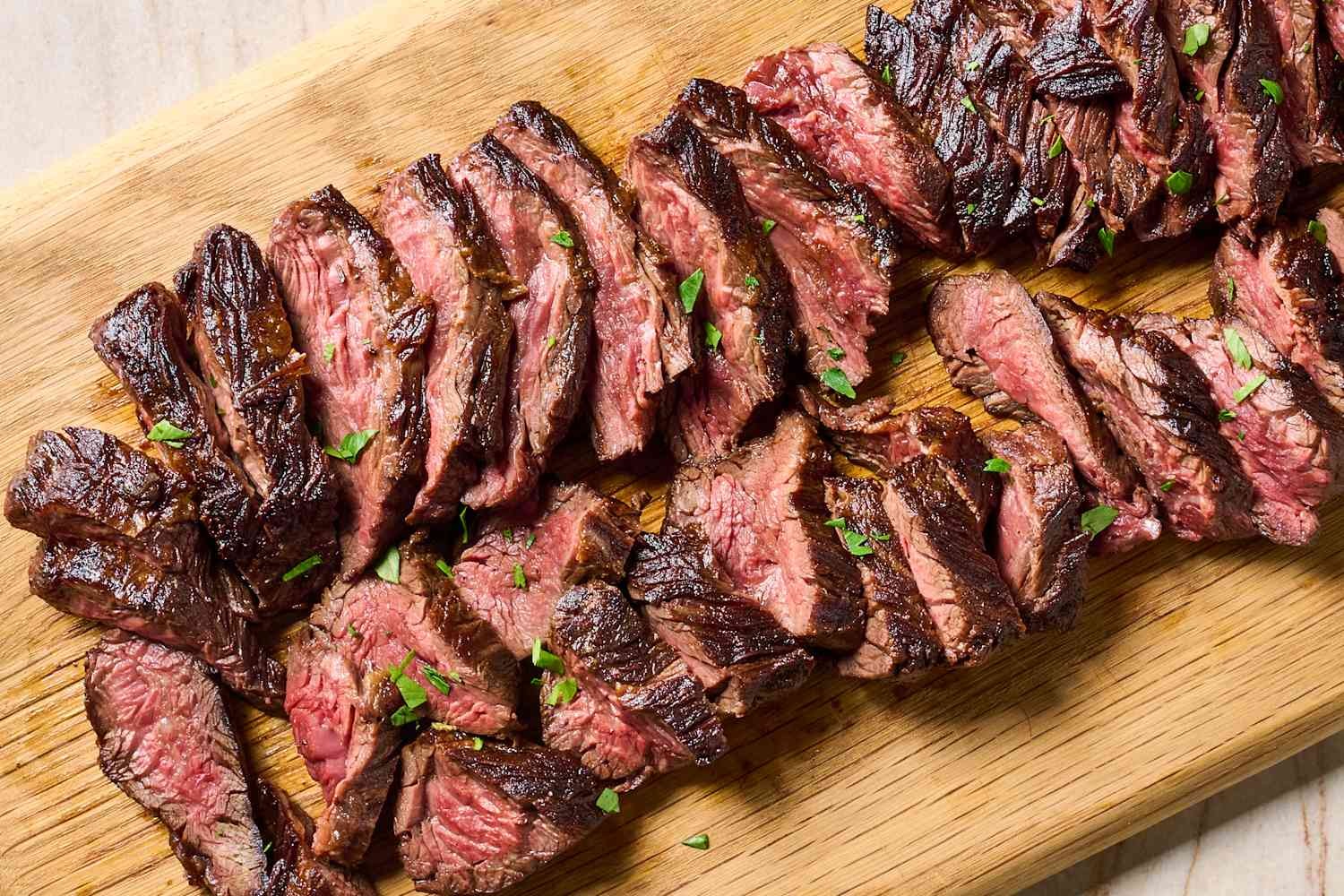
For many home cooks, the meat aisle at a standard grocery store is a predictable landscape of uniform chicken breasts, lean beef, and pale pork. However, professional chefs and culinary enthusiasts often look elsewhere to find the depth of flavor required for truly exceptional cooking.
Drawing on expertise from Savenor’s Butchery —a legendary establishment famously frequented by Julia Child—we can uncover how a few professional insights can transform your shopping habits, your budget, and your final dishes.
1. Decode the Labels for Superior Flavor
The secret to great cooking often begins before the heat even touches the pan. Understanding how meat is processed and graded can prevent common kitchen frustrations.
- Chicken: Air-Chilled vs. Wet-Chilled
If you have ever cooked a chicken breast only to find a pool of excess water in the pan, you likely purchased wet-chilled poultry. This method involves soaking meat in water during processing. For better texture and more intense flavor, look for air-chilled chicken. Because it isn’t soaked, it contains less water weight, meaning it sears better and retains its integrity. - Beef: The Importance of Grading
In the beef industry, fat equals flavor. When selecting beef, prioritize USDA Prime or Choice grades. These designations indicate higher intramuscular fat (marbling), which melts during cooking to create a juicy, flavorful result. - Pork: The Heritage Advantage
Standard “commodity” pork is often very pale. For a more robust flavor, seek out heritage breeds, such as Berkshire. These pigs produce meat with a darker, richer pink hue and a much more complex taste profile that justifies the slightly higher price point.
2. Master the Art of the Braise
High-end cuts like tenderloin are prized for their tenderness, but they are often the most expensive. To cook like a pro on a budget, look toward the “hardworking” cuts.
Parts of the animal such as shoulders and shanks are often much cheaper than loin cuts. While these require more time to cook, they are packed with connective tissue. When subjected to a slow braise, this tissue breaks down into collagen and gelatin, creating a rich, silky mouthfeel in your sauces—similar to the consistency of a high-quality ramen broth.
3. Reconsider the Freezer
There is a common misconception that frozen meat is inferior. While poor freezing methods can lead to unpleasant freezer burn, modern freezing technology has evolved significantly.
A skilled butcher can freeze meat with virtually no degradation in quality. Furthermore, the freezer section is often a treasure trove for specialized items that don’t require constant rotation in a fresh display case. This is frequently the best place to find:
– Game meats (such as elk or wild boar)
– Exotic options (like alligator)
– Offal (organ meats)
4. Utilize the Human Element: Ask the Expert
The most valuable resource in any meat shop—whether a local boutique or a large supermarket—is the butcher behind the counter.
Instead of scanning the labels yourself, engage the staff. A simple question like, “What would you take home for your own family?” can lead you to incredible, underutilized cuts. Professionals can guide you toward “hidden gems” that rarely make it to the mass-market grocery shelves, such as:
– Denver steak
– Bavette
– Chuck club
– Pork coppa steaks
The Bottom Line: Moving beyond grocery store staples requires a shift in focus from convenience to quality. By understanding processing methods, embracing slower cooking techniques, and leveraging the expertise of professional butchers, you can access much higher levels of flavor and variety.