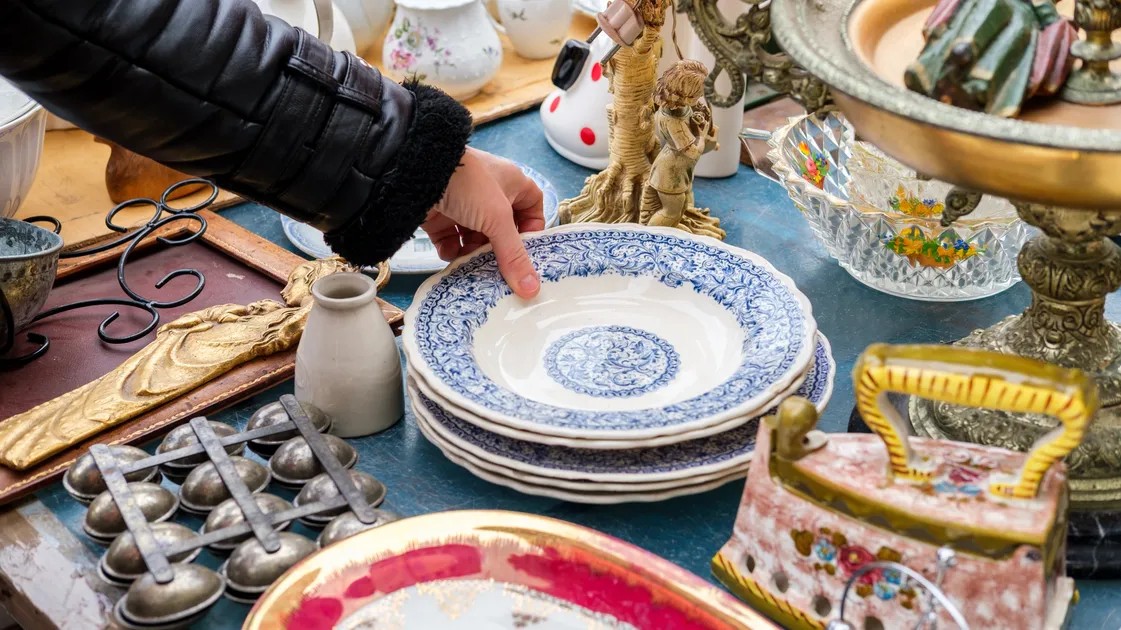
A recent viral social media video has sparked widespread concern regarding lead contamination in household goods. An Instagram creator, known as “The Lead Lady,” posted a video—viewed over 15 million times—testing various dishes from the retailer HomeGoods. The video appeared to show multiple items testing positive for lead using a handheld consumer device.
While the video has fueled public anxiety, medical experts urge a nuanced understanding of the facts. It is essential to distinguish between viral claims and scientific reality to avoid unnecessary panic while remaining vigilant about genuine health risks.
The Accuracy Gap: Social Media vs. Science
The primary concern regarding the viral video is the reliability of the testing method used. Experts note several critical caveats:
- Device Limitations: The handheld consumer device used in the video is not government-approved for official contamination testing.
- Lack of Precision: Unlike professional laboratory methods, these consumer tools are often less sensitive and specific. They may provide a “yes/no” indication but cannot quantify how much lead is present.
- Context Matters: A positive reading does not automatically mean an item is dangerous. For lead to pose a health risk, it must be able to leach into food or drink.
“There’s a lot more questions than just the ‘yes’ or ‘no’ that is shown in that video,” says Dr. Diane Calello, medical director of the New Jersey Poison Information and Education System.
Where Does Lead Hide in the Home?
While U.S. consumer goods are strictly regulated and generally should not contain lead, contamination can still occur through specific channels. Understanding these sources is key to prevention:
1. Imported and Handmade Goods
The highest risk often comes from traditional or handmade ceramics and metal dishware imported from certain regions, including Mexico, Ecuador, Turkey, Morocco, Uzbekistan, and India. In these items, lead may be present in the paint or the glaze.
2. Antiques
Vintage items may bypass modern manufacturing standards, making them potential sources of exposure if they were produced before contemporary safety regulations were established.
3. The “Leaching” Effect
Lead becomes a health hazard when it migrates from the product into the body. This is most common with acidic foods —such as tomato-based sauces, citrus fruits, or vinegary dressings—which can dissolve lead from glazes and into the food itself.
Why Lead Exposure Matters: The Health Impact
Lead is a heavy metal that can be toxic even at relatively low levels. Because it is a neurotoxin, its effects are most devastating to developing children.
- In Children: Exposure can lead to permanent impairments in intelligence, behavior, attention spans, and cognitive development.
- In Adults: Risks include high blood pressure, abdominal pain, and nerve issues.
- Extreme Cases: Very high levels of exposure can lead to brain swelling, seizures, and even death.
How to Protect Your Household
You do not need to abandon all your kitchenware, but adopting a few safety habits can significantly reduce risk:
- Buy from Reputable Sellers: Stick to well-known brands and retailers that adhere to U.S. manufacturing standards.
- Handle Heirlooms with Care: If a prized antique or a souvenir tests positive for lead, do not discard it. Instead, use it for display only rather than for serving food or drinks.
- Test Professionally: If you suspect an item is contaminated, contact your local public health department. They have access to professional-grade testing that is far more accurate than consumer kits.
- Monitor Children: Pediatricians routinely use blood tests to check lead levels in children (typically at ages one and two) to ensure early detection.
Conclusion: While viral videos can highlight real issues, they often lack the scientific context required to assess actual danger. To stay safe, prioritize reputable brands, be cautious with imported ceramics, and rely on professional medical and scientific guidance rather than unverified social media tests.