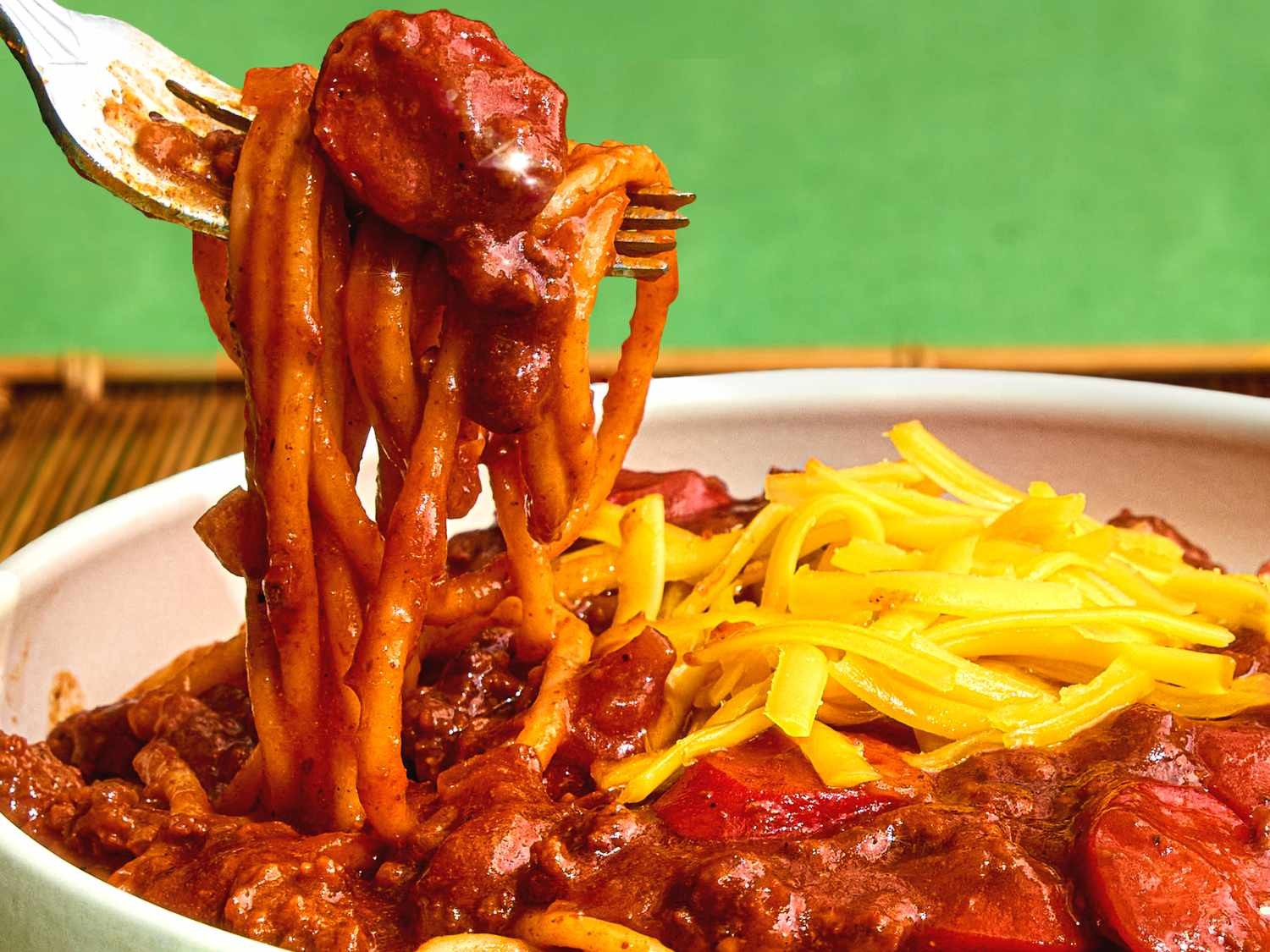
Filipino spaghetti is a culinary anomaly that defies the traditional Italian definition of the dish. Rather than a savory, herb-forward tomato sauce, this version is characterized by a thick, rich, and distinctly sweet profile. It is a dish defined by its bold contrasts: savory meat meets sugary sauce, and salty cheese balances the tang of banana ketchup.
The Secret Ingredient: A Legacy of Necessity
To understand why Filipino spaghetti tastes the way it does, one must look at the history of its most vital ingredient: banana ketchup.
The dish’s unique flavor profile is rooted in the scarcity of the World War II era. During the Japanese occupation of the Philippines, tomato supplies were severely limited and expensive. In response, food scientist Maria Orosa developed a workaround by using locally abundant saba bananas. By mixing mashed bananas with sugar, vinegar, spices, and red dye, she created a product that mimicked tomato ketchup but utilized local resources.
This innovation did more than just fill a gap in the pantry; it reshaped the nation’s palate. While historical legends—such as the story of General Douglas MacArthur requesting Neapolitan spaghetti and being served a banana ketchup version—may be more folklore than fact, they highlight how this substitution became a permanent fixture in Filipino cuisine.
From Wartime Substitute to Cultural Icon
What began as a resourceful substitution has evolved into a beloved staple of both home kitchens and commercial food giants.
- The Rise of Fast Food: In 1978, the massive fried-chicken chain Jollibee introduced “Jolly Spaghetti” to its menu. This sweet, meaty version helped standardize the flavor profile for a new generation, turning the dish into a national sensation.
- A Versatile Classic: Today, the dish serves dual roles: it is a quick, comforting weeknight meal and a mandatory centerpiece at festive gatherings and parties.
Anatomy of the Perfect Sauce
The hallmark of an authentic Filipino spaghetti is the balance of sweet, savory, and umami flavors. Achieving this requires a specific layering of ingredients:
1. The Savory Foundation
The process begins by browning ground meat and sliced hot dogs. This step is crucial; the caramelized fats from the meat and the saltiness of the hot dogs provide the necessary counterweight to the sugar that follows.
2. The Sweet-Tangy Backbone
The signature flavor is built using a combination of:
* Banana Ketchup: The primary source of sweetness and color.
* Tomato Sauce: Provides acidity and body.
* Sugar: Enhances the brightness of the sauce.
* Aromatics: Onion, garlic, and bay leaves add depth and earthy undertones.
3. The Umami Boost
While the sauce is predominantly sweet, a splash of fish sauce (patis) is often used to add a layer of savory depth, ensuring the sweetness doesn’t become cloying.
4. The Finishing Touch: Cheese
No Filipino spaghetti is complete without a generous topping of shredded yellow cheese. The saltiness of the cheese acts as the final bridge between the sweet sauce and the savory meat, rounding out the entire experience.
Pro Tip for Serving: To replicate the authentic experience found in restaurants like Jollibee, avoid tossing the pasta in the sauce. Instead, plate the noodles first and ladle the thick meat sauce over the top, finishing with a heavy layer of cheese.
Conclusion
Filipino spaghetti is a testament to culinary resilience, born from wartime ingenuity and perfected through decades of cultural evolution. It remains a unique, comforting dish that celebrates the harmonious marriage of sweet and savory flavors.