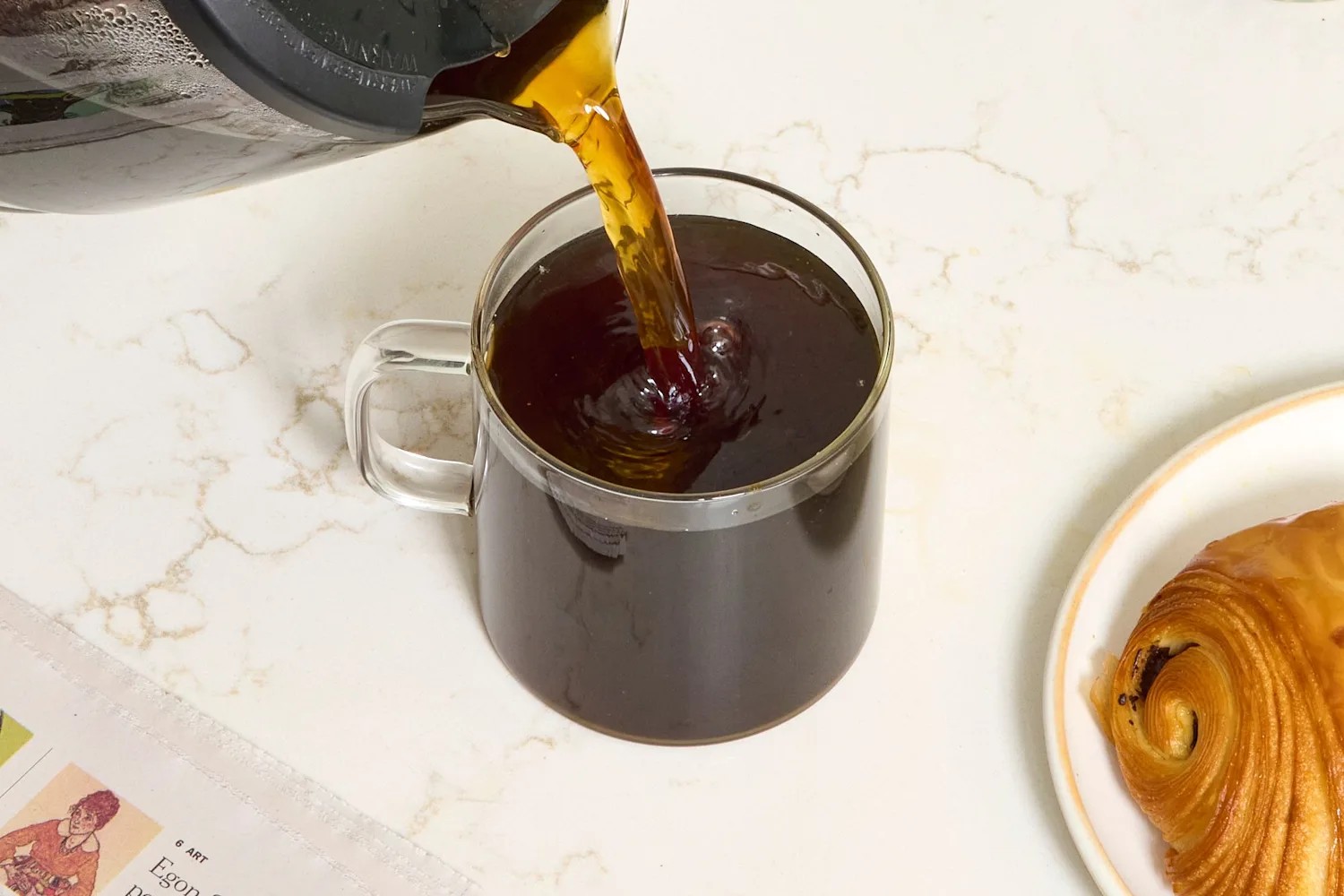
For coffee purists who disdain syrups and artificial sweeteners, finding a way to add depth and complexity to a cup without compromising on taste is a constant challenge. The solution, it turns out, might already be sitting in your refrigerator: leftover jam or marmalade.
This technique, often referred to as the “jam-jar trick,” transforms the stubborn residue at the bottom of a glass jar into a sophisticated flavor enhancer. By leveraging the natural sugars and intense fruit profiles of preserves, you can create layered, café-quality drinks at home for a fraction of the cost.
Why Marmalade Works in Coffee
The appeal of this method lies in its ability to balance acidity and bitterness. While many commercial syrups are one-dimensional—purely sweet—high-quality preserves like orange marmalade offer a complex flavor profile. They combine sweetness with tartness and aromatic citrus notes, which complement the bold, roasted character of espresso.
This pairing is particularly effective in iced drinks. The bitterness of black coffee cuts through the viscosity of the jam, while the fruit’s natural acidity brightens the overall palate. It is a sustainable hack that prevents food waste while elevating a simple beverage into something more nuanced.
How to Make an Orange Marmalade Espresso Tonic
Creating this drink requires minimal effort and no additional equipment beyond what you likely already own. The goal is to create a refreshing, citrus-forward iced coffee that avoids the heaviness of milk or cream.
Ingredients:
* 1 shot of hot espresso
* Leftover orange marmalade (approx. 1–2 tablespoons from a nearly empty jar)
* Ice
* Tonic water or sparkling water
Instructions:
- Prepare the Base: Pour a hot shot of espresso directly into the jar containing the leftover marmalade. The heat from the espresso will help melt the thick preserves.
- Mix: Seal the jar tightly and shake vigorously until the marmalade is fully dissolved into the coffee.
- Serve: Pour the mixture over a glass filled with ice. Note: If your marmalade contains seeds, strain the mixture through a fine-mesh sieve or cocktail shaker to ensure a smooth texture.
- Top Off: Fill the rest of the glass with tonic water or plain sparkling water. The carbonation adds an invigorating lift, balancing the richness of the coffee and fruit.
Beyond Orange: Flavor Variations
While orange marmalade provides a classic, tart-sweet profile, this technique is highly adaptable. The key is to match the fruit’s intensity with the coffee’s roast level.
- Berry Jams: Raspberry, blueberry, or blackberry preserves work exceptionally well with lighter roasts or cold brew, creating a berry-infused iced latte vibe without dairy.
- Stone Fruit Preserves: Apricot or peach jams can add a subtle floral sweetness that pairs well with medium-roast drip coffee.
- Spiced Preserves: Jams with added spices, such as ginger or cinnamon, can introduce warmth to the drink, making it suitable for cooler months.
The Broader Appeal of the “Jam-Jar” Technique
This method is more than just a coffee hack; it is a practical approach to zero-waste cooking. Instead of discarding jars with a small amount of preserve left, you can use that residue to enhance various dishes and drinks:
- Yogurt Parfaits: Stir the leftover jam into plain yogurt for an instant flavor boost.
- Salad Dressings: Whisk the residue with vinegar and oil to create a quick, sweet-and-sour vinaigrette.
- Cocktails and Mocktails: Use the mixture as a base for fruity drinks, eliminating the need for simple syrup.
- Oatmeal or Ice Cream: Swirl the concentrated flavor into breakfast grains or frozen desserts.
The Bottom Line: By repurposing the last bits of jam, you not only reduce waste but also unlock a versatile ingredient that adds natural sweetness and complexity to your daily routine. It is a small change that delivers a significant upgrade in flavor and sustainability.
This approach demonstrates that high-quality coffee experiences do not require expensive syrups or complicated equipment. With a little creativity and a nearly empty jar, you can craft a drink that is both refreshing and resourceful.