Heating leftovers in plastic containers is a daily ritual for millions. It is convenient, fast, and often done without a second thought. However, the assumption that all food storage containers are created equal is dangerous. Not every plastic container is designed to withstand the intense heat of a microwave, and using the wrong type can lead to unintended health consequences.
Understanding the difference between safe and unsafe plastics is not just about preserving your lunch; it is about protecting your health from chemical exposure.
Why Plastic and Heat Are a Risky Combination
The core issue lies in the interaction between high temperatures and certain polymers. When specific types of plastic are exposed to heat, they can degrade and release harmful chemicals into food. The two primary concerns are BPA (bisphenol A) and phthalates, both of which are known hormone disruptors. Consuming these substances regularly, even in small amounts, can interfere with the body’s endocrine system.
While “microwave-safe” containers are engineered to withstand heat without breaking down or leaching chemicals, many standard storage containers found in kitchen cabinets were never designed for this purpose. The distinction is critical: a container may be safe for cold storage but hazardous when heated.
Decoding the Recycling Symbols
To determine if a container is safe, look at the bottom for the triangular recycling symbol with a number inside. This code provides essential information about the plastic’s composition:
- Number 5 (Polypropylene): This is generally the safest bet for microwaving. Polypropylene is heat-resistant, durable, and less likely to warp or leach chemicals under normal heating conditions. It is the most common material used in containers specifically marketed for reheating.
- Numbers 3, 6, and 7: These plastics should avoid the microwave entirely.
- Number 3 (PVC) often contains phthalates.
- Number 6 (Polystyrene) can melt and release styrene, a potential carcinogen.
- Number 7 (Other): This category includes various plastics, some of which may contain BPA. Unless explicitly labeled “BPA-free” and “microwave-safe,” assume they are not safe for heating.
Important Note: The recycling number indicates the type of plastic, but it does not guarantee that the specific product has passed safety testing for microwave use. A container made of Number 5 plastic might still be unsafe if it was not manufactured to withstand heat. Always look for an explicit “microwave-safe” label or check the manufacturer’s guidelines.
Physical Condition Matters
Even if a container is labeled microwave-safe, its physical condition plays a crucial role in safety. Over time, plastics degrade. If a container is:
* Scratched or cracked
* Cloudy or discolored
* Warped or melted
…it should be retired from microwave duty immediately. Microscopic cracks and surface damage can harbor bacteria and increase the likelihood of chemical leaching when heated. When in doubt, replace it.
Is Tupperware Microwave-Safe?
The answer is nuanced: Yes, but only specific products.
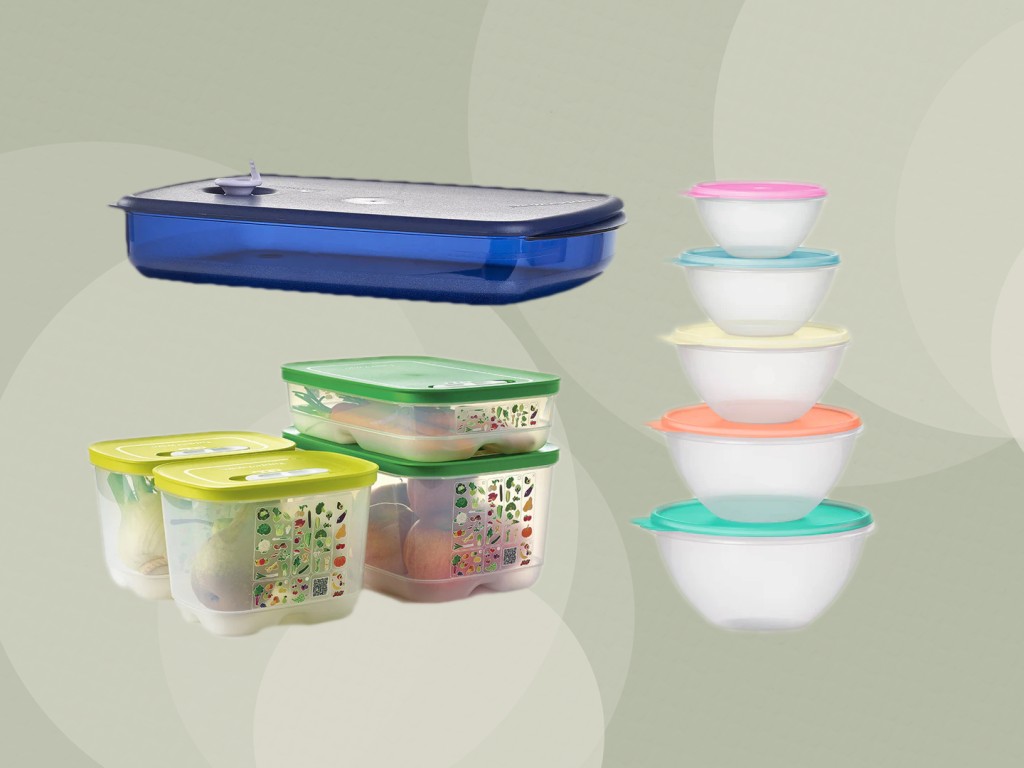
Tupperware, like many brands, produces a wide range of products with varying safety profiles. They do not label all their products as microwave-safe. Instead, they offer distinct collections designed for different uses:
- Microwave-Safe Plastics: Tupperware has a dedicated line of plastic containers, rice cookers, and pasta makers explicitly tested and labeled for microwave use. These are designed to handle heat without releasing harmful substances.
- Storage-Only Plastics: Some of their plastic products are intended solely for cold storage or refrigeration. Heating these can cause melting or chemical release.
- Glass Options: For those wishing to avoid plastic entirely, Tupperware’s Voila Glass collection is a robust alternative. These glass containers are designed for versatile use, including roasting, baking, freezing, and microwaving. The accompanying plastic lids are also microwave-safe and feature vents to allow steam to escape, preventing pressure buildup and splatter.
The Bottom Line
Safety in the kitchen starts with awareness. Before placing any plastic container in the microwave, check for the Number 5 symbol or an explicit “microwave-safe” label. If the container is old, damaged, or lacks clear labeling, opt for a glass alternative or transfer the food to a ceramic plate.
Key Takeaway: Convenience should not come at the cost of health. By understanding plastic types and respecting manufacturer guidelines, you can safely enjoy hot meals without the risk of chemical exposure.