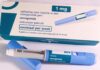
GLP-1s might be doing something we never expected. Something with nothing to do with weight loss.
New data, set to debut at the American Society of Clinical Oncology (ASCO) 2026 meeting, suggests that GLP-1 medications may slow metastatic progression in specific cancers. Metastasis. That is when cancer spreads from its origin to other parts of the body. Not a fun place to go.
Dr. Mark Orland of the Cleveland Clinic leads this research. The study is unpublished as of this writing, meaning the peer-reviewed stamp isn’t on yet. But the initial findings are loud enough. Patients with Type 2 diabetes or obese patients taking GLP-1 inhibitors saw reduced cancer progression compared to those taking DPP-4 inhibitors. DPP-4s. Think Januvia or Onglyza. Standard oral meds for insulin control.
The twist? Some cancer cells carry high levels of GLP-1 receptors. For patients using these drugs, that association dropped the risk of death by 33%. It implies the drugs might be attacking the cancer directly. Direct hits are rare.
But wait. The study is observational. It doesn’t prove GLP-1s kill tumor cells. Correlation isn’t causation, even when the numbers look promising. The FDA hasn’t approved these drugs for cancer. You can’t just swap your heart medication for chemo prevention. Do not try this at home.
What The Numbers Say
Cleveland Clinic researchers looked at 12,112 people with Stage 1-3 cancer. Seven types linked to obesity: Non-small cell lung (NSCLC), breast, colorectal, prostate, liver (hepatocellular), pancreatic, and renal cell (kidney) cancers.
Half the cohort took GLP-1s post-diagnosis. The other half took DPP-4s. To keep it fair, they matched groups on BMI, smoking history, and prior treatments. Fair is key in observational studies, but it’s not a randomized trial.
The result? Reduced metastasis in six out of seven malignancies.
Except for kidney cancer, every group did better on GLP-1s. The improvements were statistically significant in four areas: NSCLC, breast, colorectal, liver.
Let’s look at lung cancer.
– 22% of the DPP-4 group progressed to Stage IV.
– Only 10% of the GLP-1 group did.
Breast cancer? 20% versus 10%. Colorectal? 22% versus 13%. Liver cancer? 28% versus 19%.
Dr. Mark Chwistek of Fox Chase Cancer Center notes that over half of the GLP-1用户在 were on systemic cancer treatments concurrently. Like chemotherapy. Or immunotherapy. The drugs aren’t sitting in isolation. They are mixing with potent anti-cancer therapies.
Why Compare To DPP-4s?
One catch. Dr. Jiang Bian of Indiana University compared GLP-1s not just to DPP-4s but also to SGLT2 inhibitors in a 2025 study. SGLT2s block glucose reabsorption in kidneys. Bian’s findings? GLP-1s beat DPP-4s. But against SGLT2s? No difference.
Why the disconnect? Bian used Medicare claims. Less granular data. No direct access to BMI specifics like the Cleveland team had. Orland says choosing DPP-4 was strategic.
“DPP-4 is the least contentious.”
He means DPP-4s likely don’t have their own cancer-fighting effects that would muddy the data. It was a cleaner comparison, he argues. Orland disclosed financial ties to companies like Alexion and Novartis, a standard disclosure that keeps things transparent if slightly muddy.
Too Early To Prescribe For Cancer
Obesity is a risk factor. Endocrine therapies for breast and prostate cancers often cause weight gain, complicating recovery for survivors like Dr. Samyukta Mullang sees in Tennessee. This is why researchers are digging into the GLP-1 link. Previous studies, presented earlier at the 2026 Gastrointestinal Cancers Symposium, hinted these drugs might prevent colorectal cancer specifically.
The theory? GLP-1s affect blood sugar, insulin, and inflammation. They support immune cells. It is never just glucose lowering, as Chwistek pointed out at the press conference.
The properties have always hinted at broader effects. Now there is data. Large data. Consistent across tumor types. This consistency warrants a randomized controlled trial. A proper one. Not an observational guess.
Dr. Orland is clear. Do not give GLP-1s to cancer patients without diabetes or obesity to stop metastasis.
“It’s too early,” Orland said.
He plans to investigate SGLT2 options further, too. More observations needed. The data shows a 38-50% reduction in progression for certain cancers. That number is exciting. It makes headlines. It makes you stop scrolling. But standard of care? It has not changed. Not even slightly.
Is this the holy grail? Maybe. Probably not yet. It’s just a new angle in an old, stubborn fight. The ending hasn’t been written.
Just the middle of the page. 📉🏥