


Chicago, Illinois.
The energy inside the WNBA All-Star Weekend is different. It’s louder. It’s brighter. And for Dominique Malonga, it’s business.
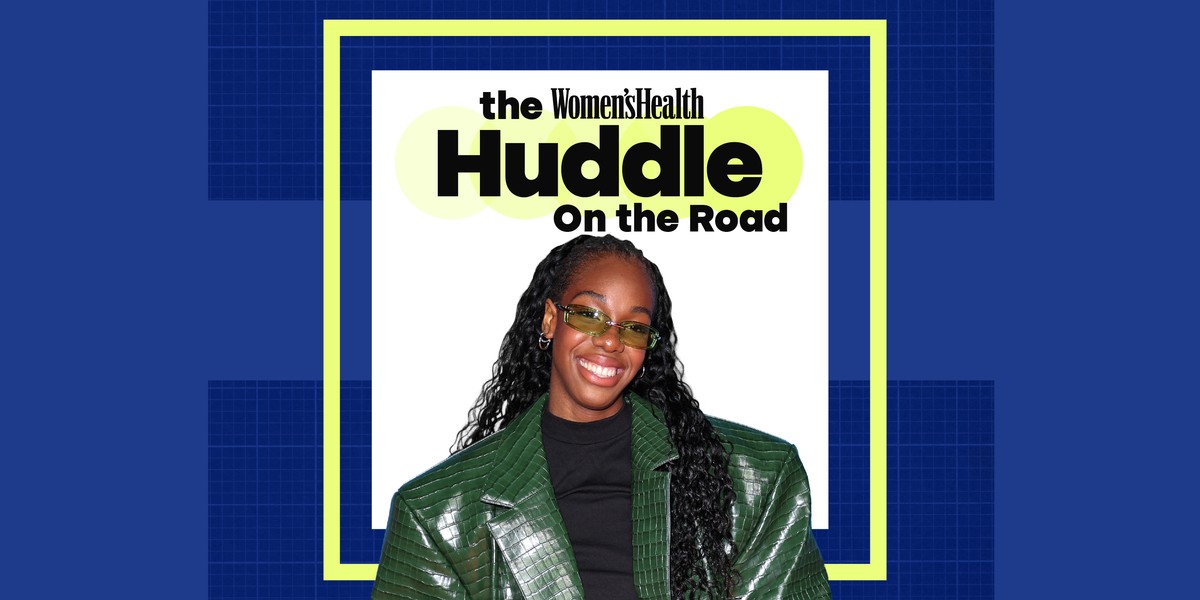
Most people see the Orange Carpet. They see the crocodile green jacket. They see the dunk—a smooth, powerful act assisted by Angel Reese. But Dom? She sees a resume.
She is 20. She is the center for the Seattle Storm. She is already rewriting history books without even trying.
The Stats Are Just Side Notes
Let’s get the numbers out of the way first, because they are insane.
- Youngest player in WNBA history to reach 500 career points.
- Youngest to record 10 career double-doubles.
- Youngest to drop 30+ points in a single game.
That’s a lot of superlatives for someone who hasn’t even reached voting age for a US presidency yet.
But ask her about them? She shrugs.
“My only focus right now is helping Seattle win.”
Records are just byproducts. They happen when you get an early opportunity to leave a mark. They don’t drive her. Winning does.
All-Star Weekend Is Brand Building
There is a misconception that All-Star Weekend is just partying. It’s not. Not for the elites. Not for Dom.
She calls it “intense.” The interviews. The media appearances. The constant visibility. It’s a grind. But she’ll “never complain.” Why? Because brand growth is part of the job description. She is building a career that extends far beyond the 40 minutes of game time.
This shift in perspective mirrors the league’s broader evolution. The WNBA isn’t just growing; it’s maturing into a platform for athlete empowerment. Dom understands this better than most. She knows that what happens off the court matters just as much as what happens on it.
Beyond Basketball: The Tech Pivot
Here is where the story gets interesting.
You would expect a phenom like Dom to talk about coaching. Or maybe broadcasting. Maybe management.
She doesn’t.
She is studying computer science.
Her goal? To build an app. She sees her playing career as a 10-to-15-year chapter. A significant chunk of her youth. But when the buzzer sounds on her pro career, she is pivoting. Hard. She has no intention of staying in sports professionally after she retires. She wants tech. She wants code. She wants to solve problems with logic, not just athleticism.
It’s a long game. She’s thinking decades ahead.
The Multifaceted Star
Off the court, Dom is surprisingly human.
She decompresses by playing the piano. In fact, music helped rehab a recent wrist injury when she couldn’t shoot hoops. There is a poetic symmetry there—using one skill to heal another.
She is obsessed with Korean dramas. She speaks passionately about her heritage: Cameroon, France, and Congo. She wants fans to see themselves in her, to feel a genuine connection. She even joked about duetting with another player—an aspiring rapper—in her spare time. A future Grammy-winning collaboration? Why not?
The New Generation
What stands out isn’t just her scoring ability. It’s her multidimensionality.
Dom represents the next generation of female athletes who refuse to be one-note players. They are complex. Ambitious. Strategic. They understand that their brand is their equity, their mind is their tool, and their life after basketball is already in motion.
She walked the Orange Carpet. She dunked. She answered the questions.
And then she went back to her laptop.
The record books will fill up anyway. The wins will keep coming. But it’s the person behind the jersey—the student, the musician, the future tech founder—that makes this story worth telling.
Is that the new standard? Maybe.
Dom doesn’t seem to care about the standard. She’s busy building the future.


