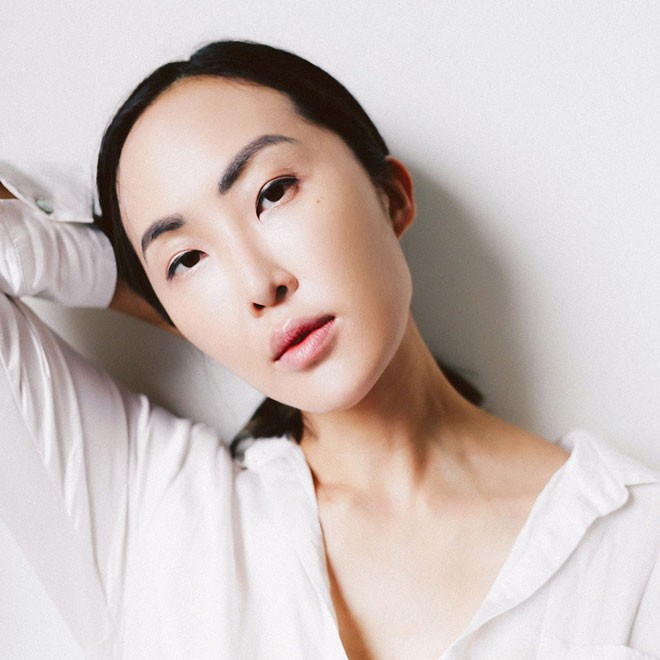
Korean women don’t just get lucky with porcelain skin. It is a discipline. A habit. A non-negotiable part of life starting from a very young age. While makeup is fun, the real magic happens beneath the surface. Daily skincare routines are the priority. The goal? Glass skin.
That shiny, translucent, poreless look.
It isn’t a filter. It is hydration and exfoliation working overtime. If you want that dewy, hydrated glow without the heavy foundation, you need to borrow the Korean playbook. Here is how to build a routine that actually delivers results.
Why Glass Skin Matters
Glass skin isn’t just about looking good for photos. It is about skin health. The trend emphasizes deep hydration and barrier repair. When the skin barrier is intact, light reflects off the surface. That creates that signature “glass” effect.
Most Western routines skip steps. They focus on stripping oil or quick fixes. Korean skincare takes the long view. Consistency beats intensity. You won’t see results in a day. You will see them in weeks.
The 10-Step Routine Breakdown
You might think ten steps is overkill. It is not. Each step targets a specific need. Here is the breakdown of the 10-step Korean skincare routine that creates that flawless canvas.
1. Oil-Based Cleanser
Start by dissolving makeup and sunscreen. Water-based cleansers can’t fully break down oil-based products. This first step removes the surface grime without stripping the skin’s natural oils. Massage it in. Rinse with warm water.
2. Water-Based Cleanser
Follow up with a gentle foaming or gel cleanser. This catches what the oil missed. Sweat. Dust. Residue. The key here is gentleness. No scrubbing. No harsh sulfates. Your skin should feel clean, not tight.
3. Exfoliator
This is where you slough off dead skin cells. Use a chemical exfoliant (AHA or BHA) rather than a physical scrub. Physical scrubs can cause micro-tears. Chemical exfoliants dissolve the glue holding dead cells together. Do this only 1-2 times a week. Over-exfoliating damages the barrier.
4. Toner
Most people skip this. Big mistake. Toners balance the skin’s pH level after cleansing. They also prep the skin to absorb subsequent products. Look for hydrating toners with ingredients like hyaluronic acid or green tea. Pat it into your skin. Don’t rub.
5. Ampoules
Think of ampoules as concentrated serums. They target specific concerns like brightening, anti-aging, or deep hydration. The concentration of active ingredients is higher than in regular serums. Use this step when your skin needs an extra boost.
6. Sheet Mask
Hydration station. Sheet masks are a weekly treat, not a daily necessity. Soak your skin in nutrients. Ingredients like snail mucin or centella asiatica are popular for their healing properties. Leave it on for 10-15 minutes. Press the remaining essence into your skin.
7. Eye Cream
The skin around your eyes is thin. It shows age first. Eye creams are formulated
The Double-Cleanse Reality Check
You skip the makeup removal step because you just feel “clean enough.” Big mistake. Even if you didn’t wear foundation today, your skin has been collecting environmental stressors, excess sebum, and invisible grime all day. Skipping a thorough cleanse is like washing your car with a dry rag. It just smears the dirt around.
The goal here is total eradication. Not surface-level cleaning. Deep cleaning.
Start with the strongest cleanser you own. I’m not talking about a gentle foam that promises to caress your skin. I’m talking about the heavy hitter. Apply it to dry or damp skin and actually work it in. Don’t just splash it on and rinse. Give it three to five minutes. Yes, really.
“You need to massage the product into the skin to break down oils and makeup residue effectively.”
This isn’t a race. It’s a process. You are breaking down the bonds of oil-based impurities. If you are wearing waterproof mascara or long-wear lipstick, this step is non-negotiable. The friction helps lift those stubborn particles from the pores.
Once you’ve massaged it in, rinse it off with plenty of water. Lukewarm is best. Hot water strips essential oils; cold water doesn’t emulsify the cleanser well. Find the middle ground.
Then comes the drying part. Most people rub their faces with their towels like they are trying to scrub off a stain. Stop it. You’re damaging the skin barrier with aggressive friction. Use a clean towel. Pat. Gently. No rubbing. Just press the fabric against your skin to absorb the moisture. If you’re rough here, you’re undoing all that hard work you just did in the sink.
This is the foundation of everything else. You can’t apply serums or moisturizers to a surface that’s still holding onto yesterday’s pollution. Clear the deck before you start the game.
Why pore-clearing scrub matters
Korean beauty routines have always treated clean, refined pores as non-negotiable. You don’t need harsh physical exfoliants that leave skin red or irritated. Instead, look for a gentle scrub or a mild peel with soft granules. The goal? Unclog pores without causing micro-tears or inflammation. Think of it as a reset button for your complexion—not a battle.
Most dermatologists agree: consistency beats intensity. Use these products 1–2 times weekly. Over-exfoliation leads to barrier damage. That means more breakouts, not fewer. Choose formulas with spherical beads, enzymatic action, or fine rice powder. Avoid crushed walnut shells or overly gritty pastes. They’re too aggressive for daily maintenance.
If you have sensitive skin, opt for chemical exfoliants like lactic acid or PHA instead. They dissolve dead skin cells without scrubbing. Either way, follow up with hydration. Hyaluronic acid and ceramides help seal in moisture after exfoliation. Your skin should feel smooth, not stripped.
Still wondering how to choose? Start with one product type. See how your skin reacts over two weeks. Adjust frequency or formula accordingly. There’s no rush. Pore health improves slowly—but visibly.
Why Your Toner Step Actually Matters (And How to Do It Right)
Stop assuming your current toner is doing the heavy lifting. If you haven’t found one that genuinely works for your skin type, stop skipping this step and find one that does.
It’s not just about wetting your face. It’s about removing the layer of grime your cleanser missed.
Use a cotton pad. Press it gently against your skin. Swipe across your forehead, cheeks, and chin. You’ll see what comes off.
Most people think rinsing is enough. It isn’t.
Residue builds up. Dead skin cells cling. Without a proper toner, your next products slide right off rather than sinking in.
Pick a toner with ingredients that match your needs. Hydrating? Look for hyaluronic acid. Exfoliating? Go for AHAs or BHAs. Soothing? Centella asiatica or aloe.
Don’t rub. Pat or swipe gently.
Your skin is not a windshield. Treat it with more care than that.
This step clears the path. It preps the canvas.
Without it, you’re painting over dirt.
The Right Way to Apply
- Soak a cotton pad with toner until it’s damp, not dripping.
- Start at the center of your face. Move outward.
- Don’t forget the hairline and jawline.
- Let it absorb for 30 seconds before moving on.
Simple. Effective. Non-negotiable if you want real results.
Some brands market their toners as “refreshing.” Others call them “clarifying.” What matters is what’s in the bottle and how it feels on your skin.
If it stings, it’s working too hard. If it does nothing, it’s filler.
Find the middle ground. The one that makes your skin feel clean but calm.
That’s the goal.
Why Hydrating Masks Are Your Skincare Secret Weapon
Think of this step as prepping the canvas before the real work begins. You aren’t just slapping on something for show. You are softening the surface. You are inviting the next layers to sink in.
The goal here is simple: hydration.
Skip the stuff that dries into a cracking film. Skip the powders you mix yourself unless you know exactly what you’re doing. Look for masks that are wet. Thick. Juicy.
“Choose masks with high moisture content.”
Why does this matter? Because dry or semi-dry treatments can sometimes pull oils out of your skin instead of adding to them. You want a barrier that holds water. You want ingredients that sit on top and whisper to your cells.
Look for textures that feel like gel or cream. Not clay. Not chalk.
If your mask feels like it’s drying out halfway through the process, you’re doing it wrong. It should feel like you just splashed water on your face. Cool. Damp. Comfortable.
This isn’t about stripping. It’s about swelling the skin cells with water. Making them plump. Making them ready to accept the next active ingredient you apply.
Don’t overthink the ingredient list here. Just check the texture. If it’s runny, it’s probably too thin. If it’s hard, it’s too dry. Aim for the middle. A lush, hydrating sheet mask or a thick overnight gel works best.
Your skin should feel like it drank a full glass of water. Not a sip. A full glass.
The Step You Can’t Skip: What Exactly Is an Essence?
If you’ve scrolled through any Korean beauty haul lately, you’ve seen the small, often oddly shaped bottles. They aren’t toners. They aren’t quite serums. They sit squarely in the middle. We call them essences.
This specific skincare step didn’t exist in our routines a decade ago. It arrived from Korea and changed how we think about layering products. The definition is tricky. Is it a toner? No. It’s too rich. Is it a serum? Not exactly. It’s usually too watery. Think of it as a bridge. A hydration bridge between your cleansing routine and your heavier treatments.
The main goal here isn’t exfoliation or aggressive treatment. It’s preparation. You are priming the canvas. But there is a catch. A non-negotiable catch.
The most important rule for using an essence? It must be completely absorbed into the skin.
If you leave it sitting on the surface, you’re just adding product for the sake of it. You risk pilling. You risk blocking the next steps. You want it gone. Into the skin.
Why Your Skin Craves This Middle Ground
We often think of skincare in binary terms. Cleanse. Moisturize. Treat. But modern skin tends to be more complex than that. Sometimes your toner feels too drying. Sometimes your serum feels too sticky. The essence steps in to balance the two.
It typically contains smaller molecules than a traditional serum. This allows it to penetrate deeper and faster. It delivers a quick hit of hydration without the weight. For those with oily or combination skin, it feels lighter than a cream. For those with dry skin, it feels like a drink of water when the rest of the routine feels like a meal.
The ingredients often reflect this focus. You’ll see centella asiatica. Snail mucin. Fermented extracts. These aren’t just buzzwords. They are about soothing and prepping. They calm the skin so it can take in the stronger actives that follow.
How to Apply It Correctly
Most people slap it on with a cotton pad and move on. That’s fine. But if you want to maximize that absorption step, try this.
- Pour, don’t dip. Put a few drops in your palms. It gives you control over the amount.
- Press, don’t rub. Place your hands against your cheeks. Press gently. Use the heat of your hands to help the product sink in.
- Wait. This is the hard part. Wait until it feels dry to the touch. Not sticky. Not wet. Just dry.
If you can still feel the product on your face, wait longer. The next step—your serum or moisturizer—needs that clear, prepped surface to work effectively. Rubbing it in fights the absorption. Pressing it in encourages it.
Where It Fits in Your Routine
You might be wondering about the order. Does it go before or after toner?
After.
Your standard toner balances your pH. It preps the skin. The essence adds the hydration layer. Then comes your serum for targeted issues. Then your moisturizer to seal it all in.
It’s a subtle shift. But the difference in how your skin feels
The Massage Is The Secret You’ve Been Skipping
You can buy the most expensive serum on the shelf, but if you just slap it on and walk away, you’re wasting money. The real magic isn’t in the liquid. It’s in the technique.
Korean skincare routines don’t treat serum application as a passive act. They treat it as a ritual. The goal isn’t just to coat the skin. It’s to force that product into the deep layers where it actually matters.
That’s where massage comes in.
Women in Seoul often use specialized tools to boost absorption. Gua sha. Jade rollers. Or just their own fingertips. The pressure helps push the active ingredients past the surface barrier. Without this step, the serum sits there. It evaporates. Or it transfers to your pillowcase.
Doing this manually creates a lift. It reduces puffiness. It makes the skin look tighter immediately. But more importantly, it makes the routine stick.
You need consistency to keep that glow. If you’re aiming for a no-makeup look that actually lasts, skipping the massage is a mistake. Rub it in. Press it. Let it sink.
Gözenek sıkılaştırma adımları arasında iddialı claims’lerle karşılaşırsanız şaşırmayın. Bu aşamada hedefiniz cildi matlaştırmak ve pürüzsüz bir doku yaratmak. En etkili yöntem, jel yapılı formları tercih etmek. Bu tür ürünler cilde ağır gelmeden, gözenekleri daraltmaya yardımcı olur. Sonuç? Makyajınız çok daha düzgün oturur, kalıcılığı artar.
Neden Jel Formüller Tercih Edilmeli?
Yoğun kremler bazen gözenekleri tıkayabilir. Özellikle yağlı veya karma cilt tipi olanlar için jel dokular daha hafiftir. Cildi matlaştırırken nem dengesini koruyan seçenekler, gözeneklerin daha az belirgin görünmesini sağlar. Bu da makyajın daha pürüzsüz, doğal ve uzun süre dayanır hale gelmesine yardımcı olur.
Jeller, cildi ağırlaştırmadan gözenek sıkılaştırma etkisi yaratabilen en pratik çözümlerden biridir.
Makyaj İçin Hazırlık Nasıl Yapılmalı?
Gözenek sıkılaştırma ürünü uyguladıktan sonra cildin dinlenmesine izin verin. Ürünün emilmesini bekleyin, ardından hafif bir primer ile devam edin. Böylece fondöteniniz gözeneklerin içine dolmaz, yüzünüzü kaplayan pürüzsüz bir tabaka oluşturur. Bu adımlar, makyajınızın gün boyu bozulmadan kalmasını sağlar.
Hangi ürünleri seçeceğiniz cilt tipinize göre değişir. Kuru ciltler için hafif nemlendirmeli jeller, yağlı ciltler için ise matlaştırıcı etkiye sahip olanlar daha uygundur. Doğru seçimi yapmak, sadece gözenekleri değil, tüm cilt görünümünü olumlu etkiler.
Why Eye Creams Are Non-Negotiable in Korean Skincare
For many Korean women, under-eye bags and dark circles aren’t just a minor annoyance. They are a focal point of self-care. The goal isn’t just hydration. It’s depuffing. It’s brightening.
That’s why the application method matters just as much as the ingredients.
The Metal Ball Tool Trend
You’ve probably seen them. Small applicators with a metal ball tip. They look like tiny beauty blenders made of steel.
The trend has exploded recently. But it’s not a gimmick. It’s physics.
When you press that cold metal ball against your skin, two things happen.
- The temperature drops the blood flow slightly, reducing puffiness.
- The smooth surface allows for a gentle massage without tugging.
Tugging causes wrinkles. Massage encourages drainage.
How to Use It Correctly
Don’t just smear the product on. You have to work it in.
Start at the inner corner of your eye. Use light pressure. Roll outward toward the temple.
Think of it as moving fluid away from the center of your face. Gravity wants to pull everything down. You want to help it flow up and away.
Do this twice a day. Morning and night.
The coldness is key. If your eye cream is room temperature, the benefit is minimal. Keep it in the fridge. Or use a applicator that’s been chilled.
The shock of the cold wakes up the skin. It tightens the tissue. It makes you look less tired before your coffee even kicks in.
Which Products Work Best?
You don’t need the most expensive jar. Look for formulas with caffeine or peptides. Caffeine constricts blood vessels. Peptides support collagen.
But the tool does the heavy lifting.
A hyaluronic acid serum paired with a chilled metal ball applicator can be a game-changer. The serum plumps. The ball drains.
It’s a simple routine. But consistency wins.
The Reality Check
No cream will erase genetic darkness. No roller will remove bags caused by bone structure.
But for puffiness caused by salt, sleep, or age-related fluid retention? It works.
It’s not magic. It’s maintenance.
And honestly? It feels good. The cooling sensation is instant relief. It’s a moment of calm in a chaotic morning.
So, are you ready to chill out?
Why Hydration Is the Non-Negotiable Step Your Skin Demands
You can slough off every dead cell and peel back every layer of dullness, but if your skin is parched, it all looks wrong. Hydration isn’t just a nice-to-have for dry skin types. It is the foundational step for every single complexion.
Think about it. You are applying aggressive treatments. Exfoliants. Acids. Retinoids. These processes strip. They disrupt. To counteract that, you must massage a rich moisturizer into your face. And I mean massage. Not just slapping it on. Rubbing it in stimulates circulation. It forces product absorption.
This step does two things simultaneously. First, it locks in moisture. Second, it creates that specific glow you chase. Not the oily shine of a tired face. The hydrated, plump sheen of healthy skin. Without it? You get dry patches. You get that tight, uncomfortable feeling that screams “I messed up my barrier.” Skip hydration, and your skin fights back.
Why Sunscreen Is the Non-Negotiable Final Step in Korean Beauty
If your skincare routine lives in your morning light, sunscreen isn’t just an option. It’s the finish line. Skip it, and you’re basically skipping the most important defense your skin has. But what if you aren’t a morning person? You can shift this step to your night routine, swapping the SPF for a heavy-duty night cream before you close your eyes. The logic remains the same: protection and repair.
Consider the Korean beauty ethos. You’ve likely noticed the almost porcelain complexion common among women in South Korea. It’s not just genetics. It’s a cultural priority rooted in a deep-seated fear of hyperpigmentation. For many, sun spots are a nightmare scenario. They represent aging and uneven texture, things that are heavily stigmatized.
This focus on a bright, even tone isn’t superficial vanity. It’s about maintaining a flawless canvas. If you share that desire for a fair, clear complexion, the routine changes slightly. You stop at step ten. You apply the sunscreen. You lock in that protection.
The goal is consistency. Whether you apply it at 7 a.m. or 10 p.m., you are building a barrier. You are preventing the dark spots that disrupt the glow everyone wants.
Hadi dürüst olalım. “Cam cilt” (glass skin) terimi ilk duyduğunuzda, belki de gerçek dışı bir vaat gibi geldi. Porselen gibi pürüzsüz, ışığı yansıtan ve asla makyajsız kalamayacakmış gibi hissettiren bir cilt. Ama işin sırrı sihirde değil, tutarlılıkta ve doğru adımlarda yatıyor.
Bu 10 adımlı rutin, Koreli kadınların güzellik sırlarının özeti. İlk deneme harika sonuçlar vermeyebilir, çünkü cildiniz yeni bir sisteme alışıyor. Ancak bu adımları hayatınızın bir parçası yaptığınızda, aynaya baktığınızda o “harika” hissi yakalayacaksınız. İşte cildinizi dönüştürecek o 10 adım.
1. Yağ Bazlı Temizleyici (Double Cleansing’in Başlangıcı)
Gün boyu cildinizde biriken makyaj, güneş koruyucu ve aşırı yağ (sebum) suyla temizlenmez. Onun için yağ bazlı bir temizleyici şart.
- Cildinize kuru ellerle masaj yapın.
- Makyaj ve kirleri eritmek için bu adımı 1-2 dakika bekletin.
- Sıcak suyla durulayın.
Bu adım, gözeneklerinizi tıkamayan bir temizlik sağlar. Pürüzsüz bir cilt için ilk kalite adım budur.
2. Su Bazlı Temizleyici
İlk temizlikten sonra, su bazlı bir temizleyici kullanın. Bu, cildin derinlerindeki kırıntıları ve kalan safsızlıkları alırsınız.
- Yumuşak bir dairesel hareketle uygulayın.
- Cildinizi asla sıkı hissedene kadar yıkamayın.
- Ilık suyla durulayın.
Cildiniz temiz, nemli ve açığa hazırdır. Artık bakım ürünleri emilmeye hazırdır.
3. Eksfoliyasyon (Haftada 1-2 Kez)
Cam cilt, ölü derilerden arınmış bir yüzün işidir. Ancak her gün yapmayın. Cildiniz hassastır.
- Haftada 1 veya 2 kez, kimyasal peeling (AHA/BHA) kullanın.
- Fiziksel peelingler (bıyık) cildi tahriş edebilir, kaçının.
- Gözenekleri açar, parlaklığı artırır.
Not: Bu adımı kullandığınız günlerde diğer ağır aktif maddelerden (retinol gibi) kaçının.
4. Tonik
Kore güzellik ritüellerinde tonik, su gibi ince bir sıvıdır. Hedefi cildin pH dengesini sıfırlamak ve nemlendirmektir.
- Pamukla uygulayın veya avuç