


There is a hierarchy of taste in a cuisine. The cook who knows the spices takes the dish from an ordinary meal to the stars. However, this information is not limited to just meals. Spices and herbs add depth to everything from beverages to oils.
The problem is that many plants have both herb and spice status. Knowing which plant is what is a completely different task.
Fresh or dry? The answer is not always clear.
* Dry ones may be stronger than fresh ones if dried and stored well.
* Fresh foods are always ahead in terms of appearance and light taste.
Herbs often add fragrance to food. Spices create both scent and the main flavor layer. Most spices come from tropical regions. They are known for their appetite stimulating effects. It is made from roots, barks, seeds and fruits. They are generally consumed dried.
Some spices also stand out with their food preservative effect. They suppress spoilage odors. It is necessary to grind grain spices before using them.
Sage: The Kingdom of Anise-Inspired Herbs
Sage is one of the oldest and most respected names in the world of spices. This plant, known as Salvia officinalis, is indispensable for Mediterranean cuisine.
Sage is known for its strong aroma. It has a mild taste similar to anise. It has a bitter note. This feature makes it a perfect match with some cooking methods.
Where is it used?
* It goes great with red meats. Especially with pork and chicken.
* It reduces the gas-forming effect when used with bean dishes.
* It is frequently preferred in stuffed things and sausages**.
How should it be stored?
Sage is much more effective when used fresh. However, it can also be found dry. Dried sage is denser than fresh. That’s why it leaves a strong taste even with a small amount.
An important tip: Sage may become bitter if cooked for a long time. It’s best to add it in the last minutes of the meal to preserve its flavor.
What foods go well with it?
* Potato
* Pumpkin
* Mushroom
* Pisces
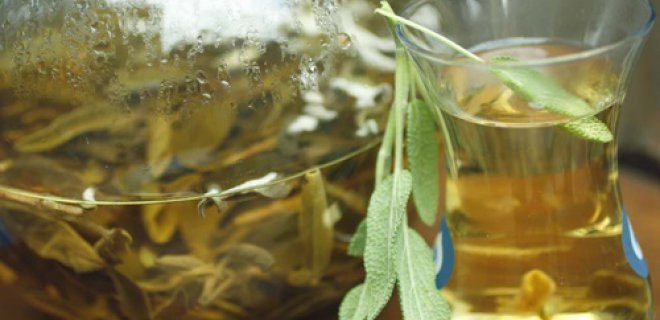
Sage is not limited to meals only. When infused with vinegar or oil, wonderful sauces are made. Some people also consume it as tea. However, when consumed as tea, one should not overdo it.
island

Sage is not only a delicious spice, it is also a powerful herb. This leafy herb, native to the Mediterranean, is also drunk as tea. It has a unique smell. It is used in the kitchen in sautéed meats, kebabs, sauces and even spaghetti sauces. But the plant part is the health benefits.
What are the known benefits of sage?
There are many claims about the benefits of sage. It is said to contribute to brain development. It is stated that it helps cleanse the blood. It is thought to be effective in removing kidney stones. It is also offered as a solution for those who have excessive sweating problems.
Rosemary: What Does It Do Against Sage?
Rosemary is a similar plant. It has different properties compared to sage. It is important to understand the differences. Which herb should be used in which situation? The answer to this question lies within the plants themselves.
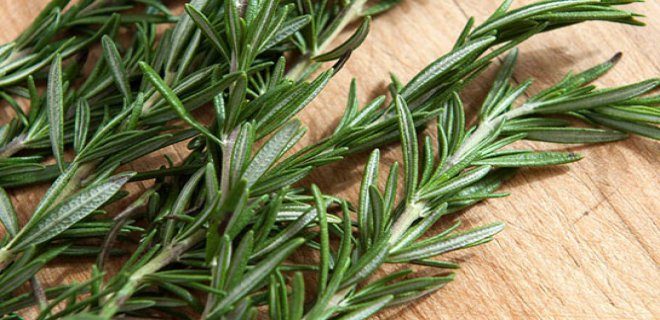
Rosemary, which takes root in the warm lands of the Mediterranean, does not shed its leaves even in winter. This plant generally grows as a shrub 1 to 2 meters tall. It is sometimes called “bird tongue” among the people. Fresh or dried, it has a very strong odor and taste. This essence, which can be obtained with olive oil, is one of the indispensable ingredients in the kitchen.
It is the perfect complement to roasted meats and grilled fish. But it is not used very often for soups or salads. Why? Its smell is overpowering and can overpower the taste of other ingredients.
Benefits of Rosemary: Weight, Immunity and Hair Health
The benefits of rosemary actually cover a wide range. It is said that it can help you lose weight. Research is conducted on its potential to reduce cancer risk. There is data that it improves brain functions. It is known to strengthen the immune system. It also has the effect of relieving pain in the body.
It is also promising for those experiencing hair loss or weak hair strands. Its hair strengthening effect directly nourishes the roots.
Using Rosemary with Tea (Tea)
You can use fresh or dried leaves to make rosemary tea. Add a teaspoon of rosemary to a cup of hot water. Let it brew for five minutes. Filter it and you can drink it. You can add honey to reduce the bitter taste.
The daily consumption recommendation is one cup per day. Too much may cause nausea. It is not recommended for pregnant women to use.
Why Chives Are More Than Just a Pretty Garnish
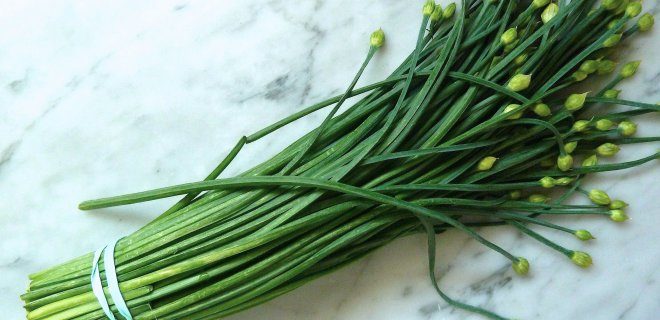
You’ve probably seen them in that little green tub in the supermarket produce section. They look like long, thin grass with a purple, pom-pom-like flower at the tip. That is chive. It is not just a decoration for your baked potatoes. It has a distinct personality. The flavor hits you like garlic, but milder. The scent of its flowers reminds many people of roses. This herb belongs to the allium family. It shows up in soups. It finishes off omelets. It thickens sauces. But the real story lies in what it does for your body.
The Health Case for Adding Chives to Your Diet
Chives are a nutritional powerhouse disguised as a simple garden herb. They are packed with carotenoids. These compounds are essential for eye health. They help protect against cataract formation. If you spend hours staring at screens, this matters. Chives also play a role in blood pressure management. They help keep levels in check. This makes them a smart addition for heart health.
The benefits extend further. Chives have protective properties against cancer. They support bone structure, keeping your skeleton strong. They assist the body in flushing out toxins. This detoxification process keeps your system running cleaner. You also get a defense against the common cold. It is a small plant with a big immune boost.
How to Use Chives in Everyday Cooking
Because chives are delicate, you need to handle them right. High heat destroys their flavor and nutrients. Add them at the very end of cooking.
- In Soups : Stir them in right before serving. They add a fresh crunch and color.
- In Omelets : Mix chopped chives into the eggs before they hit the pan.
- In Sauces : Fold them into creamy dressings or dips.
They pair well with cream cheese. They cut through the richness of fatty fish. You can even eat the flowers. They are edible and beautiful.
Why Choose Chives Over Other Alliums?
Many people ask which herb is better for specific health goals. Chives offer a unique balance. You get the garlic-like taste without the intense aftertaste. You get eye protection from carotenoids. You get bone support. You get cold-fighting antioxidants. They are gentle on the stomach compared to raw onions.
This makes them versatile. You can use them daily. There is no need to worry about overdoing it. The low calorie count means you can add them freely. You get flavor and function in one small package.
Where to Find Fresh Chives
You can grow chives easily. They come back year after year. Look for bunches with bright green, firm stalks in stores. Avoid any that look yellow or wilted. Store them in the fridge. Wrap them in a damp paper towel. Keep them up for a week.
Freshness matters. Dried chives lose much of their potency. If you cannot find fresh ones, skip them. Better to use nothing than stale herbs.
The Bottom Line
Chives are not just for special occasions. They are a practical tool for better health. They protect your eyes. They support your bones. They help your body detox. They taste good.
Start small. Sprinkle them on your next meal. Notice the difference. It
Bay Leaf: The Secret Hero of the Kitchen and a Health Friend
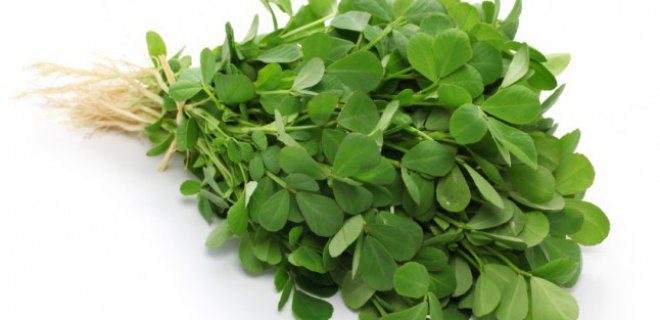
This plant, which takes root in the arid lands of Central and Southern Anatolia, is often forgotten in the garden corner. However, the bay leaf, which grows between 20 and 40 centimeters tall with its yellowish-white flowers, is an old friend both in the kitchen and in traditional treatments. This plant, also known as poyotu, adds a deep bitterness and spice to dishes by roasting its seeds and turning them into powder. You can use its fresh leaves to refresh salads or as a garnish.
What are the Benefits of Bay Leaf?
Fenugreek always ranks first in the list of benefits. Although its most well-known feature is its nutritional structure and balancing the flavor profile, it is also effective on its own. It is traditionally preferred for cough and throat disorders due to its expectorant effect. In addition, it is considered among the natural support sources for expectant mothers and breastfeeding mothers with its milk enhancing feature. These properties make it not only a spice but also a source of healing.

Let’s talk about those hidden heroes of food. Bay leaf. Those tight, those hard leaves. In soups, in casseroles, in fish. The leaves of this tree, which grows in the Mediterranean Region, actually do not just give flavor. There are thousands of years of tradition behind them. And science is now confirming this tradition.
It’s like a shield against colds. These leaves in your kitchen during the flu season try to support your immunity. You’re not just swallowing. You are breathing. The steam penetrates your lungs.
Ways to Heal with Bay Leaf
Why laurel? Because the ingredients inside are aggressive. It has an expectorant effect. It opens your chest. It relaxes the respiratory tract. In mild cases of asthma attacks, it can be one of the supportive treatments recommended by doctors. It also has diuretic properties. It helps your body adjust its water balance.
But the most surprising point is about the skin and wounds. The results examined by experts show that bay leaf increases the closing speed of open wounds. Small cuts. Scratches. Extracts from these leaves can accelerate tissue regeneration. Of course, for deep wounds and infections, it is essential not to apply it at home without consulting a doctor. But this plant, traditionally used in small creeps, also attracts the attention of modern medicine.
“Bay leaf is not just a spice; it is a natural support against respiratory diseases and a potential carrier that accelerates wound healing.”
Dill: Gut-Friendly and Anti-inflammatory Power
After the bay leaf, dill comes next. Its appearance is simple. Thin branches. Blue flowers. But it’s full.
Dill is especially suitable for intestinal health. Meteorism. Swelling. Digestive problems. Dill ranks first in traditional medicine in alleviating these problems. Supports liver functions. It regulates bile flow. This is critical for fat metabolism.
It also has a strong anti-inflammatory effect. It relieves cramps. Dill, which is kept in almost every kitchen cabinet for stomach and intestinal spasms, can also be a solution for emergencies.
**In which cases more
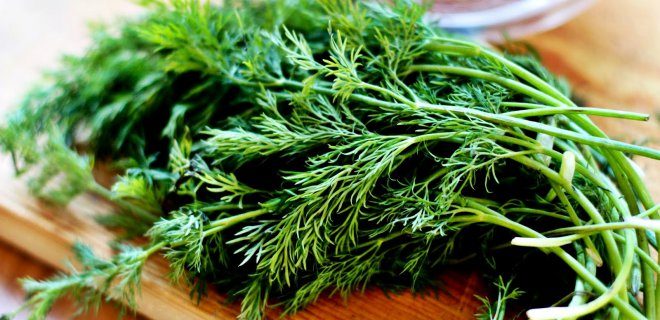
It doesn’t get the same press as parsley. You’ll see it in salads, sure, but it’s usually hiding in the background. Yet, dill is the workhorse of the Mediterranean table. If you’ve ever dug into a Greek lemon-potato dish or a Turkish yogurt sauce, you’ve tasted its influence. It’s the backbone of olive oil-based stews, the secret inside stuffed vegetables (dolma), and the quiet partner in countless vegetable medleys. It’s everywhere. You just might not be noticing it.
Why Dill Should Be on Your Radar
Beyond its flavor profile, dil packs a functional punch that goes way beyond “it tastes good.”
Think about the evening routine. Insomnia is a modern plague, and has a documented history of helping to settle the nervous system. It’s a natural sedative in culinary form. But that’s just the start.
The digestive benefits are arguably more immediate. If you’ve ever felt bloated after a heavy meal, dill is the antidote. It regulates the digestive tract and tackles excess gas head-on. It’s not just anecdotal; There’s real physiological movement happening there.
Then there’s the bone density factor. As we age, maintaining strong bones becomes less of an aesthetic goal and more of a structural necessity. Dill contributes to strengthening bone tissue, offering a small but consistent dietary boost.
And for those managing blood sugar levels? Dill steps up. It plays a supportive role in diabetes management, helping to stabilize glucose spikes. It’s not a cure, but it’s a powerful ally in the kitchen.
The Basil Connection
**
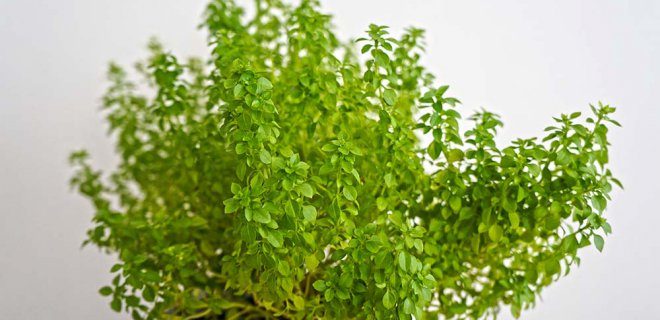
It is always found in Balkan cuisines. It has a fresh, but sharper scent like mint. Its Turkish name is chervil. In fact, it is not from the parsley family, but is close to the basilicum genus. It is referred to as bacillus in Italian cuisine. In our country, it is usually sprinkled on stuffed vegetables and cold soups.
It is necessary to choose the fresh one. Kurusu loses that special pain and healing.
Natural Solution for Digestion and Nervous System
Are you suffering from bloating? Is your stomach cramping? This is where the benefits of basil come into play. It relaxes the digestive system. It calms the nerves. It even has an effect on colic pain. It is also a good friend to relieve nausea.
Do you want to get rid of parasites? This herb is also effective in eliminating intestinal parasites. In other words, it carries not only taste but also healing.
Chervil: Why Mix?
That green leafy plant we call chervil and basil are sometimes mentioned in the same place. But the differences are big. Basil is mostly used in Mediterranean and Italian dishes. You will encounter chervil more often in our stuffed vegetables, vegetable dishes and salads.
Which one should you choose?
– For the stuffing: chervil.
– For cold soup: Either is fine, but basil adds a more exotic taste.
– For the salad: Basil goes perfectly with tomatoes.
Basil tastes best when fresh. When buying it from the market, make sure that its color is bright and its scent is intense. Pale leaves mean that they have lost that energy.
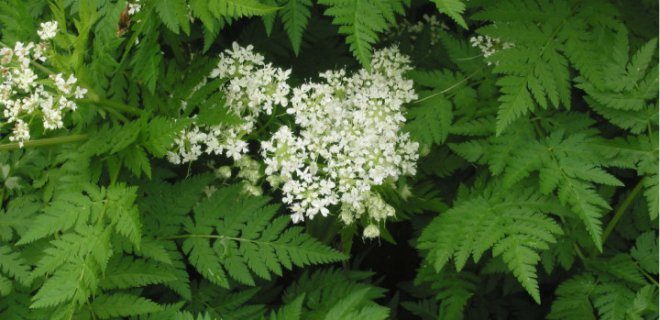
Parsley vs. Curly Parsley: The Real Difference
If you’ve ever picked up a bunch of green herbs at the market and wondered if those two look-alikes are interchangeable, you’re not alone. They belong to the same family, sure. But in the kitchen, they play completely different roles.
French cuisine relies heavily on one of them. You’ll find it stuffed inside vegetables, simmering in soups, tossed into salads, and used as a delicate garnish. This isn’t just decoration. It’s flavor.
Why One Herb Heals and the Other Seasons
The benefits of curly parsley (chervil) go beyond the plate. In traditional remedies, a porridge made from it has been used to soothe inflammation on the nipples of breastfeeding women. That’s a specific, practical application.
It’s also used like a salve. When mixed with marshmallow root (Althaea officinalis ), it creates a topical application for eczema sores. The same mixture can speed up healing for various wounds on the body.
Then there’s the common parsley (Parsley ).
While the curly variety takes on the medicinal role, the flat-leaf or common parsley is the workhorse for seasoning. It’s sharper. Brighter. It stands up to heat better.
So, which one do you use?
If you’re treating a sore or looking for a traditional healing agent, curly parsley is the choice. If you’re finishing a dish or building a flavor base, common parsley is your partner.
They look similar enough to confuse a novice. But for their purposes? They are distinct.
Which herb is in your fridge right now? And what problem are you actually trying to solve?
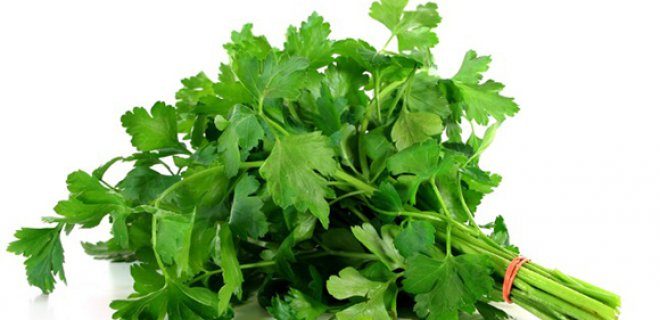
Parsley: Beyond the Garnish
Parsley is ubiquitous. It’s in the salads. The stuffed vine leaves. The olive oil dishes. The roasted veggies. The soups.
But here is the thing most people miss. You can eat the stems.
Don’t toss them. They pack a punch.
Why Parsley Deserves Your Attention
It’s not just about flavor. It’s about what’s inside.
Parsley is a powerhouse of Vitamin A and Vitamin C. It has beta-carotene too.
If your joints ache, regular consumption helps.
It does more than that. The smell? The taste? It opens your appetite. It aids digestion.
Bad breath? Parsley fixes that.
The Next Herb: Marjoram
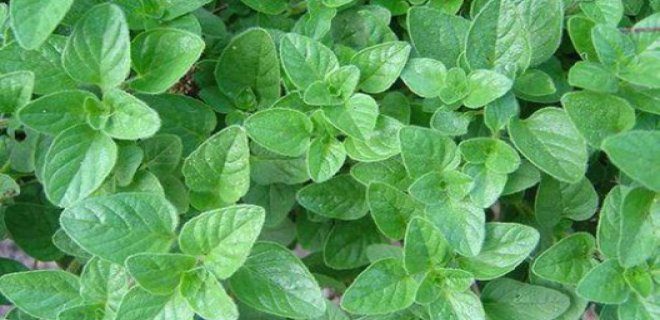
Melissa Herb
There is another herb that belongs to that same delicate, low-growing family. It looks almost like the previous plant we discussed—tender, small, unassuming. But don’t let the appearance fool you.
While the first herb (oregano) hits hard in sauces, meat dishes, and potato garnishes, melisa (lemon balm) has a different kind of power. It’s lighter. Softer.
Lemon Balm Benefits
It’s not just for tea. Though that’s where it shines most.
- Calms the nerves : If you’re stressed, anxious, or just wired too tight, this herb helps.
- Sleep aid : Poor sleep? Melisa can help you drift off.
- Digestive comfort : Like oregano, it soothes the gut. Bloating? Gas? It eases it.
- Mood booster : It has a gentle uplifting effect. Not a stimulant. A steadier kind of calm.
- Antiviral properties : Especially useful for cold sores. Apply the oil directly.
It’s the kind of plant you keep on the windowsill. Not because it’s decorative. But because you want it close.
When life feels heavy, steep a cup. Let it steep long. Five minutes. Maybe more. The smell alone is half the remedy.
Citrusy. Clean. Familiar.
You don’t need a garden. A pot on the balcony works. Or even a windowsill indoors. It’s forgiving.
And when you’re tired of the same old remedies? Try this.
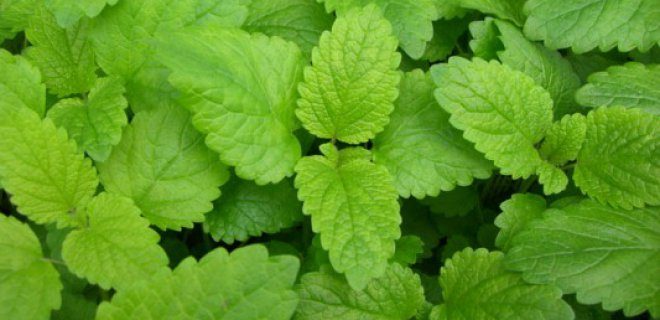
Lemon Balm: Why Is It Also Called Lemon Balm?
It is also known as Lemon Grass because it smells and tastes like lemon. This plant, which must be in your kitchen, is not only used as tea; It adds color and flavor to vegetable and fruit salads, drinks, soups and sauces. However, its benefits are as remarkable as its taste.
It is known for its soothing and calming effect on the nerves. This plant, which is consumed in times of tension, is very successful in relieving the body’s fatigue and weakness. In addition, it prevents premature aging with its anti-aging effect and delays the formation of wrinkles on the skin. It is also used as a natural solution against insect bites.
Marigold: Yellow Plant That Revitalizes the Skin
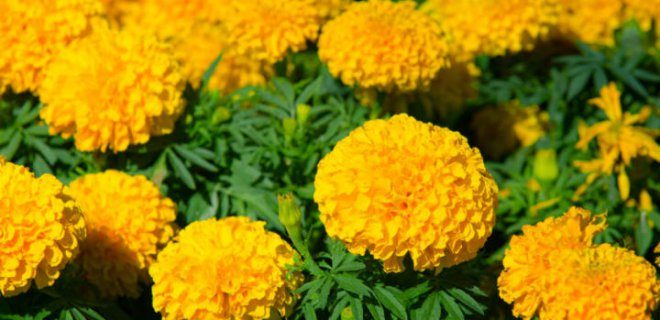
Marigold (Marigold), which comes from the rose flower family, is also known by names such as “peony” among the public, but it actually has a different feature. Its bright flowers in orange and yellow tones add color to gardens and are used for health.
The Unsung Hero in Your Pantry and Medicine Cabinet
You’ve likely seen it in the grocery aisle—those bright orange packets of marigold flowers. It’s the same herb used to color certain cheeses, candies, and even cakes. But look closer at the leaves and blooms. They carry a distinct, pungent aroma that lingers long after you’ve handled them.
It’s not just a garnish. It’s a culinary staple in regional cuisines. Toss it into pilafs. Stir it into meat or fish dishes. Let it simmer in soups or brighten up a fresh salad.
Why Marigold Is More Than Just Pretty
Beyond the kitchen counter, marigold offers tangible benefits for the body.
First, consider your skin. The herb has a soothing effect on wounds and irritations. It doesn’t just mask the discomfort. It actively helps injuries heal faster.
Then there’s the eye health angle. While topical applications are common, ingesting marigold may offer internal protection. Studies suggest it can help reduce macular degeneration. Experts believe it protects the eyes, acting as a shield against age-related decline.
Don’t overlook the oil extracted from the plant. If you’ve ever been stung by a bee or bothered by an insect, marigold oil is a trusted remedy. It calms the inflammation. It reduces the sting.
The Coriander Connection: Beyond the Spice Rack
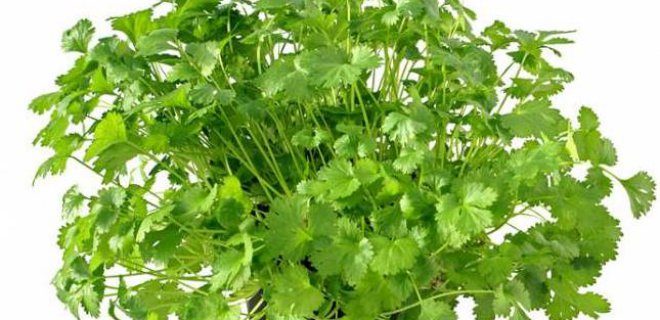
Now, shift your focus to another herb that often shares space in the garden and the cupboard: cilantro, or coriander herb.
While marigold deals with healing and protection, coriander herb brings its own set of utilities. It’s not just about the seed you grind into curry powder. The fresh leaves? They’re a different beast entirely.
In many cultures, coriander leaves are essential. They cut through rich flavours. They add a citrusy brightness to salsas, curries, and tacos. But like its marigold counterpart, the fresh herb has medicinal roots.
Traditional medicine uses it for digestive issues. It helps settle the stomach. It reduces bloating. Some studies indicate it may help lower blood sugar levels, though you shouldn’t replace medication with a garnish.
Where marigold soothes external trauma, coriander often works internally. It’s a dual-purpose plant. Eat it for flavor. Use it for wellness.
The line between food and medicine is thinner than we think. We treat ingredients as separate categories. One for the plate. One for the cabinet.
But look at what’s growing in your window box. Look at what’s in your spice jar. The answers aren’t always in the prescription bottle. Sometimes they’re in the soil.
Which one do you reach for first?
Mint: The first stop against colds
There is almost no plant that is as widespread and found in every corner in the world cuisine as mint. In our case, the situation is not limited to leaves thrown into lemonade. Sometimes spicy, sometimes medicinal. Mint is indispensable in the home first aid kit, especially during cold and flu periods.
Benefits of Peppermint
The real secret of mint is in its menthol and menthone components. These substances open the respiratory tract. Peppermint oil or steam inhalation is a practical solution, especially for those who have trouble sleeping at night, as it relieves your stuffy nose. It is also effective on the digestive system. It stops nausea and relieves gas problems.
It has very strong antiseptic properties. For oral health, teas containing mint or mint mouthwash can be used to prevent bad breath and reduce gingivitis. However, excessive use may trigger reflux in the stomach. Those with sensitive stomachs need to be careful.
Mint is also known for its cooling effect, especially in summer. It helps balance the body’s temperature. This feature is one of the most sought-after benefits of mint.
Daisy
Chamomile is not only known as flower tea. You may have also seen it used as a decoration in meals. But his real power comes out when he drinks it.
Benefits of Chamomile
Chamomile is one of the best friends for the nervous system. It reduces anxiety and relieves stress. For those who suffer from insomnia, a glass of chamomile tea before going to bed helps relax. The antioxidant it contains, called apigenin, has a calming effect by interacting with certain receptors in brain cells.
It also has anti-inflammatory properties. When applied externally for skin problems, it relieves redness and irritation. Chilled chamomile tea bags are known as a traditional remedy for under-eye puffiness.
Nettle
Misunderstood nettle, which looks scary with its thorny structure, is actually a healing paradise. It is easy to grow in your gardens.
Benefits of Nettle
Nettle provides powerful support for iron deficiency anemia. It is a blood builder thanks to its iron content. Blood during menstruation in women
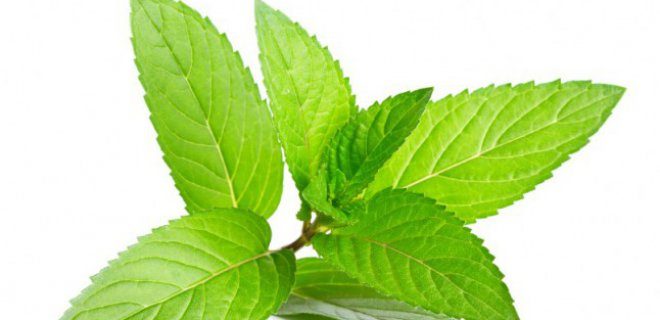
Mint. It is not just a plant, it is the leading actor of everything in the kitchen. From stuffing to soup and even those light salads, it’s available in every corner. Its scent is so clear that when it enters your nose, you suddenly feel refreshed. But it’s not just a matter of smell.
Effects of Mint from Digestion to Memory
Do you have a headache? Mint comes into play. It is often seen as an alternative to painkillers, but it actually works on its own as well.
More importantly, if your stomach is upset, mint can help you. It balances your digestive system. Sorry, it doesn’t just “heal”, it balances. This difference is big.
Even if you have difficulty breathing or your airways are blocked, mint is at work here too. If you want clarity instead of blurriness before your eyes, peppermint paves the way.
There is another interesting detail. If your brain is tired and your memory ability is decreasing, mint can strengthen that memory. Focus instead of confusion.
Potential of Musk Grass
mugwort Even its name gives off a mystical atmosphere. So what does this plant do?
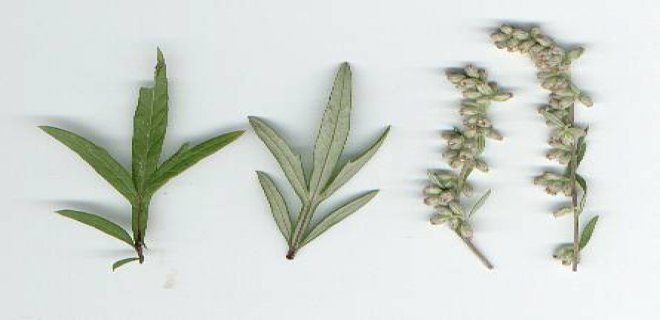
Resene Herb
Resene herb, commonly known as shenhil, has maintained its place as one of the most used medicinal herbs on the kitchen shelf for many years. This herb, which stands out with its sweet, anise-like scent, is a frequently used remedy in traditional methods, especially for digestive problems and gas complaints. So, what exactly does resin herb do and how should it be used?
Usually consumed in tea form, resin is effective in relieving nausea and reducing bloating. Some research shows that this herb may also be helpful in relieving colic pain. However, caution is necessary during pregnancy or for those with special health conditions. Reports that the plant may affect hormone balance require regular consumption without medical supervision.
In the kitchen, fennel herb is not only a source of healing but also flavorful. When added to fish dishes, especially white fish, it creates a spicy effect and balances the taste. Plus, a few sprigs added to yogurt sauces or lentil soups add a refreshing, light touch to the dish. Remember, overuse may not always yield good results. It is best to be in moderation to maintain balance and get the maximum benefits of herbal teas.
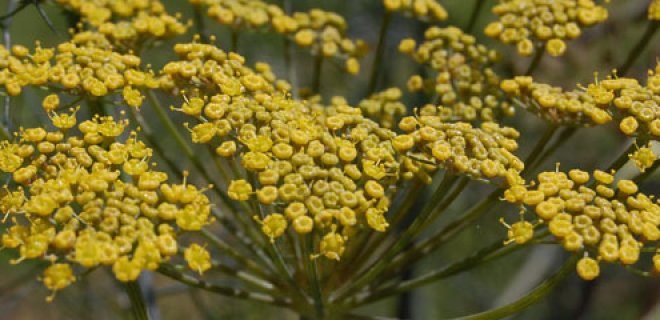
Fennel: The Unsung Hero of Your Kitchen
You know that distinct anise flavor? That’s fennel. It’s an herb that smells like dill, but it’s far more versatile than most people give it credit for.
Chefs love it for fish. It cuts through the wealth. But don’t stop there.
Toss the fronds into a crisp green salad. Stuff them into stuffed vegetables. Use them to flame-sear your meats for a sweet, aromatic crust. It’s not just a garnish; It’s a flavor bomb.
Why Fennel Belongs on Your Radars
Beyond the taste, this herb packs a quiet punch for your body.
- Appetite regulation: It’s naturally appetite-inducing. If you’re having a light day, a fennel tea might nudge you back to the table.
- Eye health: Traditional use points to benefits for vision.
- Iron support: It’s linked to helping with anemia, making it a thoughtful addition to meals if you’re tracking blood health.
- Sexual vitality: Yes, really. It’s historically used to boost libido.
- Nervous system: It calms the nerves. Think of it as a gentle hug for your stress levels.
Borage

The Middle Eastern Herb You Need to Know
That herb originating from the Middle East? It is incredibly versatile. You can infuse it with vinegar for a sharp kick. Use it in dressings. Toss it into salads. Spread it on couches—that’s open-faced sandwiches with cream cheese. Or stir it into yogurt for a quick dip.
Why Borage Herb Matters
The benefits aren’t just about flavor. This plant is packed with calcium. That means better bone health. It also holds significant potassium. This mineral protects your heart and blood vessels. It helps keep blood pressure stable.
“borage herb acts as a natural diuretic, helping the body manage fluid retention effectively.”
If you are dealing with edema, the diuretic properties here offer real relief. It helps the body flush out excess water. Simple, natural, and effective.
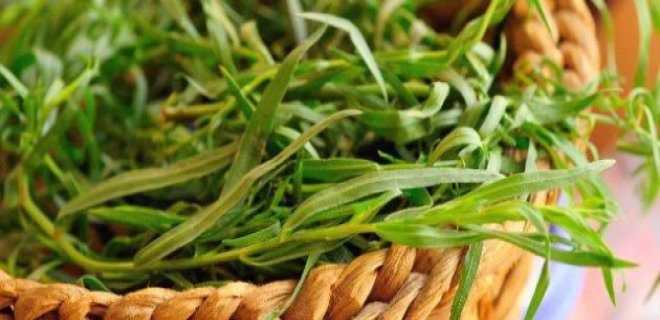
Tarragon Herb
Curry: Beyond Yellow Powder
Curry powder. That vibrant yellow powder you often find on supermarket shelves. But actually curry is not a single herb. A mixture.
The heart of Indian cuisine beats here. Sometimes turmeric is used alone, sometimes it is where hot pepper, ginger, cinnamon and cloves meet. A perfect blend of spices.
Turmeric is the most important ingredient of curry mixtures. Known for its anti-inflammatory properties, this plant calms the digestive system. It is no coincidence that it is good for stomach disorders.
So why is it so popular? Because its flavor is deep. It goes well with both sweet and salty dishes. A range ranging from chicken rice to lentil soup and even some dessert recipes.
How to Use Curry
It is important to use it correctly. Too much may hurt. Less than that is not noticeable.
- Chicken and Fish: The most classic accompaniments.
- Lentils and Chickpeas: Perfectly compatible with plant-based protein sources.
- Cauliflower and Potato: Highlights the natural flavors of vegetables.
Roasting gently over the fire is also a secret. Instead of throwing it directly into the dish, fry it in a little oil or butter first. This process releases the aroma of the spices. If you add it only in powder form, the flavor may not be as strong.
Benefits and Warnings
Digestive friendly. It regulates bowel movements when consumed regularly a day. But be careful.
- Anemia: Consumption of high amounts may affect absorption.
- Stomach Disorders: If you have a sensitive stomach, avoid consuming it on an empty stomach.
- Pregnancy: Excessive consumption is not recommended. Consult your doctor.
Which Curry Should You Choose?
Tasting is a personal preference. Some people like pain. Some are milder, spicy ones.
- Madras Curry: More bitter and stronger.
- Gentle Curry: Softer, slightly sweetish.
- Kerala Curry: More intense and spicy.
Instead of ready-made mixtures in the markets, it is also an option to buy spices separately and make your own mixture. Turmeric, cumin, cumin, cloves… Which proportions are right for you? Find out by trying.

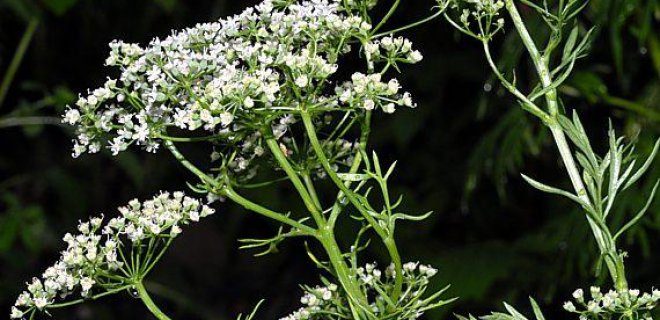
Anise: Stomach-Friendly and Calming
You often encounter it in Indian cuisine. But the real story starts here. Its seeds are ground into powder. Fresh leaves are also preferred. It is included in some buns and biscuits. It is the essence of drinks such as raki. It has a special place in Chinese culinary culture. A must for five spice blends.
So why is anise so popular?
It strengthens the stomach. It takes the gas. Ideal for those looking for a soft solution, not a sharp movement. A herbal friend for those suffering from cough. It is good for those who suffer from insomnia. It is known for its soothing effect. Want to quiet your thoughts at night? Anise may do the trick.
Juniper Seed
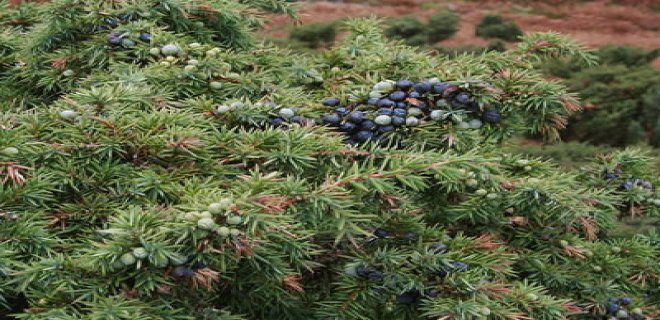
Juniper Berries: The Culinary Backbone of German and Eastern European Cuisine
Let’s be honest, if you’ve ever eaten traditional German sausage or a rich venison stew, you’ve likely encountered juniper berries (Jundus seed ) without even realizing it. They aren’t just a garnish; They are the defining aroma of these dishes. In Turkish culinary terms, we call this Hemp or simply the berry of the juniper tree. It has a distinct, piney scent and a citrusy zest that cuts through the heaviness of game meats.
Why Juniper Berries Matter in Your Kitchen
You might wonder why a berry that tastes like pine is so essential in cooking. It comes down to chemistry and tradition. The potent essential oils in juniper act as a natural tenderizer. When you marinate game animals—like deer, boar, or beef—in spices including juniper, the compounds break down tough muscle fibers. This makes the meat softer and more palatable.
But it’s not just about texture. The flavor profile is complex. Juniper adds a resinous, slightly citrusy note that balances the gaminess of wild game. It’s also a staple in sausages, where it provides that sharp, clean finish you associate with high-quality cured meats.
“Juniper berries are not just a spice; they are a culinary tool for transforming tough, gamey meats into tender, flavorful meals.”
The Historical Health Connection
Historically, the uses of juniper go far beyond the kitchen. In ancient Egypt, these berries were prescribed for digestive issues. Fast forward to today, and while we rely more on modern medicine, the traditional uses remain relevant in herbal circles.
Here is what the literature—and old folk remedies—suggest about Juniper Seed (juniper seed/berry) benefits:
- Appetite Stimulant: The sharp flavor can wake up a sluggish palate, making it useful for those with low appetite.
- Digestive Aid: It is known to help relieve gas and bloating in the stomach and intestines. The oils help soothe the digestive tract.
- Blood Sugar Support: Some traditional sources indicate that juniper may help lower blood sugar levels, though you should always consult a doctor for diabetes management.
- Anemia Support: It contains nutrients that were historically used to combat anemia, suggesting it may help with blood health.
While modern science is still catching up on some of these claims, the anti-inflammatory and antioxidant properties of juniper are well-documented. Just remember: these are potent. A little goes a long way.
Safflower: The Unsung Hero of Spices
Speaking of unsung heroes, let’s talk about Aspir. In English, this is known as allspice. Despite the name, it’s not a blend of three spices. It’s the dried berry of the Pimenta dioica tree, native to the Caribbean and Central America.
Allspice gets its name because its flavor profile resembles a combination of cinnamon, nutmeg, and cloves. This makes it incredibly versatile. If you are making a Jamaican jerk marinade, a traditional German sauerkraut, or a rich Turkish stew, allspice provides that warm, deep background note that ties everything together

The Kitchen Pantry Staple You’re Likely Underestimating
That prickly, leafless plant standing about 20 to 24 inches tall? It’s not just decoration. It’s safflower —a botanical heavyweight in regional cooking and medicine. You’ve probably seen it used to add a deep, earthy hue to stews and sauces. But its utility doesn’t stop at the plate.
Why Safflower Is a Cold Season Savior
When the blur or a stubborn cold hits, safflower seeds aren’t just a spice. They’re a tool. Historically and practically, these seeds are prized for inducing perspiration. Think of it as a natural way to flush out toxins.
For anyone fighting off a viral infection, this isn’t about magic. It’s about physiology. The induced sweating helps the body expel waste products more efficiently. If you’re feeling that heavy, toxic fatigue that comes with a fever, warm safflower tea might be the practical, low-tech solution your grandmother swore by.
Peppercorns: The Sharp Contrast
Speaking of seeds that pack a punch, let’s pivot to the world’s most common spice: black pepper.
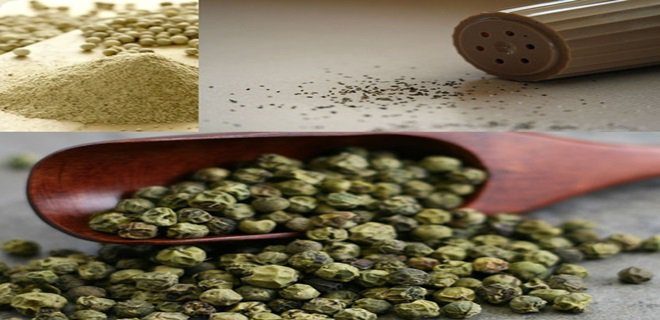
Black, White, and Green Peppercorns: Choosing the Right Spice
You can’t really cook without pepper. It’s the default spice. But assuming all pepper is the same is a mistake. The variety changes everything about how your food tastes.
Black Pepper
This is the standard. The one on your table. It’s used almost everywhere.
White Pepper
This is black pepper with the outer skin removed. The result is stronger. More pungent. Less aromatic. Use it sparingly. It’s perfect for light-colored dishes where black specks would ruin the look. Think creamy soups, white sauces, and mashed potatoes. The heat hits different here. It’s earthier.
Green Pepper
Harvested before it fully ripens. Dried in the shade to keep that vibrant color. It’s lighter on the palate. The flavor is floral and slightly fruity. You’ll see it in salads or as a garnish. It doesn’t overpower. It just adds a hint of freshness.
Mustard
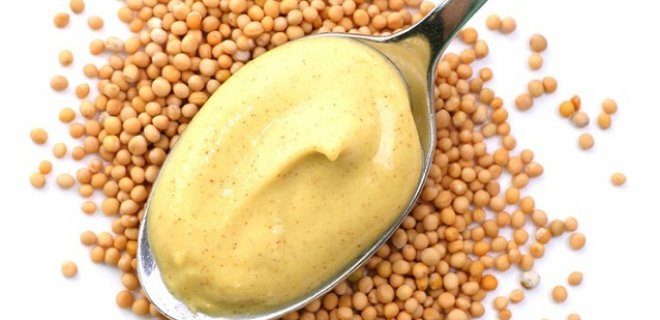
Mustard isn’t just that yellow condiment in the deli aisle. The truth is, white mustard seeds produce a paste that leans closer to creamy beige than bright yellow. Powdered mustard? That’s a blend of ground white and black seeds mixed together. Then you have the creamy jarred stuff you probably keep in your fridge—it’s the result of adding vinegar and salt to the grind.
What Mustard Actually Does for You
Spices get a lot of hype, but mustard has real, documented benefits. Experts point out that it’s far more than a flavor booster. It aids digestion. If you’re struggling with constipation, mustard can help move things along.
It’s also a remedy for the chest.
Traditional and modern herbalists alike suggest it helps with respiratory issues. Think bronchitis. Think pneumonia. Think general congestion. The heat from the mustard might help clear things out, making it easier to breathe when your lungs feel heavy.
Black Cumin (Black Cumin)
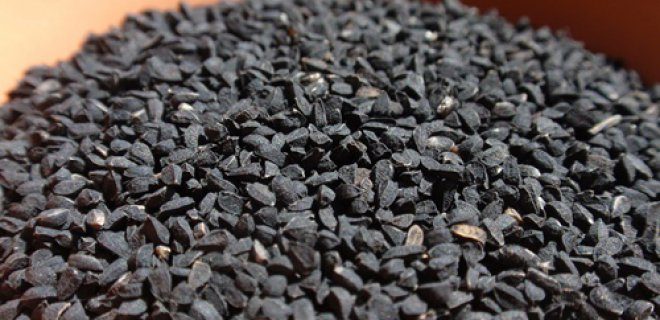
Black seeds look like sesame, but they are something else entirely. Nigella seeds—derived from the wild onion plant—carry a sharp, peppery kick. You have likely seen them sprinkled on breads, flatbreads, and pastries before they hit the oven. Some bakers even fold them into cakes and biscuits for a subtle bite. The real draw? They are gentle on digestion.
Why Nigella Seeds Are a Gut Health Powerhouse
Experts consistently point to nigella seeds for their robust support of the immune system. Beyond just keeping you healthy, they actively help lower blood sugar levels. They tackle anemia by preventing it and help thin the blood, which is crucial for circulation.
But the magic happens inside your cells. These seeds promote cellular renewal, essentially helping your body repair itself at a microscopic level. Meanwhile, your digestive tract stays smooth and efficient. It is not just a garnish. It is functional food.
Poppy Seeds
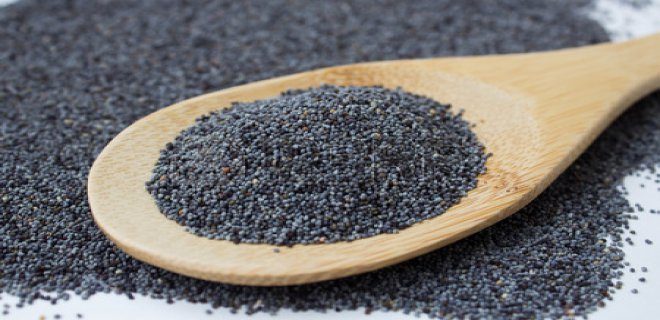
You find poppy seeds everywhere if you know where to look. They are the quiet workhorses of kitchens in India, Israel, and across the Middle East. But they don’t stay in those regions. You see them tucked into bread. Squished into buns. Hidden inside biscuits and pastries like borek. The way you use them depends on where you are.
There is a reason they’ve been used for so long. It isn’t just about texture.
Why poppy seeds belong in your pantry
The benefits go beyond flavor. These tiny seeds have a history of being natural pain relievers. That isn’t new information. But modern interest is shifting towards their nutritional profile.
Poppy seeds lower cholesterol and help regulate blood pressure. If you have irregular spikes in your pressure, these seeds might help stabilize things. They also balance the immune system. It’s subtle. You won’t feel it happening immediately. But the cumulative effect matters.
How to use poppy seeds in everyday baking
You don’t need a fancy recipe to get started. The best part of poppy seeds is their versatility.
- Sprinkle them on bread. Just before the loaf comes out of the oven. They toast slightly. Add a nutty crunch.
- Mix them into muffins. Blueberry poppy seed is a classic for a reason. The seeds don’t overpower the fruit. They add depth.
- Use them in cookies. Crushed poppy seeds work well in shortbread. They provide a slightly gritty texture that contrasts with smooth dough.
- Bake them into pastries. Think pastries. The seeds bind with cheese or spinach. They keep the filling from drying out completely.
The Galangal connection
Galangal is where this gets specific. It is a traditional Turkish sweet. You will often find poppy seeds inside it. The dough is dense. The filling is sweet. The seeds provide an earthy counterpoint to the sugar.
If you are looking for traditional Turkish poppy seed recipes, Galangal is a starting point. It shows how the seeds integrate into dough without taking over. They become part of the structure.
Can you eat too many poppy seeds?
They are safe. In moderate amounts. The pain-relieving properties are mild compared to derived opioids. But they are potent enough that history treats them with respect.
Start small. Add a teaspoon to your yogurt. Mix a tablespoon into your pancake batter. See how your body reacts. The immune boost won’t hit you like a flu shot. It will feel like stability.
Why not start with toast? Just butter and seeds. Simple. Honest. No fuss.
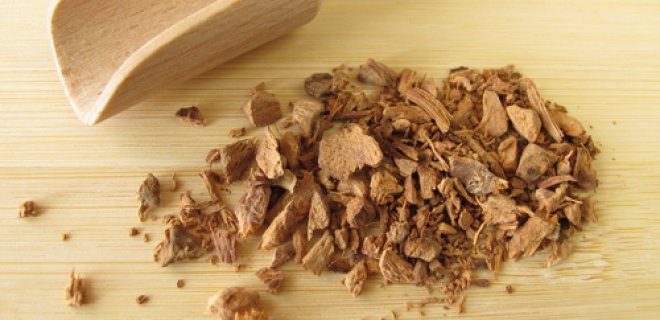
The Unsung Hero: Saffron’s Role in Regional and Asian Cuisines
We often talk about saffron, or galaxy in Turkish, as just another spice in the drawer. But let’s be clear: it’s the root of a flower with strikingly beautiful blossoms, and it works harder than most ingredients you toss into a pot. It’s not just for show.
If you’re dealing with a stubborn lack of appetite, this isn’t the time to skip dinner. Saffron has a reputation for getting back to work—literally. It helps flush out trapped gas in the stomach and intestines while giving your body’s energy levels a quiet boost. Think of it as a reset button for your digestion.
“Saffron isn’t just a flavoring; it’s a functional tool for managing digestion and immunity.”
When you’re stuck in the flu of a cold, flu, or nasal congestion, saffron steps in as a natural ally. It doesn’t cure you overnight, but it supports your body’s ability to push through the sickness faster. It’s about easing the symptoms so you can actually function.
The Authentic Chinese Five-Spice Blend
Speaking of complex flavors, let’s talk about Chinese Five-Spice Powder. You don’t need a lab to make it, but you do need precision. This isn’t a random mix. It’s a specific marriage of five distinct ingredients:
- Star anise
-Cinnamon - Cloves
-Fennel
-white pepper
The ratio matters. Too much white pepper and it burns. Too much cinnamon and it tastes like a dessert. When done right, it’s savory, sweet, and slightly pungent. It’s the standard for beef and pork dishes in many East Asian cuisines. If you’re roasting meat, this powder cuts through the richness without overpowering it.
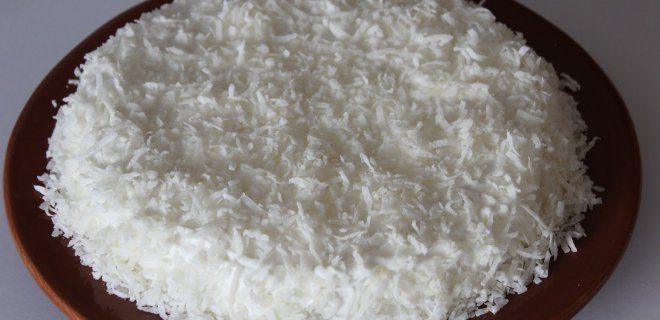
Coconut: The Tropical Staple
Coconut (Coconut ) is another heavyweight in the pantry.
Cardamom
After walnuts, it’s time for cardamom, the most mysterious of spices. Even its name sounds like it comes from a different world. It is called “the spice of queens”. So why are these little green beans so special?
What is the Secret of Cardamom?
Cardamom comes from the ginger family. It is actually the dried seed pod of a plant. Its appearance is small, triangular and in light greenish tones. The taste is complex. It has a structure reminiscent of mint, eucalyptus and even a little cinnamon. This complex profile makes it suitable for everything from teas to desserts.
Why Should Cardamom Be Preferred?
It is important not only for taste but also for health. It has been used in traditional medicine for a long time.
– Supports digestion.
– It relaxes the respiratory tract.
– It is a natural tool for fresh breath.
How to Use?
Consuming cardamom alone can be boring. It occurs when combined with other ingredients for best results.
1. Teas: A mixture of cloves, cinnamon and cardamom works great in “maté” style drinks.
2. Desserts: Like coconut, cardamom is also used in baked goods. It is especially indispensable for cookies and cakes.
3. Main Dishes: Adding a few seeds to meat dishes, especially red meat, adds depth. It also gets along well with chicken.
Nutritional Value and Benefits
Cardamom is a low-calorie option. However, it is not empty in terms of nutrients.
– It has anti-inflammatory properties.
– It is a storehouse of antioxidants.
– There are studies showing that it can help blood sugar balance.
It is not rich in vitamin content, but its mineral balance is good. It contains calcium, iron and magnesium. These minerals are important for bone health and energy metabolism.
“Cardamom is not just a taste, it is an experience. When chewed slowly, its aroma is slowly released.”
Who Is It Suitable For?
Generally a safe spice. However, excessive consumption may cause nausea.
– Pregnant women should consult their doctor.
– Those with stomach sensitivity should start with small amounts.
Where to Find It
It is found in the spice section of many large grocery stores. It is possible to find fresher and stronger flavored types, especially in eastern markets or online specialty stores. Fresh cardamom is stronger than dried.
**Comparison
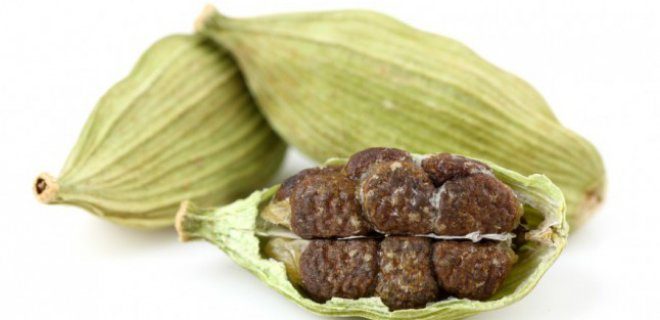
Cardamom is the quiet workhorse of spice cabinets. You see it everywhere in Indian and Middle Eastern cooking but rarely notice the plant behind the magic. It belongs to the ginger family. The green pods contain seeds that deliver flavor. The fruit plays a role too. It adds depth to rice dishes. It brings warmth to stews.
Health Benefits of Cardamom
Spices do more than taste good. They heal. Cardamom stands out for gut health. It settles the stomach. It supports kidney function. That matters. We live in a world of processed food. Our digestion takes a beating. This spice helps.
Bad breath is another enemy. Cardamom fights it. Chewing the seeds clears the mouth. It works faster than gum. It feels natural. Think about breathlessness too. Upper respiratory issues can feel heavy. Cardamom lightens the load. It opens the airways.
Then there is the big one. Cancer prevention. Research suggests cardamom has protective properties. It is not a cure. It is a shield. Daily use matters. Add it to your morning oatmeal. Sprinkle it in coffee. It becomes part of your routine.
Clove
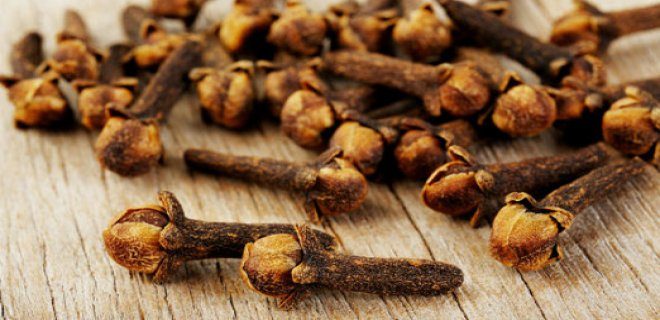
Clove: The Tiny Spice With a Big Bite
Clove isn’t just a pretty thing on a pumpkin spice latte or a holiday wreath. It’s the dried flower bud, complete with stem and calyx, and it packs a punch that’s been recognized for centuries. You’ve probably chewed on one to kill bad breath. Or maybe your dentist has used it. It’s sweet, spicy, and surprisingly versatile in liqueurs and mulled wine.
Why Clove is a Household Hero
Among spices, clove is arguably the most potent. It’s famous for a reason. When your tooth throbs, clove oil is often the first line of defense. It’s also a go-to for itching and nausea. The antimicrobial properties tackle coughs and stale breath head-on. Feeling run down? Or catching a cold? Clove helps push back against fatigue and congestion. It’s not magic. It’s chemistry.
Celery Seed
**
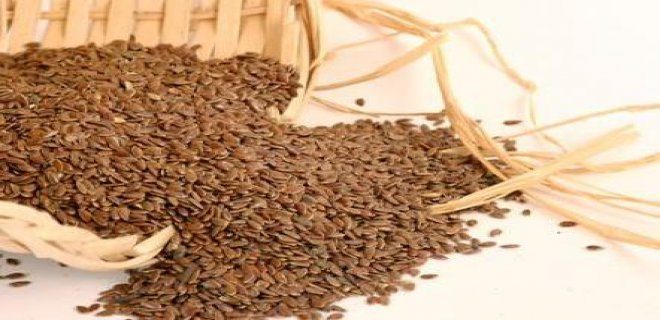
Celery seeds pack a punch. Sharp. Bitter. Distinct. They belong in Italian soups, stew pots, and yes, pickling jars. But the real story isn’t just the flavor. It’s what they do inside the body.
The Hidden Power of Celery Seeds
You might think of celery as just a crunchy snack. Ignore that. The seeds are a different beast entirely. They act as a stimulant for your endocrine system. Specifically, they wake up the endocrine glands and adrenal cortex. That’s a mouthful, but it matters.
Why does this matter for modern women?
Because stress drains those adrenals. Celery seeds help jumpstart the machinery back up. It’s not magic. It’s biology.
They clean the blood. Sounds dramatic, but it’s true. They help filter out toxins while acting as a potent diuretic. More urine output means less bloating. If you’re holding water like a sponge, this is the switch to flip.
And there’s another layer. Memory fog? The seeds help with that. Unforgetfulness. They sharpen the mind while clearing the physical clutter.
But let’s get to the thing no one wants to talk about at brunch.
Libido.
Celery seeds are historically known as a sexual vigor booster. They stimulate the glands responsible for hormonal balance. For women feeling disconnected from their desire, or just running on empty, this spice offers a subtle, natural nudge. It’s not an aphrodisiac in the movie sense. It’s a restorer.
How to Use Them Without Overpowering Your Palate
You don’t need a spoonful. That’s bitter. You need precision.
- Pickling : Add half a teaspoon to your brine. It adds depth to cucumber or carrot krauts.
- Stews : Toss them in during the last 10 minutes of cooking. Heat releases the oils.
- Soups : Stir into tomato or vegetable broths. They mimic the flavor of the stalk but with less volume.
The Verdict on Celery Seeds
Is it a miracle cure? No.
Is it a useless garnish? Also no.
It’s a functional ingredient. One that bridges the gap between food and medicine. You get cleaner blood. Better memory. A little more energy in the bedroom. And a kick in your soup.
What’s the catch?
Too much will ruin the dish. The bitterness is real. Measure twice. Taste first.
Start small. See how your body reacts. Feel the difference in the morning lightness. Notice the spark later.
It’s simple. It’s effective. And it’s sitting in your pantry, waiting to be used.
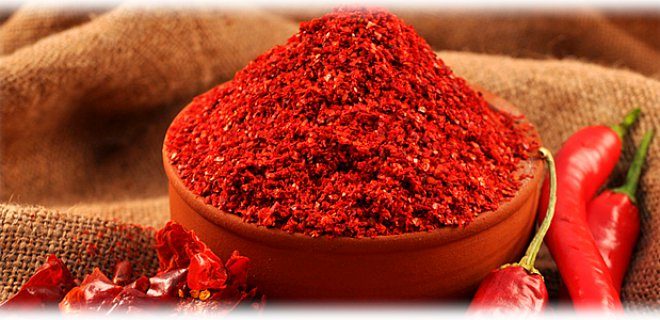
Why Dried Red Pepper Is a Kitchen Staple (And What It Actually Does for You)
Dried red pepper isn’t just for heat. It’s ground-up capsicums, dried to concentrate that flavor. You toss it into sauces. You sprinkle it on soups. If a recipe calls for a mild kick, this is usually the go-to.
But there is more to this red dust than just spice.
The Science Behind the Spice
The real heavyweight here is lycopene. This antioxidant is famously linked to fighting cancer. Specifically, research points to prostate, pancreatic, and uterine cancers.
“Dried red pepper is packed with antioxidants that help reduce the risk of heart disease.”
It’s not just about cancer. It’s about your heart health too. The antioxidant load helps lower cardiovascular risk.
Then there’s metabolism. This spice speeds things up. It raises body temperature. That increased heat forces your body to demand more oxygen. The result? You burn more calories. It’s a subtle boost, but one that adds up.
Choosing the Right Heat Level
Not all dried red peppers are created equal.
If you need heat, look for varieties labeled “hot” or “spicy.” These retain more capsaicin—the compound that makes your mouth burn. If you prefer flavor without the fire, opt for sweet or mild varieties. They provide that deep, earthy red pepper taste without the nose.
Which one you choose depends entirely on what you’re cooking. A delicate fish sauce? Skip the hot version. A hearty stew? Go for the spicy stuff.
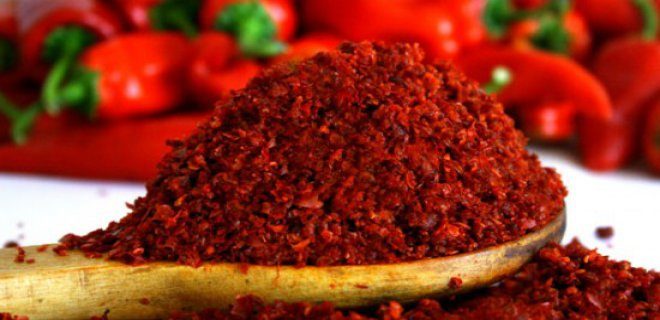
Cumin
Cumin seeds. Small. Black. Brown. Slightly curved.
The heart of Anatolian cuisine beats here. Choose the one with the most dominant scent on the spice rack, not the one with the palest color.
Benefits of Cumin
Traditional solution to stomach problems. It takes the gas. It reduces bloating.
It is known to be effective on sugar metabolism. It may help reduce insulin resistance. It supports blood sugar balance.
Calcium storage. A small but powerful friend for bone health.
It has high iron content. It stands out with its blood-forming effect. A natural support for those at risk of anemia.
It has antioxidant properties. It contributes to the body’s fight against free radicals.
How to Use Cumin?
Instead of adding bread to your meals later, roast them in oil to release their scent.
- Lentil soup: Almost mandatory.
- Egg: Sprinkle on cooking egg.
- Meat dishes: Roast, stew.
- Soup: Chickpeas, beans.
Do not throw away the powdered form directly. Warm it slightly first. Its smell changes. It gives a deeper flavor.
Frequently Asked Questions About Cumin
Who is cumin good for?
Those with stomach problems. Those who suffer from gas complaints. Those who want to balance their blood values.
Are cumin and cumin seeds the same?
It comes from the same plant. Seeds are used directly. The powder form is the ground form. The powder form disperses faster. Seed halide storage time is longer.
Is cumin good for cancer?
Some studies show it may have anti-cancer effects. But it is not a definitive cure. It plays a supporting role.
What are the side effects of cumin?
Excessive consumption may cause stomach irritation. Pregnant women should consult their doctor. Those who use blood thinners should be careful.
Which spice goes well with?
Cumin and agriculture. Cumin and cumin herb. Cumin and turmeric. Cumin and cumin seeds.
Where to Find Cumin?
It is everywhere in the market. But it is important to find the fresh one.
- Grocery: Basic items.
- Bazaryeri: In granular form.
- Online: Private brands.
Fresh seeds are more aromatic. Powdered cumin loses its taste quickly. When buying, choose fresh.
**
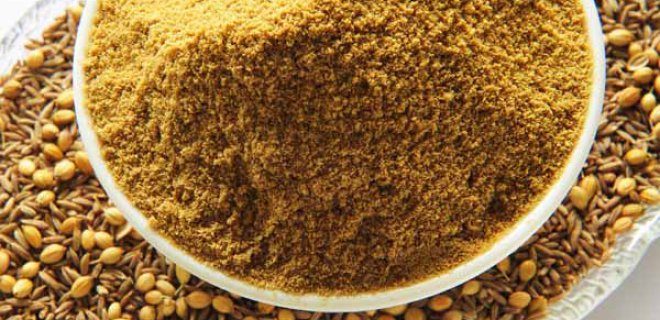
Powdered coriander
Keep the sharp, slightly bitter taste of cumin in your mind. But today’s story is a little lighter, a little sweeter. Coriander.
Coriander seeds. Small, brownish. It has a slight orange essence-like scent. Its aroma lies somewhere between citrus and spice. It is not as aggressive as cumin. More gentle.
If we look at it from a health perspective. Coriander is not an ordinary spice like cumin. It has a strong relationship with the digestive system. It is a known fact that it is good for heartburn. It relieves gas problems. It helps with problems such as constipation.
What about for the skin?
Coriander powder is full of antioxidants. Supports skin health. Do you want to brighten your face? You can try a mask with coriander. Or by drinking. Cleansing from inside the body is always more effective.
It is also spoken about hair. Coriander oils act against hair loss. It is said to strengthen the roots. Of course, it does not create miracles on its own. It makes sense when combined with a balanced diet.
In what cases should it be preferred?
- If you feel chronic fatigue
- If you have nausea
- If you want to support your immune system
Coriander can be a quiet friend on these points.
Cumin or coriander?
The answer to the question depends on your food. Spicy lovers prefer cumin. Those who like sweetish coriander. But know this. Neither of them come from the same family. Different plants. Different effects. But they are both silent heroes of the kitchen.
How should it be used?
In some recipes, coriander seeds are roasted first. This releases the aroma. When it is turned into powder, it can be consumed with tea. Or it can be mixed into yoghurt. Practical. Effective.
Don’t forget. Spices are not medicine. It is supportive. Instead of overdoing it, use it in moderation. Adapt to the rhythm of your body.
A cup of tea. A little coriander in it. In the evening. Peace.
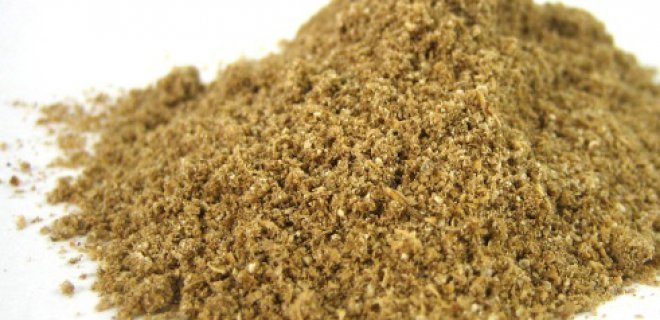
Karaman Cumin: Oltu and Other Small Spices Mixed with Walnuts
The fruits of coriander are used not only for making candies or pickles. It is also used in some baked dishes and meat side dishes. People who see herbs as garbage also encounter the spice value of these fruits.
Cilantro benefits include reducing skin inflammation and lowering cholesterol. It regulates blood pressure. It balances the heartbeat. It is good for oral health. It also supports eye health. It reduces stress.
Caraway Cumin
Karaman cumin is a small spice species grown in southern Türkiye. It shows similar properties when mixed with walnuts. Oltu is a similar type of spice.
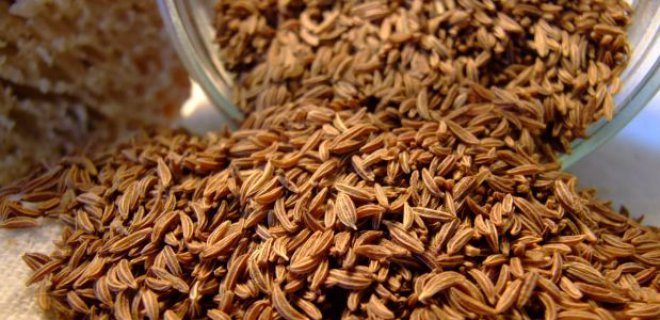
Curry Powder: The Truth Behind the Yellow Color
Curry powder. That powder is stored in a glass jar in most of our closets, rarely used and forgotten. But the truth is, it might be your kitchen’s most useful secret.
Curry is not an indexed spice. It’s actually a mixture. Cumin, ginger, coriander, turmeric… They all meet here. And it is precisely this diversity that makes it valuable not only for taste but also for health.
Why Should You Consume?
Curcumin, the main ingredient of turmeric, reduces inflammation. A little line of defense against those invisible fires in your body. It is also a good option for those who want to balance cholesterol. Associated with lower heart risk factors.
How to Use?
Simple. It integrates directly with your meals. One teaspoon into lentil soup. Saute the chicken at the last minute. It can even find its way into your smoothies. In fact, he also writes about dessert. It finds a great place in coconut milk desserts.
Things to Pay Attention to
Don’t overdo it. It leaves a rancid taste. If you have a sensitive stomach, it makes sense not to consume it on an empty stomach. It can speed up bowel movements. This can sometimes lead to an unpleasant situation.
Which Brand?
There is a wide variety on the market. But essentially it’s the same powder. Only the rates change. Some highlight the pain. Some sweetness. Choose according to your own taste.
Where to Find It?
It’s on the shelves in every supermarket. But if you are looking for fresher and purer food, head to organic markets. It is also available on stalls in village markets. From coast to corner.
What’s the Difference?
Fresh inedible curry. In dried form. This preserves nutritional values. But essential oils fade over time. Therefore, keep your jar with a lid and in a cool place. It will last longer if it is not exposed to light.
What are its accompaniments?
Yogurt. It is in perfect harmony with yoghurt. It is also very suitable for boiled vegetables. Potatoes, carrots, zucchini… They all shine bright with it.
Suitability
They are pregnant. Must be careful. It should not be consumed without consulting your doctor. It is not suitable for babies either. The gastrointestinal system is not fully formed yet.
Conclusion
Curry powder. It is not a simple spice. A small healing garden in your kitchen. Don’t forget. little touch
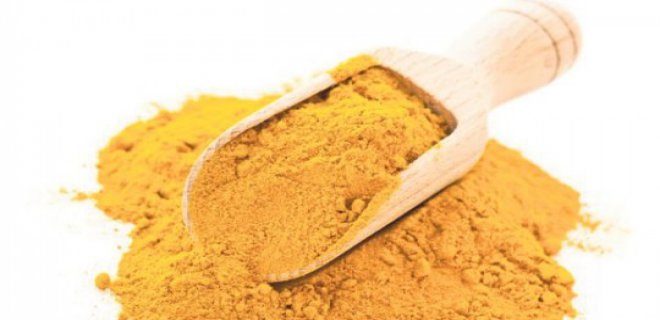
The Complex Reality of Curry
Most people think of curry as a single spice. It isn’t.
In India, this flavor profile is often sold as a powder, but the reality is far more chaotic. Every chef has their own version. The heat level shifts wildly from kitchen to kitchen. You are usually looking at a mix of onions, coriander, tamarind, turmeric, chili powder, cumin, fenugreek, mustard seed, black pepper, cardamom, ginger, and cloves.
It is a sauce base. You use it on chicken. Beef. Lamb. Mushrooms. Rice. It changes everything.
Why Curry Works for Weight Management
The benefits aren’t just about taste. They are chemicals.
Curry contains curcumin. This compound has a specific job: it helps flush toxins from your body. But there is another layer.
Curry powder is satiating. It makes you feel full faster. If you are someone who tends to overeat, a pinch of curry can trick your stomach into stopping sooner.
For balanced nutrition, aim for one teaspoon a day. It supports weight loss. Note by magic. By discipline and chemistry.
Mahleb
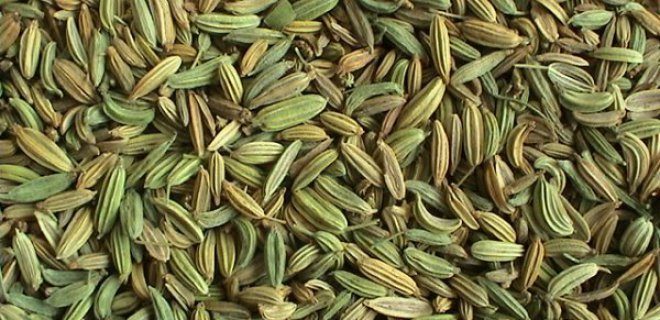
Fennel Seed
If you’ve ever tasted a bitter almond in a holiday cookie and frowned, you’ve met mahleb. That distinct, slightly pungent flavor comes from the seeds of Prunus mahaleb. It is a staple in Middle Eastern and Anatolian baking. But there is a line. Use too much, and your delicate treat turns into an astringent mess. The bitterness isn’t just a flavor flaw; it signals an overdose.
Beyond the bakery shelf, mahleb holds its own in traditional remedies. People with diabetes often turn to it. It helps regulate blood sugar levels. That is a practical benefit for modern health management. Digestive issues get a boost too. It soothes stomach aches. Kidney colic? Mahlep can help ease that sharp pain.
It does not stop at digestion. Respiratory health benefits from its expectorant properties. It clears phlegm. It opens up tight airways. If you are struggling with shortness of breath, mahleb might be the old-world solution you need. It also addresses urinary retention. It encourages flow.
Fennel Seed
Now, let’s shift gears to another seed that does heavy lifting: fennel seed. Often confused with anise or caraway because they look alike, fennel is its own powerhouse. It is sweet, aromatic, and incredibly versatile.
Why does fennel matter to your daily routine? It is a digestive miracle worker. If you feel bloated after a meal, fennel tea is a quick fix. It reduces gas. It soothes the intestines. It is gentle enough for children and strong enough for adults.
Fennel is not just for tummy troubles. It has anti-inflammatory properties. It can help with menstrual cramps. Many women find relief from period pain by chewing on fennel seeds or drinking the infusion. It acts as a mild diuretic, helping the body flush out excess water. That means less puffiness.
Where can you find it? Whole seeds are best for long-term storage. They lose potency when ground too early. Buy whole. Toast them lightly in a dry pan before grinding for maximum flavor. Or just chew a teaspoon after dinner. It freshens breath while settling in your stomach.
Which is better for you: mahleb or fennel? They serve different masters. Mahleb is for respiratory and kidney support, with a touch of blood sugar regulation. Fennel is the king of digestion and bloating. You might need both in your kitchen cabinet. Different seasons call for different seeds. Different remedies call for different remedies.
The line between medicine and food is thinner than we think. We bake with mahleb. We brew fennel. Both require respect. Too much of either can backfire. Balance is key. Not perfection. Just a mindful approach to what we put in our bodies.
What is in your spice drawer right now? Is it full of modern additives or ancient seeds? The choice is yours. The benefits are waiting.
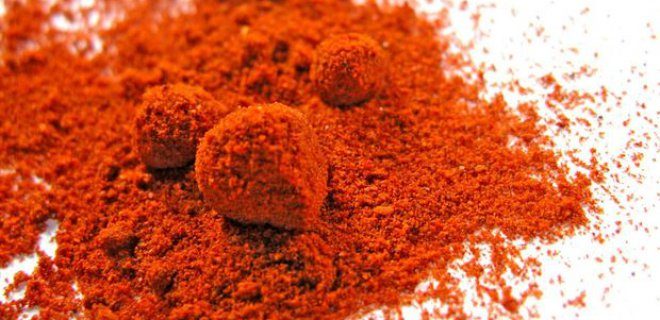
Saffron
Like fennel, it is a crown jewel in the kitchen. But when we see the price tag, most of us are hit out of pocket. So why is it so valuable? And is it really worth keeping it hidden in the cupboard at home?
Saffron emits a slightly bitter and earthy scent when chewed. It goes into salty foods, not sweet ones. It is what gives risotto that yellow color. Or it’s the one that increases the depth of the sauce in Iskender. The heart of Mediterranean cuisine beats here.
Why is it so expensive?
It’s all about labor. Only three red pollen are taken from a single flower. And these are collected by hand. There is no automation. Machines don’t break them. If it is not touched by human hands, there is no saffron. This labor cost makes it worth its weight in gold. But when used correctly, the flavor it adds to the food is worth the money.
In which dishes is it used?
- Risotto: If it is made the Italian way, saffron is a must. It gives a yellowish color.
- Paella: The signature of Spanish cuisine. It goes great with fish and rice.
- Soups: Adding a pinch to chicken or vegetable broths instantly changes the smell.
- Meat Dishes: It is very good for lamb or mutton.
Skin and Health
Like fennel, saffron is also good for the body. Rich in antioxidants. It is said to support skin health. Some research suggests it may help improve mood. On stressful days, a traditional method is to mix a pinch of saffron in a glass of hot milk.
How should it be stored?
In a dry place where there is no light. Glass jar is best. But don’t let it get air. If it gets moisture, it loses its taste. Saffron in powder form loses its scent more quickly than in flower form. If it is impossible, take the flower form. Crush before use.
How can you tell the difference?
There are fake saffrons. It is mixed with ginger or curd. Real saffron gives a reddish color when dissolved in water. Not yellow. Red. And its smell is pungent. It has a slightly bitter taste. If your food turns yellow but has no taste, it is not saffron. It is a colorant.
Things to consider when using
Don’t overdo it. A pinch is enough. Too much makes the food bitter. If you are using it for medical purposes, consult your doctor. Be careful during pregnancy
Saffron health benefits and uses in Turkish cuisine are well-documented, but its origins tell a story of luxury. Saffron (saffron) is expensive for a reason. It’s not just a spice; It’s a labor of love. Each thread comes from the crocus flower, hand-picked with care. This Iranian-origin spice brings a golden hue to everything it touches. Think of it as the secret ingredient in your rice, chicken dishes, fish preparations, and even certain desserts. It’s versatile, yes, but it demands respect.
Why do people swear by it? Beyond the color, saffron is a powerhouse for health. It acts as a natural antidepressant, lifting spirits when they’re low. It supports cellular health, keeping your body’s building blocks strong. Digestion gets a boost too. Your stomach won’t feel as bloated after a heavy meal. And for the heart? It’s a gentle ally, promoting better circulation and overall cardiac wellness.
How Saffron Helps Skin Health
The benefits don’t stop at internal health. Dry skin finds relief here. Saffron helps moisturize dry patches, improving texture and tone. It’s not a quick fix like a heavy cream, but with consistent use—whether ingested or applied in masks—it makes a difference. Think of it as an investment in your well-being. You’re not just seasonal food; you’re nourishing your body.
Now, let’s pivot to another staple in Turkish kitchens. Sumac (sumac).
Sumac: The Tangy Twist
Sumac is often misunderstood. It’s not a berry, despite the name. It’s a dried berry ground into a deep red powder. The flavor? Tart. Citrusy. A bit like lemon, but with more depth. This is where many home cooks miss out. They use lemon juice, which is fine, but sumac adds a dry, earthy tang that cuts through richness.
Where should you put it? Anywhere you’d use lemon. Sprinkle it on grilled meats. Toss it into salads. Mix it into yogurt dips. It brightens up hummus, adds complexity to rice dishes, and pairs beautifully with feta cheese. It’s especially good in dishes with heavy fats. The acidity balances the richness, making the meal feel lighter.
Why Choose Sumac Over Lemon Juice?
You might ask, why not just use lemon? The answer lies in texture and persistence. Lemon juice adds moisture. Sumac adds dryness. In a dry kebab or a crumbly salad, sumac stays on the surface, delivering bursts of flavor with every bite. It doesn’t dilute the dish. It enhances it. Plus, sumac is rich in antioxidants. It’s a simple swap that makes a big difference in both taste and health.
Combining Saffron and Sumac in One Meal
Can these two coexist? Absolutely. A saffron-infused pilaf topped with sumac-dressed onions creates a contrast that’s hard to beat. The yellow rice is warm, floral, and comforting. The sumac onions are sharp, tangy, and refreshing. It’s a balance of soft and sharp. Sweet and sour. Comfort and pleasure.
For a quick weeknight
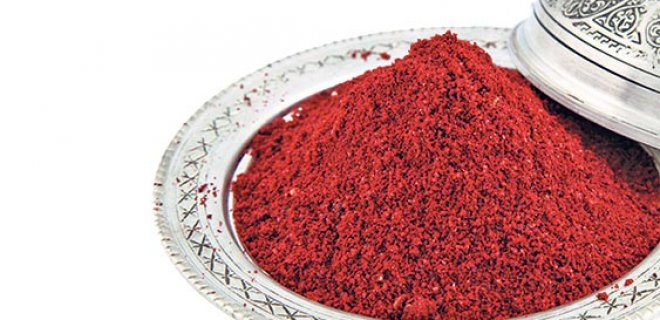
It’s as delicious as a walnut, but it’s actually not that bitter. Sumac is an almost sacred spice on our tables. It is the crown jewel of onion salad, especially in eastern and southeastern cuisine. But is it used only to add flavor? Of course not.
This red powder is actually a skin and heart friendly.
Why Should You Consume Sumac?
Most scientists agree on the benefits of sumac. Because the antioxidant density in it is incredible. When it comes to vitamin C storage, orange usually comes to mind, but sumac also has a serious place on that list.
In fact, the most powerful aspect of sumac is that it fights the body’s oxidative stress. This means that it plays a role in protecting cardiovascular health. The fact that it helps lower bad cholesterol (LDL) makes it a food that keeps up with the stressful rhythm of modern life.
What about diabetes?
Yes, it is also a good option for diabetes. Its properties that help balance blood sugar are included in the list based on evidence. But remember, it’s not a magic pill. It works well when combined with a balanced diet and regular exercise.
Intestines and Digestion
What do you do if you have diarrhea? You drink more than tea. This is ancient wisdom. But in fact, the tannins contained in sumac soften and tighten the intestines. So, for those mild bouts of diarrhea, sumac yoghurt or just sumac powder is a traditional first aid.
Of course, everything has its dose. Excessive consumption may cause nausea. Little and often. Don’t forget this rule.
Usage Areas
Is sumac only in salads? Of course not.
- Onion salad: A must. Spring onion, parsley and plenty of sumac.
- Kebabs: Sumac placed on the meat balances the fat.
- Soups: Especially lentils and ezogin. It cuts acidity.
- Vegetables: Sprinkling it over boiled broccoli or spinach completely transforms the taste.
Cinnamon
Is sumac finished? No. Another spice is waiting on the table.
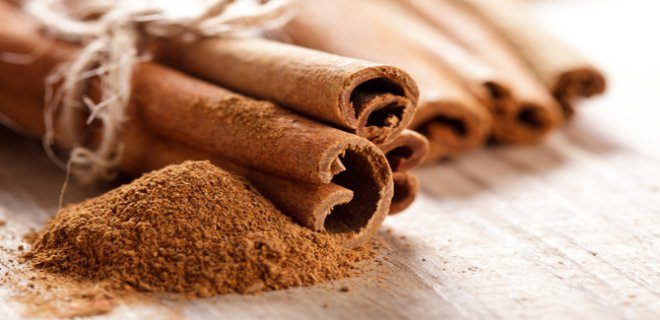
Cinnamon is not just a holiday spice. It’s a serious culinary tool. And among the varieties, Ceylon cinnamon —also known as true cinnamon or Cinnamomum verum —is widely considered the gold standard. You’ll find it in sticks or ground powder.
But why does it matter? Because Ceylon cinnamon has a delicate, sweet flavor. It lacks the harsh, spicy bite of its cheaper cousin, Cassia. That difference changes how you use it.
Where to Use Ceylon Cinnamon
You don’t need to stick to cookies. While it shines in chocolate sauces, cakes, and fruit compotes, its versatility goes deeper. Try it in puddings. Stir a teaspoon into your morning coffee or tea. It adds warmth without overpowering.
It works in savory dishes too. Think about pilafs. Add a stick to the pot while it simmers. It pairs perfectly with stuffed vegetables. It brings depth to pies. It’s not just for dessert.
The Health Benefits of True Cinnamon
Beyond flavor, Ceylon cinnamon offers tangible benefits. It is one of the few spices with clinical backing for blood sugar regulation. If you are looking for ways to support your metabolic health, this is a key ingredient to consider.
Ceylon cinnamon is distinct for its lower coumarin content, making it safer for daily consumption in larger amounts compared to Cassia.
Its benefits extend to immune support. It helps boost resistance against yeast infections. That’s a practical advantage for many women managing recurring health issues.
It also soothes the gut. If you deal with colds, stomach aches, or general digestive unrest, cinnamon has been used traditionally to ease these symptoms. It relaxes muscles. It has anti-inflammatory properties that may help prevent cellular damage, contributing to its potential cancer-fighting effects.
Dill Seeds: The Unexpected Ally
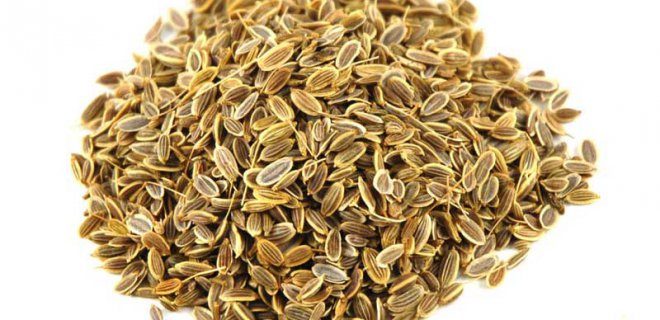
Speaking of spices with serious health profiles, let’s talk about dill seeds. Often overshadowed by their leafy cousin, dill seeds pack a potent punch. They are small, round, and aromatic.
You might not know where to start with them. They are not just for pickles. While dill is famous in potato salads and salmon, the dried seeds offer a more concentrated, earthy flavor. Think of caraway or fennel, but brighter.
Cooking with Dill Seeds
Use them where heat can release their oils. Toast them in a dry pan for a minute before grinding. They work beautifully in bread dough. Add them to hearty soups. They complement root vegetables like carrots and parsnips.
The health angle? Dill seeds are rich in antioxidants. They aid digestion. If you eat heavy meals, a pinch of ground dill seed can help reduce bloating. It’s a simple kitchen hack with a real physiological payoff.
Balancing Your Spice Cabinet
You don’t need exotic imports. But you do need quality. Cheap cinnamon can be bitter. Stale dill seeds lose their punch. Store them in airtight containers away from light.
For blood sugar support, lean on Ceylon cinnamon. For digestive ease, reach for dill seeds. Both are accessible. Both are affordable. The trick is using them consistently, not just for flavor, but for function.
What else is in your cabinet? Do you have a spice that does more than just
Vanilla
Vanilla is not just a flavoring agent for desserts. It is a potent botanical with a history of medicinal use that often gets overshadowed by its culinary fame. While the previous section touched on dill seeds for digestion and detox, vanilla offers a different kind of support—specifically for mood stabilization and metabolic health.
Most people reach for vanilla extract when baking cookies or making ice cream. Fewer people realize that this complex compound, derived from the orchid Vanilla planifolia, contains over 250 aromatic compounds. This complexity is what gives it therapeutic potential beyond mere taste.
Mood Enhancement and Stress Reduction
The most immediate effect of vanilla is psychological. Inhaling vanilla aroma has been shown to reduce anxiety and create a sense of calm. This is not anecdotal; Studies on the olfactory system indicate that specific scent profiles can trigger the release of serotonin and dopamine. For a modern woman juggling work, family, and social obligations, this natural mood lift is a practical tool.
How does it compare to other aromatherapy options? Unlike lavender, which can sometimes induce drowsiness, vanilla provides a grounding effect without sedation. It helps stabilize mood swings rather than knocking you out.
Metabolic and Digestive Support
Beyond the mind, vanilla interacts with the body’s systems. Research suggests that vanilla can help regulate blood sugar levels. This makes it a safer sweetener option for those monitoring glycemic index, though portion control still matters. It does not spike insulin like refined sugars do.
Additionally, vanilla possesses anti-inflammatory properties. When incorporated into daily meals or warm beverages, it may aid in reducing systemic inflammation. This is particularly relevant for women dealing with hormonal fluctuations that can trigger inflammatory responses.
Skin and Hair Health
Topical application of vanilla is less common but equally beneficial. The antioxidants in vanilla, particularly vanillin, protect skin cells from oxidative stress caused by UV exposure and pollution. It is often included in natural hair care routines to strengthen follicles and add shine.
For those seeking vanilla benefits for skin, look for products containing pure vanilla extract or powder. Avoid synthetic vanillin, which lacks the complex phytochemical profile of the real orchid bean.
Practical Integration
You do not need to buy expensive supplements. High-quality vanilla extract or ground vanilla bean pods can be added to:
– Morning oatmeal or smoothies
– Herbal teas for a calming evening routine
– Yogurt or kefir for probiotic support
– Skincare masks mixed with honey
The key is consistency. Small, daily doses provide cumulative benefits for both mental well-being and physical health.
Is it a cure-all? No. But in a world full of quick fixes, vanilla offers a gentle, evidence-backed alternative. It reminds us that some of the most effective health strategies are buried in the pantry, not the pharmacy.
Comparison with Other Spices
How does vanilla stack up against other common kitchen spices?
– etc. Cinnamon : Cinnamon is stronger for blood sugar control but can be harsh on the digestive tract. Vanilla is gentlemen.
– etc. Ginger : Ginger is superior for nausea and acute inflammation. Vanilla excels in mood regulation and chronic low-grade inflammation.
– etc. Turmeric : Turmeric has higher anti-inflammatory potency but

Wild Radish
Wild radish, known as a weed, is among the plants frequently preferred in traditional medicine. This plant with fine seeds is used especially for respiratory problems and to support the digestive system. In traditional practices, its roots and leaves are brewed as tea. In this way, the immune system is supported. Some sources mention anti-inflammatory effects. However, the evidence is still controversial.
There is an important point to consider when collecting wild radish. There may be poisonous plants with which it can be confused. For example, mixing it with some bitter root plants can be dangerous. If you are not sure about recognition, it is better not to consume it.
Usually, to prepare wild radish tea, a spoonful of dried herb is added to a cup of hot water. Leave it to brew for ten minutes. A mild detox effect can also be considered among the benefits obtained with this method. However, excessive consumption may cause discomfort such as nausea.
The effects of natural products may vary from person to person. It is always best to consult an expert. Especially pregnant women and those with chronic diseases should be careful.
Soil preference is important for those who want to grow wild radish in your garden corner. Well-drained soil ensures healthy growth of the plant. Sunny areas increase the growth rate.
For those wondering what it tastes like, it has a bitter and slightly bitter taste. For this reason, it is sometimes considered a source of healing rather than a spice.
In the modern world, the tendency towards natural solutions is increasing. Wild radish is also becoming part of this trend. However, scientific studies are not yet fully clear.
Some users talk about external applications for skin health. However, reliable information on this subject is limited. It may cause skin irritation.
In conclusion, wild radish is a plant with potential. However, conscious use is a must. It is always best to avoid excess.
It is nice to discover the healing resources that nature offers. But everything has a dosage. This should not be forgotten.

Wild Mustard Greens: The Sharp, Spicy Secret
Used alongside meats, wild mustard greens shine in homemade sauces and marinades. Think of them as the spicy backbone of a dish.
Why Wild Mustard Greens Are Worth Foraging
Back in the day, people turned to wild mustard for back pain, poisoning antidotes, and cough remedies. It wasn’t just folklore; It was a practical medicine cabinet.
Today, we know it holds a lot of medicinal value. Don’t let the rough exterior fool you. This plant is a powerhouse.
Clove (Allspice)
Cloves aren’t just for holiday baking. They pack a punch.
The Spice That Smells Like Christmas and Fixes Your Breath
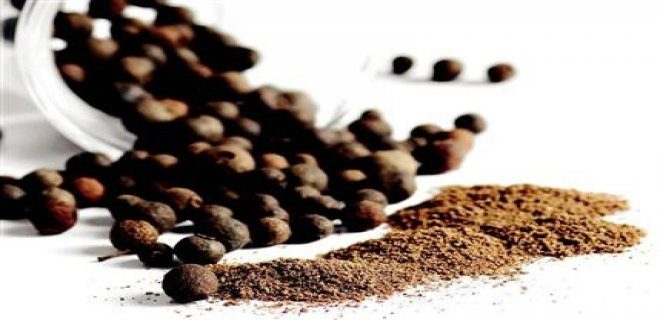
It hits you first. That warm, clove-forward scent. If you close your eyes, it smells like a small coconut, cinnamon, and cardamom had a baby. We call that allspice. In English, it’s allspice. But don’t let the name fool you. It’s not one spice. It’s a blend of dried unripe berries, mostly pimento.
You see it everywhere in Turkish kitchens. It’s the quiet worker in your vegetable stews. The secret in your meat broth. The reason your soup tastes like comfort. It cuts through the heaviness of fish and meat. It lifts them.
It’s in the dolma. Every single grape leaf is stuffed with rice needs it. It’s in the sausages too. Sausage. Salami. Sausage. Without it, those red links are just spicy meat. With it, they’re history.
Why Your Gums Need This Spice
Here’s the thing nobody tells you. Allspice isn’t just for flavor. It’s for your mouth.
Your teeth hate bacteria. This spice hates bacteria more. It has antimicrobial powers. Antibacterial. Antiseptic. Three words that sound like a chemistry textbook but mean one thing: it cleans you out.
Make a gargle. Use the spice. Rinse.
The bad breath goes away. The gum inflammation calms down. It’s not magic. It’s biology. Simple, ancient biology.
What About Ginger?
People ask about ginger next. They think it’s the same warmth. It’s not. Ginger is sharp. Fresh. Zesty. Allspice is deep. Round. Spicy.
Don’t mix them up. Use ginger for nausea. Use allspice for depth.
Your kitchen should have both. But don’t let them fight. Let them work.
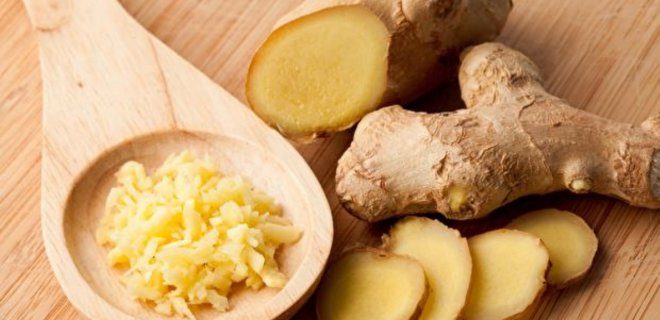
Turmeric is available in two main forms: whole roots and ground powder. In Chinese cuisine, it plays a starring role. You will find it in baked goods. It is essential when marinating various meats. It forms the base of many sauces. It is also key when preparing spice blends like curry.
The Proven Benefits of Ginger
Ginger is not just a flavor enhancer. It is a nutrient-dense powerhouse. It packs a punch with vitamins B3 and B6. It delivers essential minerals like iron, calcium, phosphorus, sodium, potassium, and magnesium.
But the list goes deeper. Ginger contains specific amino acids. Look for lysine, threonine, tryptophan, valine, and phenylalanine. These building blocks support your body’s internal repair systems.
“Ginger aids in maintaining normal blood circulation while its chromium, zinc, and magnesium content helps curb excessive sweating, fever, and shivering.”
This combination of minerals does more than just sit in your body. Chromium, zinc, and magnesium work together to regulate temperature. They help prevent excessive sweating. They reduce fever spikes. They stop the shakes.
Its anti-inflammatory effects are notable. Think of it as a natural painkiller. Similar to turmeric’s benefits, ginger acts as an anti-inflammatory agent. It reduces pain naturally. It calms inflammation. If you are dealing with aches or swelling, ginger offers a direct, accessible solution.
Turmeric
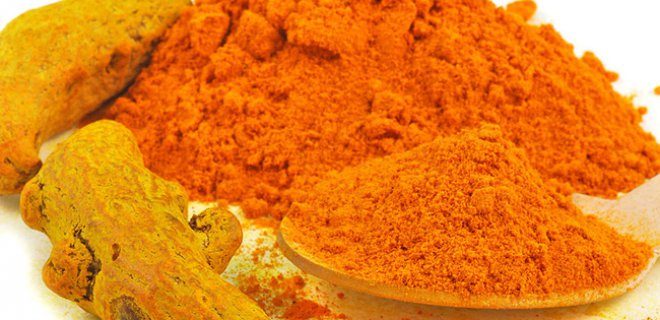
Turmeric: More Than Just a Bright Yellow Spice
That sharp, earthy aroma. You know it. It’s turmeric.
It comes in two forms. The powder. And the raw root.
Chefs use it daily. Curry blends rely on it. So do stews, rice dishes, and curries that need that signature golden hue and warm flavor.
But this isn’t just about food.
Turmeric has been used for centuries for healing. Science is finally catching up.
Why Turmeric Matters for Your Health
Let’s look at the facts.
Turmeric contains curcumin. This is the active compound. It’s anti-inflammatory. It’s an antioxidant.
Here is what it helps with:
- Blood sugar control: It plays a role in managing diabetes.
- Digestive health: It soothes the gut.
- Joint pain relief: It reduces inflammation in the joints.
- Heart health: It supports cardiovascular function.
The list goes on. But these are the big ones.
So next time you see that bright yellow powder…
Use it.
Cook with it.
Because it’s not just color.
It’s care.
Simple. Effective.
And worth knowing.
“Turmeric is more than a spice. It’s a tool for wellness.”
Start small. Add a teaspoon to your morning oatmeal. Or stir it into warm milk.
Your body will thank you.
No grand gestures needed.
Just consistency.
One meal at a time.
Does it work for everyone? Maybe not.
But for many… it makes a difference.
Keep experimenting.
Find out what works for your kitchen.
And your health.
That’s the real benefit.
Not just the color.
But the comfort.
After all…
It’s about feeling good.
Inside and out.
That’s enough.
For now.

