


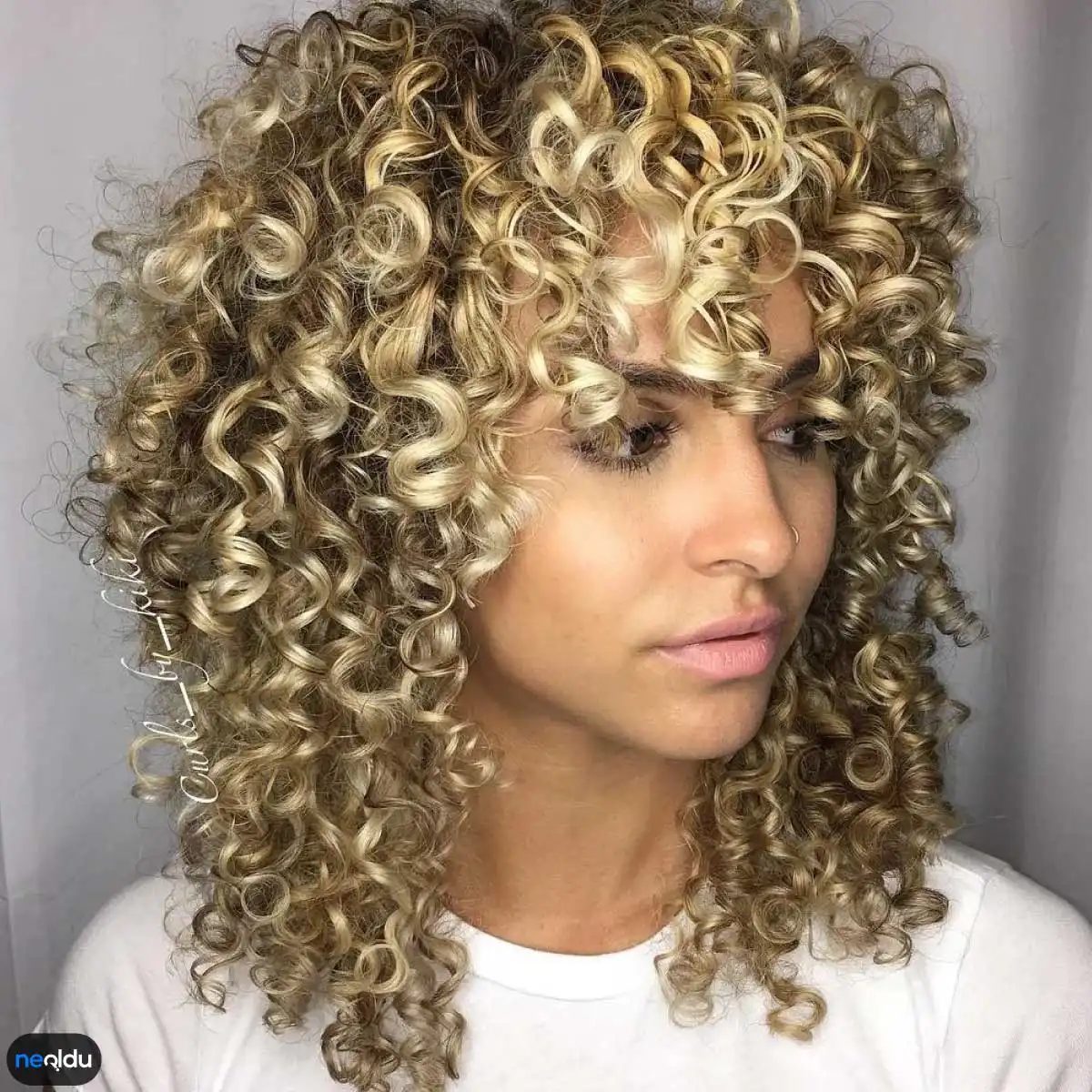
Rasta hair, or rasta saç modelı, has stepped out of the niche subculture and into the mainstream. It’s the kind of look that screams individuality. You see it on red carpets now. You see it on city streets. It’s free-spirited, unconventional, and undeniably striking.
But let’s cut through the hype. Creating and maintaining this style isn’t just about letting your hair grow out and hoping for the best. It requires knowledge. It demands discipline. And in the heat of summer, it’s a style that celebrities and street-style icons are wearing with increasing frequency.
What Exactly Is Rasta Hair?
At its core, rasta hair refers to a hairstyle where the hair is divided into small sections and matted or braided to form thick, rope-like strands. These are commonly known as dreadlocks. The term “rasta” is often used interchangeably, though it carries specific cultural and religious associations within the Rastafari movement.
In the context of modern fashion and beauty trends, the term usually just describes the aesthetic: the thick, textured coils. It’s a protective style. It’s low maintenance if done right. But high maintenance if ignored.
How Is Rasta Hair Made?
You don’t just wake up with rasta hair. The formation process is deliberate. There are a few primary methods, and your choice depends on your hair type, texture, and patience level.
1. Backcombing and Rolling
This is one of the oldest techniques. The stylist backcombs a section of hair from the ends up to the roots, then rolls it between their palms to tighten the mat. It creates a uniform, dense dreadlock.
2. Twisting
Natural hair is twisted tightly from the root to the tip. Over time, the friction causes the hair to knot and lock on its own. This method is popular because it’s less damaging to the hair shaft initially, but it requires consistent retwisting as new growth appears.
3. Braiding
Hair is braided into small, tight cornrows. As the hair grows and the braids loosen, the tension and friction help form the lock. This method is often preferred for straighter hair types that don’t tangle easily.
4. Neglect Method
This is exactly what it sounds like. You do nothing. You let your hair tangle naturally over months or years. It’s the purest form, but also the least predictable. Results vary wildly.
Why Choose Rasta Hair?
The appeal isn’t just aesthetic. There are practical reasons why this style has surged in popularity, especially during warmer months.
- Low Daily Styling: Once established, you don’t need to spend time combing or styling every morning.
- Hair Health: It protects the ends of your hair from environmental damage and breakage.
- Versatility: You can wear them down, tied up, or accessorized.
- Identity: For many, it’s a statement of cultural pride or personal rebellion against conventional beauty standards.
Care and Maintenance: The Reality Check
Here’s the part most people skip. If you want rasta hair to look good, you can
拉斯塔头发不像传统的发型,而更像是一种结构技术。 它依靠互锁的发丝形成独特的链状发绺。 其结果是一种有质感、轮廓分明的外观,远远超出了其反文化根源。
多年来,这种风格一直是嬉皮运动和自由奔放的生活方式的代名词。 但近年来,它在土耳其获得了巨大的关注。 它不再只是一个声明; 对于想要低维护体积和质地的现代女性来说,这是一种主流美容选择。
How to Create Rasta Locks at Home or in the Salon
This process is more than just growing hair. This takes skill. Professionals use special methods to twist and intertwine strands to create uniform or varying textures.
The main aspects are:
- Customization : You can adjust the length and thickness of the lock. Some women prefer thin, delicate strands. Some people want thick, bold coils.
- Professional Application : Do-it-yourself kits exist, but the interlocking method is difficult. The stylist ensures that the hair stays in place without putting too much stress on the scalp.
- Inclusivity : This style is gender neutral. Both men and women use them, but women tend to focus on shaping the face or adding dramatic volume.
Its charm lies in its versatility. Wear it loose for a bohemian vibe, tie it back for a trendy look, or style it with rings and beads. This is a grows with you style that requires regular maintenance to keep the roots clean, but offers a unique texture that cannot be replicated with regular cuts.
Why insist on flat hair when you can create a three-dimensional look? The shift to textured styles reflects a broader desire for individuality. In Turkey, with its vibrant salon culture, this style is becoming popular among those looking for something unique yet manageable. The key is to find a stylist who understands the tension and placement required to keep your hair healthy and intact.


Not all dreadlocks are created equal, and understanding the difference between a quick fix and a lifestyle commitment changes everything. You’re looking at two distinct paths here. One is a temporary style you can snap off. The other is a long-term investment that demands patience and precision.
Temporary Rasta Braids vs. Professional Locks
Let’s clear up the confusion right away. When people ask about temporary rasta hair, they usually mean pre-made braids attached to the roots. It’s fast. It’s removable. You can take it out whenever you get bored. It’s essentially a high-quality wig system or clip-in extensions that mimic the look of dreadlocks without the permanence.
Then there is the professional route. This isn’t a weekend project. This requires experience and specific technical knowledge. A stylist creates these locks using methods like backcombing, palm rolling, or interlocking. Once applied, these last for about six to ten months. They are permanent in the sense that they are woven into your natural hair. You don’t just pull them out. They grow with you, requiring maintenance as new hair emerges from the scalp.
Which Method Suits Your Lifestyle?
If you want the aesthetic for a festival, a photoshoot, or just a month of change, go for the temporary rasta style. It’s low risk. High reward. You get the volume and the texture without the long-term commitment.
But if you are asking why some people keep theirs for years, it’s about the longevity of the long-term rasta style. These aren’t just braids. They are matted or locked strands that stay fixed for six to seven months. After that period, you don’t just walk away. You return to the salon for a renewal. The stylist reapplies the locking technique to the new growth, keeping the style intact and tidy. It’s a cycle. You commit to the routine, and the style stays sharp.
Do You Need a Professional for Rasta Hair?
Here is the hard truth. You can do rasta hair at home. Many people try it. But if your expectation is a clean, uniform, and durable result, you are likely setting yourself up for frustration.
Home attempts often lead to uneven tension, messy roots, or locks that unravel within weeks. The professional support mentioned by stylists isn’t just about ego. It’s about technique. A trained hand knows how much tension is enough to lock the hair without damaging the follicle. They understand how to blend new growth seamlessly.
“Rasta hair requires skill. What looks simple is actually a complex knot of tension and care.”
If you are serious about the look, save your money on tutorials and book an appointment. If you are just experimenting, start with the temporary options. They offer the same visual impact without the potential damage of a botched DIY job. The choice is yours, but the results will tell you which path you should have taken.
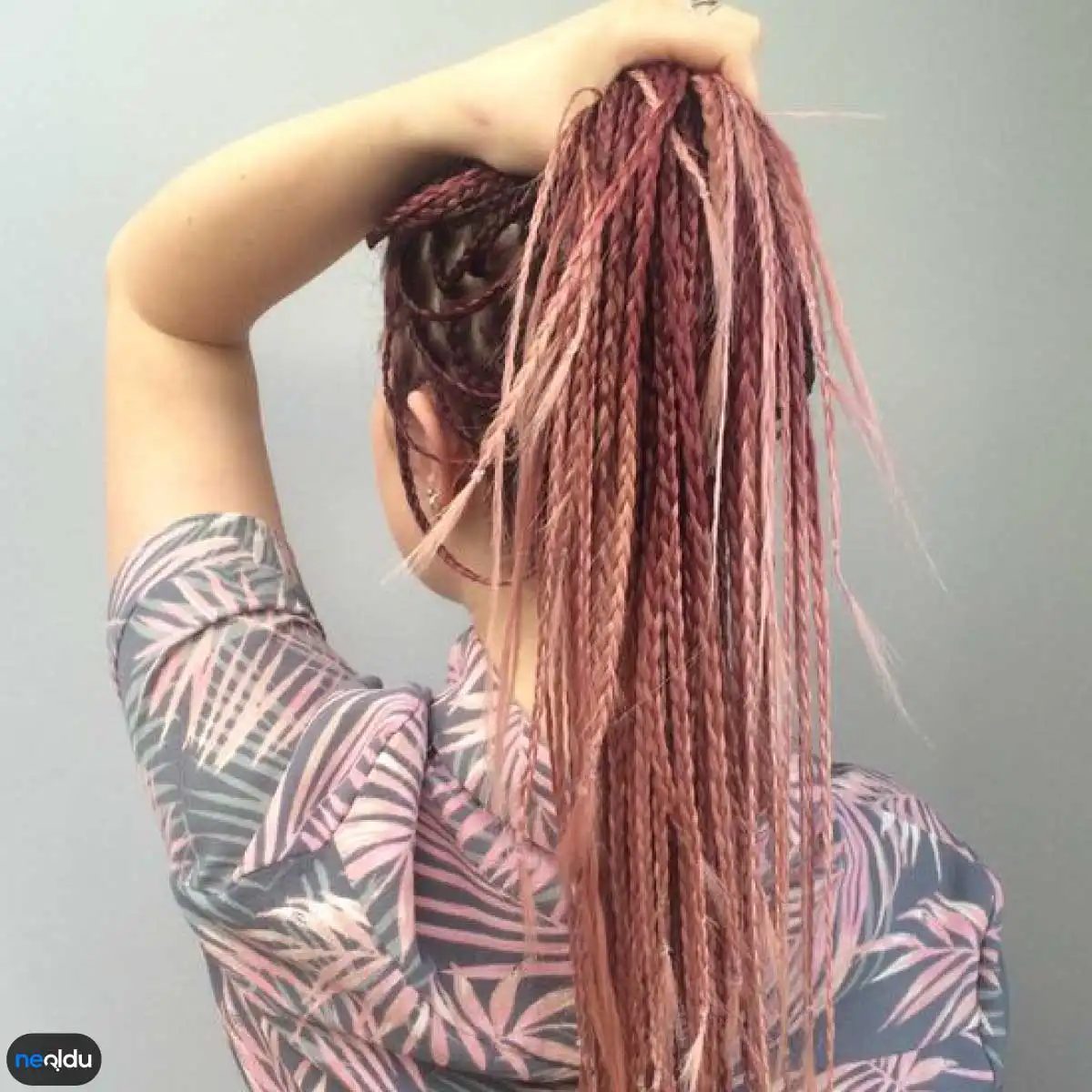
How to create volume with Rasta-style braids
Start by sectioning your hair. You can choose thin or thick – it depends on the look you want. The most important thing is the consistency of the distribution.
Once the hair is separated, pull the strands tight. This tension gives the style its structure and initial volume. Don’t pull so hard that it hurts, but not so loose that it slumps immediately.
Now comes the knitting phase. Thread the pieces together with a crochet hook. This strengthens the style and gives it its characteristic volume. It’s not just about keeping everything together; it’s about building the body of the braid.
If you need more hold, apply a small amount of wax. It ensures that the strands hold together better. For a more natural and less sticky result, you can also stick to just the hook. Wax gives grip. The hook gives shape. Choose based on your comfort level.
Making Rasta-style braids at home takes time. And patience. If you’ve never done this before, you might end up with uneven tension or a messy result. There is no shame in hiring a professional for the first time. They know exactly how much pull is too much.
How to care for Rasta-style braids
When it comes to maintenance, most people make a mistake. These braids are not set-and-forget. They need attention to keep them looking fresh and the scalp healthy.
Washing is difficult. You can’t just lather it up like you would with loose hair. Use a diluted shampoo or a residue-free cleanser. Focus on the scalp, not the braids themselves. Braids trap dirt, but if you’re not careful, they also trap moisture.
Dry them thoroughly. Damp braids can smell. They can also lead to mold growth if left under a hood or hat for too long. Pat them dry with a towel. Do not rub. Rubbing causes frizz, and frizz destroys the clean line of the style.
Moisturize the scalp. Braids cover your natural hair, but the skin underneath still needs moisture. Use a light oil or spray. Avoid heavy products that leave a residue. Buildup attracts dust and makes the hairstyle look dull after a week or two.
Sleep with them? Wrap your hair in a silk scarf. Cotton pillows cause friction. Friction causes frizz. Frizz will make your careful work look neglected on Tuesday morning.
How often should you tighten? Depends on your growth rate. Usually every two or three weeks. If the edges look loose, it’s time to rethink your hook and wax routine.
What happens if you keep them too long? Your natural hair gets tangled underneath. There is a risk of breakage when removing. There’s a sweet spot. Stay in it.

The first month is the most critical time for your new look. The rule is simple: keep your hair dry. No water, no sweat, no humidity. You need to give the locks time to settle and lock. If you rush this step, the structure will collapse before it even starts.
But staying dry for thirty days sounds miserable, doesn’t it? You still sweat. You still need to look presentable. This is where dry shampoo becomes your best friend. It’s no longer just a quick fix between washes. Use it to control scalp oil and prevent dandruff during this crucial waiting period. It keeps the roots fresh without letting in moisture that would spoil your work.
How to wash Rasta hair for the first time
Once the thirty-day mark is reached, the first wash is a ritual rather than a chore. You need volume. Use plenty of water to rinse thoroughly. Choose a shampoo to combat dandruff. Rasta hair tends to trap residue, and a traditional cleanser may not remove the build-up.
Massage the scalp gently. Do not scrub aggressively. The goal is to clean the skin without compromising the integrity of the braids or twists. Rinse until the water is completely clear. Any product residue can cawear itchiness or build-up, defeating the purpose of the style.
Managing Common Issues: dandruff and oil
Here’s a reality check: Rasta hair retains moisture differently than loose hair. This makes dandruff and greasiness more common. The scalp no longer breathes as well under thick layers of hair. Sebum gets trapped. Dead skin cells do not come off naturally.
If you notice dandruff, don’t panic. This is a maintenance issue, not a failure. Regular grooming routines minimize these problems. But you have to be consistent. Using the wrong products or skipping washes can turn a stylish look into an itchy, uncomfortable situation.
Who is Rasta hair suitable for?
This is a question everyone asks themselves before committing. Does it suit your face shape? Your lifestyle? Your personal style?
There is no one answer that applies to every woman. Rasta hair is versatile. It frames the face differently depending on the width and length of the locks. Some styles soften angular features. Others add volume to finer hair types. The key is to find a variation that suits your natural texture and daily routine.
Consider your maintenance capacity. If you travel often or have a stressful job, complicated styles can become a burden. Simpler, thicker locs are often more forgiving. They require less daily handling.
Think of the image you want to project. Rasta hair has cultural weight. It’s a statement. For some, it’s purely aesthetic. For others, it is a spiritual or political identity. There is no “right” reason to wear it, but understanding the symbolism will help you wear it with confidence.
In the end, it’s all about comfort. If you feel comfortable with it, it works. If you’re constantly adjusting it in the mirror, it might not be the right fit. Try a smaller style first. See how your body reacts to the weight. See how your skin responds to the coverage.
Style evolves with you. It is not static. Your hair grows. Your life will change. The locs adapt, or they

Rasta hair. It’s bold. It’s textured. It’s not for everyone, but for the right person, it’s everything.
There’s a lingering myth that dreadlocks are inherently dirty. They aren’t. That’s just prejudice mixed with a lack of knowledge. With regular washing and proper care, locs stay clean and healthy. The grime people assume? It’s usually just neglect or bias, not the style itself.
Who Looks Best in Rasta Hair?
Skin tone plays a role, but it’s not a hard rule.
Warm-toned skin often makes the rich, earthy hues pop. But pale skin? It works too. The contrast can be striking.
It’s really about the vibe. This style leans into a hippie, bohemian, or free-spirited aesthetic. If that’s your lane, you’re in the right place. And yes, age is irrelevant. Women of all generations rock this look. It’s about personality, not birth year.
The Maintenance Reality Check
Let’s get real. This isn’t a “wash and go” style.
There are constraints. You can’t just splash water on it and run out the door. The maintenance window is long. The rules are strict. If you aren’t ready for that commitment, don’t start.
The First Month Rule
The first 30 days are critical.
Avoid water. Seriously. If you get it wet now, the locs can unravel or fail to mature properly. You need that initial period to let the hair settle and lock into place. Patience isn’t just a virtue here; it’s a requirement.
Washing After the First Month
Once that month passes, you can wash it. But you have to do it right.
Use plenty of water. Rinse thoroughly. And skip the heavy conditioners that leave residue. A dandruff-preventing shampoo is your best friend. It keeps the scalp clean without weighing the locs down. Build-up is the enemy. Keep your roots clear.
How Long Do They Last?
A professionally installed set can last 6 to 10 months without falling apart. That’s longevity.
But hair grows. Always. You’ll need touch-ups every 6 to 7 months to keep the roots neat and the style tight. Think of it as an ongoing project, not a one-time fix.
Temporary vs. Permanent
Not ready to commit? Try temporary rasta braids.
These are pre-made locs that clip or tie into your natural hair at the roots. They come out easily. You can remove them whenever life gets in the way. To the untrained eye, they look just like the real deal. It’s a low-risk way to test the waters.
The Best Products for the Job
You need quality tools for the job. Cheap products lead to buildup, and buildup leads to smell and damage.
Look for intensive care sets from brands like Diamond Hair. They’re designed specifically for this texture.
When it comes to repair, Dax Supergro is a solid choice for restorative creams. It helps strengthen the hair shaft.
For moisture, you need oils that penetrate without clogging. Herbal Science Boom Butter is


