Vibration plates are everywhere right now.
They’re the internet’s newest wellness obsession, flooding feeds with promises of lymphatic drainage and step-count hacks. The claim is simple: ten minutes on a plate equals two to three thousand steps. In a culture obsessed with hitting the mythical 10,000 step mark (even though science suggests 7,000 might actually be the sweet spot) that math is too tempting to ignore.
The problem is that marketing moves faster than science.
“The problem is that a lot of the маркетинг gets ahead of the science.” says Jacob Van Den Meerendon a physical therapist based in California “If someone tells you standing still improves your balance circulation and fitness it’s obviously going to grab attention.”
But does standing on a shaking platform really compare to walking? Does it come close? Experts say no. It’s time to separate the vibe from the health.
How They Actually Work
This isn’t new technology. Early versions date back to the 1800s. Dr. John Harvey Kellogg tinkered with mechanical vibrations believing they helped digestion. Later Soviet space programs used them to keep bones strong during weightlessness.
Here is what happens today.
You stand on a platform. It oscillates rapidly beneath your feet. Your muscles twitch involuntarily to stabilize you. That is all.
“Rapid oscillations cause your muscles to contract relax reflexively” explains Dr. Nick Pappas an orthopedic surgeon.
Rachelle Reed a PhD and exercise physiologist adds that frequency and duration matter. These sensors in your skin and muscles get activated triggering tiny involuntary contractions. This boosts blood flow temporarily. It helps with soreness. It is why athletes use them for warm-ups or recovery.
But let’s be clear. It is localized stimulus. Not locomotion.
The Step Counter Lie
So why do people think vibration plates give them steps?
Their fitness trackers.
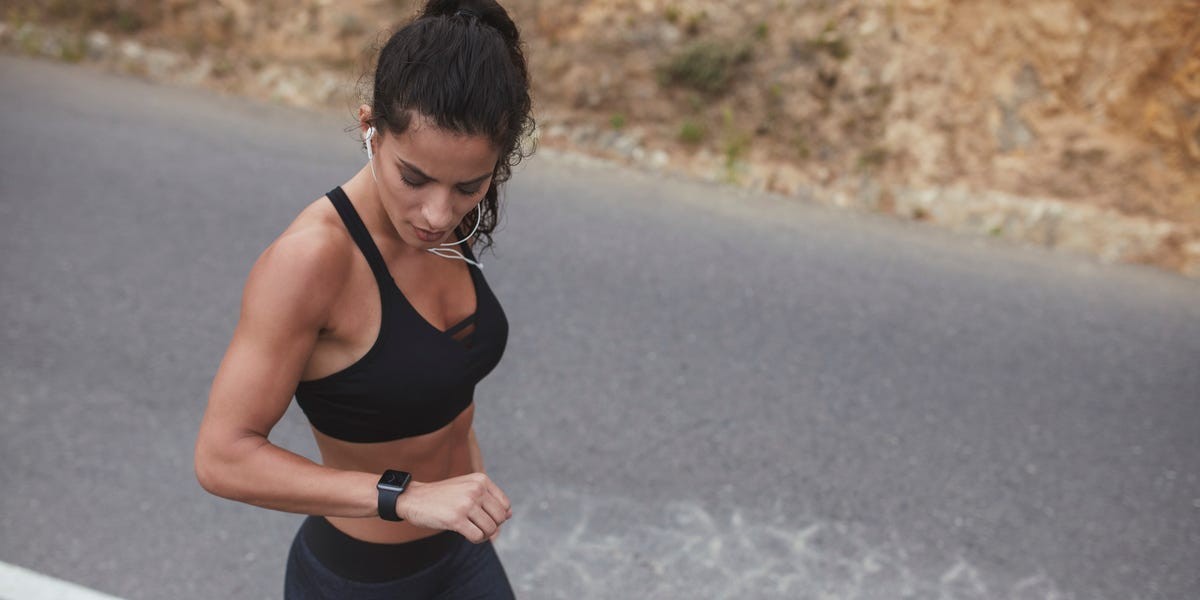
Most trackers use accelerometers. They detect movement changes and velocity. When the plate shakes fast enough the sensor gets confused. It thinks you’re walking. You are literally going nowhere.
“People often feel like they’ve done more than they did” says Van Den Meerendon.
They haven’t.
Walking is locomotion. It engages the cardiovascular system. It burns calories. A vibration plate does not replicate sustained movement or metabolic demand.
Walking is still walking. A step isn’t just a leg movement it involves actual locomotion.
— Dr. Nick Pappas
Treat these devices as complementary. Not a replacement. Most wellness tools aren’t game changers or total scams. They fall somewhere in the middle.
Walking Wins Almost Everywhere
If we break this down category by category the winner is usually clear. Sometimes the plate helps but it rarely replaces the walk.
Circulation
Winner: Walking
Blood flow matters. It delivers oxygen removes waste. Both walking and vibrating temporarily boost this flow. Studies show low frequency vibration under 30Hz works for this.
But walking wins. It activates the calf muscles. Dr. Pappas calls the calves the body’s second heart. Pumping them keeps blood moving from the legs to the heart. Standing on a plate doesn’t pump blood upward like that.
Heart Health
Winner: Walking
No contest.
Walking lowers blood pressure. Improves cholesterol. Helps manage blood sugar.
“Walking reduces cardiovascular disease risk” says Pappas “A vibration plate simply doesn’t provide that stimulus.”
Forget the 10,00 step rule. That was a pedometer marketing trick. A 2025 meta analysis in The Lancet suggests 7000 is the ideal target. Even 2200 steps beats sitting.
If you have high blood pressure every extra thousand steps above 2300 drops major heart event risk by 17%. You want that risk reduction. A shake plate won’t give it to you.
Muscle Recovery
Winner: Vibration Plates
Here is where the plate shines.
Walking doesn’t fix DOMS. A vibrating platform might.
The involuntary contractions help proprioception. That means your body knows where it is in space better. Reed notes this can make you feel less stiff before a workout or less sore after. It is a useful tool for active recovery after intense effort.
Vibration may enhance neuromuscular control reducing stiffness.
— Rachelle Reed PhD
But you still have to walk to get better long-term health. The plate just cleans up the mess left behind by training.
Brain Power
Winner: Walking
Your brain wants blood. It wants aerobic activity.
Multiple studies link walking to better memory. It lowers dementia risk. Five minutes of brisk walking boosts cognitive function in older adults. Fresh air helps too.
Vibration therapy? Not so much. It stimulates the nervous system yes. But there is very limited evidence it improves memory or long-term cognitive health. Don’t stand on a shaker to study for exams. Go for a stroll instead.
Mood and Mind
Winner: Walking
Psychological benefits are hard to fake.
A brisk walk changes your mood. Walking with friends does more. A large body of research shows walking reduces anxiety and depression. People who are highly active have lower odds of mental health struggles.
A vibration plate offers a novelty effect. A distraction. That might shift your attention for ten seconds. But it does not produce the sustained reduction in stress that walking does. You can’t shake away existential dread. You can walk it off though.
Living Longer
Winner: Walking (by a landslide)
When we talk about longevity movement wins.
Van Den Meerendon says walking is one of the simplest habits for better outcomes. Aim for 7000 steps and you slash risks for cancer type 2 diabetes and dementia compared to walking 2000. Just doing more than 2000 beats doing nothing.
“There is no evidence they confer longevity benefits” Pappas says about the plates “Get up and move instead.”
So Which Should You Use?
Maybe both.
Use the vibration plate if you want to warm up before a lift or loosen up tight calves after a run. It works for recovery.
But do not stand on it to dodge the walk. The walk does the heavy lifting for your heart your brain and your years.
The marketing wants you to believe standing still is enough. Science disagrees. Step away from the machine. Put on your shoes.