


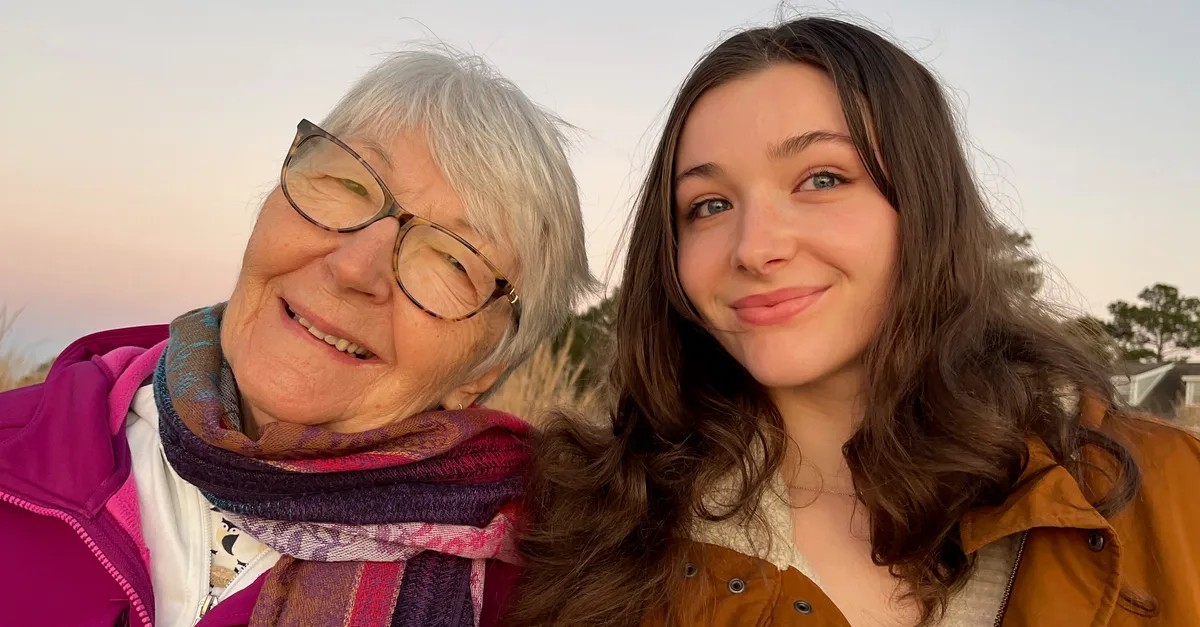
Grandparents usually mean well. The intent is connection, love, and joy.
But intent isn’t the only thing that matters. Impact is.
Well-meaning comments can inadvertently make grandkids feel insecure. Or uncomfortable. Ann-Louise Lockhart knows this from experience. She’s a pediatric psychologist in San Antonio.
“I’m a pediatric psychologist and president of a private practice, so I hear a lot,” Lockhart told HuffPost. “Grandparents say things they don’t mean to say, but it creates an environment where kids feel weird or unsafe.”
Communication is key. All year round. Not just when the holiday card is being sent.
“It’s hard to change old habits,” says Lockhart. “But you have to be intentional. Your words shape how they see themselves. And how they see you.”
Experts spoke up about common phrases that backfire. Here’s what to skip. And what to say instead.
It’s never too late to fix this. Even if you’ve messed up before, start being mindful today.
That’s from Andrea Dorn. She’s a psychotherapist. And author of the Mindful Steps book series for kids.
One warning: Don’t panic if you slip up. Guilt helps no one.
“Don’t tell your parents”
This one sounds innocent.
Maybe it’s hiding a cookie. Or letting them skip bedtime for one night.
“We’re in on it, okay? Little secret?”
Zainab Delawalla doesn’t like this. She’s an Atlanta clinical psychologist.
“This undercuts parental authority,” Delawalla explained.
That has consequences. Long-standing ones.
It also models bad behavior. Kids learn they can keep secrets if it suits their immediate interests.
That’s dangerous. Especially if they’re being bullied. Or worse. Groomed by a predator.
Keep honesty intact. No matter what.
Grandparents can show love without breaking rules set by parents.
Find another way. Just don’t lie by omission.
Body Comments And Weight Comparisons
“You’ve grown!”
“Have you lost weight?”
“No, no, this isn’t a good comment to make about kids. It’s a huge no,” said Lockhart.
Why? Self-esteem issues. Body image issues. A huge no.
We need to support their confidence. Not crack it.
Harsh comments from relatives stick. Kids replay them. Over and over. Even when they’re adults.
Dorn agrees. Comparisons to siblings? Bad. “How tall you are!” No good.
“Focus on internal traits instead,” Dorn advised. “External features don’t matter nearly as much as who you are.”
So ask open-ended questions instead.
“How’s school?”
“Who are your friends playing with?”
“Show me your drawings.”
Be interested. In who they are. Not how they look.
“Wow, You Ate Everything!”
Grandmas love food. We know this.
Comments like “Clean your plate!” are common. But they’re problematic.
Dorn says listening to hunger cues is developmental. Essential, really.
When outsiders critique eating habits, kids lose touch with their own signals.
They eat because Grandma said so. Not because they’re full. Or hungry.
Shame sets in. Confusion follows.
Instead? Model healthy habits yourself.
Eat when you’re hungry. Stop when you’re full. Let them do the same.
Don’t police their portion. Unless they ask.
“You’re So Spoiled”
Holiday stress is real.
Big emotions. No routine. Overstimulation.
Kids melt down. It’s normal.
Seeing a grandchild throw a tantrum because they didn’t get what they want is tough. You want to whisper, “Ungrateful.”
Don’t.
“Kids acting out this time of year isn’t uncommon,” says Ryan Howes.
Howes is a clinical psychologist from Pasadena. He suggests looking closer.
“If it happens often, maybe it’s how they were raised. Don’t blame the kid.”
Howes advises sucking it up. Or talking to the parents. Not the child.
Avoid judgment. Keep it in check.
“Give Me A Hug Or Kiss Right Now!”
Physical affection is great. Consent is better.
Kids have boundaries too. Especially from adults they trust but might feel pressured by.
“Telling kids they must give a kiss takes away autonomy,” says Dorn.
“It pressures them to second-guess their own feelings. And their bodies. It sends a confusing message about consent. Don’t force a hug just because you’re excited to see your grandkids.”
Ask first.
“Would you like a hug? Or a high five? Or maybe a fist bump?”
If the answer is no?
Respect it. Lighten the mood.
“Okay! I still love you. Tell me what you’ve been up to.”
This reinforces body autonomy. Which translates to other areas of life. They learn boundaries are respected.
Even by family. Especially by family.
“Your Parents Are Wrong”
Parenting styles shift.
What worked in 1995 doesn’t always work now. You had a different upbringing. Your kids are raising theirs differently.
It’s natural to notice the difference. Howes notes that grandparents often comment on these distinctions.
But it can easily sound like shaming.
Declaring one way “right” and another “wrong.”
Implying the child or parents are flawed because of it? Avoid that.
When should grandparents step in? Only when there are blind spots. Real harm.
Even then, talk to the parents. Directly. Not the kid.
If there are significant blindspots that could potentially be harmful, speak up privately to the parent. Not to the child.


