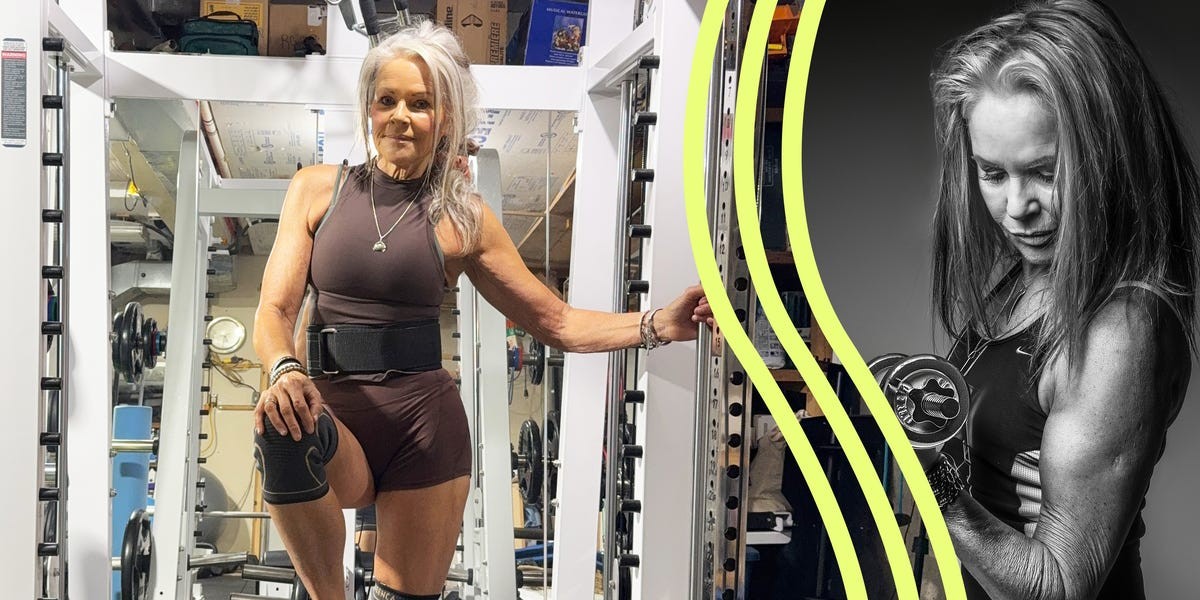
At 71 years old, most people are beginning to scale back their physical activity. However, one woman is doing the exact opposite: she is lifting heavier weights than ever before. Her journey from physical exhaustion and muscle loss to peak strength offers a powerful blueprint for anyone looking to prioritize wellness in their later years.
The Turning Point: From Caregiver Burnout to Self-Care
The path to strength was not linear. For several years, the author found herself trapped in a cycle of physical and emotional depletion. While serving as a primary caregiver for her mother, she neglected her own health, resulting in weight gain, loss of muscle tone, and a reliance on alcohol to cope with stress.
The realization that her lifestyle was unsustainable came at age 68. To ensure her ability to live a high-quality life into her 90s, she decided to undergo a fundamental transformation. This shift was catalyzed by a structured 12-week fitness program focused on body recomposition —the process of losing fat while simultaneously gaining muscle.
The Mechanics of Transformation
The transition from “eating whatever” to intentional nutrition was the most significant hurdle. By embracing macronutrient tracking, she learned to fuel her body with purpose:
– Increased Protein: To support muscle growth and satiety.
– Controlled Carbs and Fats: To facilitate weight loss.
– Whole Foods: Replacing processed snacks and alcohol to eliminate sluggishness and cravings.
This nutritional discipline, paired with a consistent strength training regimen, didn’t just change her physique; it improved her mental clarity, sleep quality, and capacity to care for others.
A Science-Backed Routine for Longevity
Now, at 71, her training is specifically designed to combat the physiological challenges of aging, particularly osteoporosis. Her routine is built on three pillars of functional fitness:
1. Progressive Overload and Heavy Lifting
She trains five days a week, utilizing free weights and barbells to perform compound movements like deadlifts, squats, and hip thrusts. By following the principle of progressive overload —gradually increasing the weight or intensity—she ensures her muscles continue to adapt and grow stronger.
2. Bone Density through Plyometrics
While weight-bearing exercises are essential, she incorporates plyometrics (high-impact movements like squat jumps and burpees). These explosive movements are critical for stimulating new bone tissue formation, providing a vital defense against age-related bone density loss.
3. Cardiovascular and Mobility Maintenance
To complement her strength work, she maintains heart health through jump rope sessions and hits a daily goal of 10,000 steps. She also prioritizes flexibility through rigorous stretching to ensure her joints remain mobile.
Three Keys to Sustainable Success
Beyond the physical exercises, three psychological and lifestyle shifts proved essential to her long-term success:
- Nutritional Integrity: Moving away from processed foods and alcohol transformed her energy levels, making healthy eating a preference rather than a chore.
- The Power of Community: Breaking the myth that independence means isolation, she utilized online fitness communities for motivation. Having a support system provides the necessary encouragement to persist through “off” days.
- A Mindset of Self-Care: She reframed self-care not as an act of selfishness, but as a prerequisite for service. By prioritizing her own health, she became more capable of fulfilling her responsibilities to her family.
“Getting older is inevitable, but weakness is optional.”
Conclusion
Through disciplined nutrition, heavy resistance training, and a supportive community, it is possible to reverse physical decline and build significant strength well into one’s 70s. Her journey proves that fitness in later life is not just about aesthetics, but about building the resilience required to live life to the fullest.