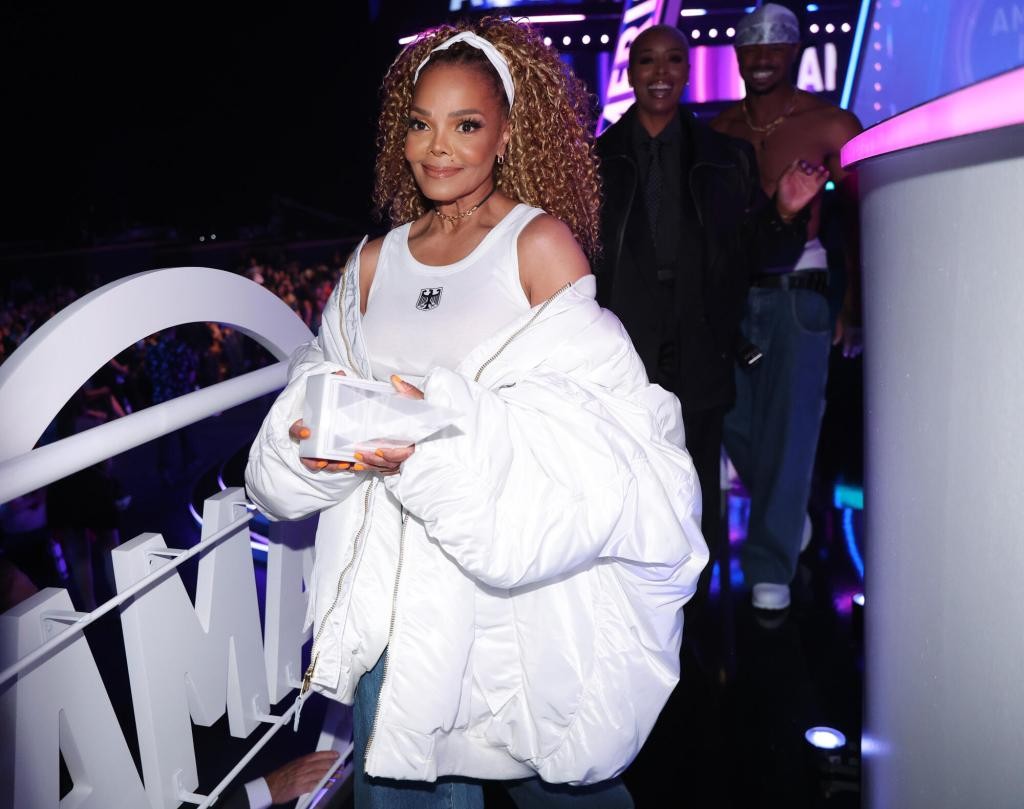
The highly anticipated biopic Michael, scheduled for release on April 24, faces a significant narrative and promotional hurdle: the complete absence of Janet Jackson. Despite being one of the most influential figures in pop music and a sibling who shared a deep bond with Michael, the “Rhythm Nation” singer has no presence in the film.
A Sanitized Timeline
The film, sanctioned by the Michael Jackson estate, appears to take a curated approach to the pop icon’s life. The narrative follows his trajectory from his childhood in Gary, Indiana, with the Jackson 5, through his global superstardom, but concludes abruptly in 1988.
By ending the story in the late 80s, the production avoids the more controversial and darker chapters of Michael’s later life. However, this timeline also conveniently bypasses the complex family dynamics that defined his personal world—most notably his relationship with Janet.
Internal Family Friction and the Estate
The decision for Janet Jackson to decline participation is not merely a professional choice but a reflection of a long-standing rift between several Jackson siblings and the management of Michael’s estate.
The tension stems from deep-seated legal and ethical disagreements:
– Allegations of Mismanagement: In 2012, Janet and several of her siblings (Jermaine, Randy, Tito, and Rebbie) accused the estate’s executors—John Branca, John McClain, and Howard Weitzman—of being abusive toward their mother, Katherine Jackson.
– Will Disputes: The siblings have previously alleged that Michael’s final will was fraudulent, accusing the estate managers of prioritizing wealth and power over the family’s well-being.
– Legacy vs. Profit: This friction suggests a fundamental divide between those who view the estate as a guardian of Michael’s legacy and those who view it as a commercial entity focused on profit.
The Stand of Paris Jackson
The skepticism toward the film is not limited to Janet. Michael’s daughter, Paris Jackson, has also distanced herself from the project. Her concerns are echoed in recent legal filings, which suggest she believes the estate has become a vehicle for personal enrichment for its managers rather than a way to serve the beneficiaries.
Paris has been vocal about her dissatisfaction with the film’s accuracy. In a recent social media post, she clarified her stance:
“I read one of the first drafts of the script and gave my notes about what was dishonest/didn’t sit right with me, and when they didn’t address it, I moved on with my life.”
Her comments highlight a critical issue for biopics: the struggle between historical truth and estate-sanctioned storytelling. When a film is controlled by the entities managing a celebrity’s finances, the “truth” often becomes a secondary concern to brand management.
A Divided Reception
The production does feature a notable family connection: Jafaar, the son of Jermaine Jackson, portrays Michael. While reports suggest Janet has praised her nephew’s performance, her absence from the screen remains a glaring void for fans.
While Michael is expected to perform well at the box office due to the singer’s massive global following, the film faces an uphill battle with critics and die-hard fans. For those who view Michael Jackson through the lens of his entire life and family, a movie that excludes his sister and ignores the complexities of his estate may feel incomplete.
Conclusion: The absence of Janet Jackson from the Michael biopic signals a deeper, unresolved conflict between the Jackson family and the estate managing Michael’s legacy, raising questions about the film’s ultimate accuracy and its portrayal of the singer’s true life.