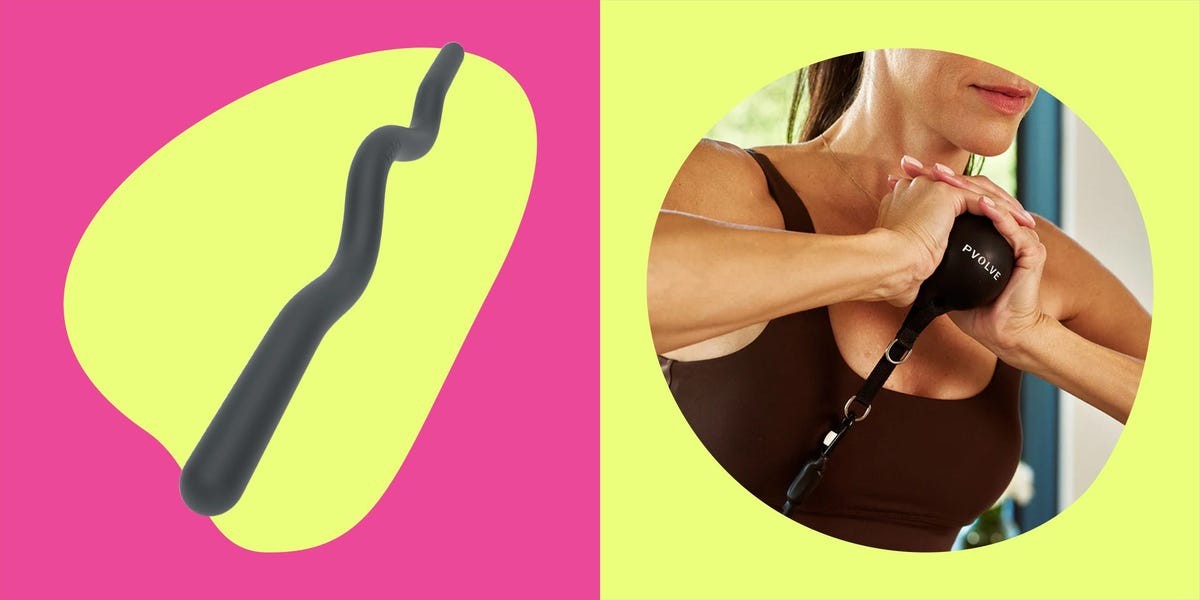
Pilates is widely recognized for its ability to build core strength, improve flexibility, and refine posture. However, for many, the barrier to entry is the high cost of studio memberships and specialized equipment. While a professional Pilates reformer can cost several thousand dollars, Pilates bars offer a strategic, budget-friendly alternative for those looking to bring the practice into their living rooms.
The Value Proposition of the Pilates Bar
A Pilates bar serves as a versatile tool that mimics some of the resistance-based benefits of a full reformer without the massive footprint or price tag.
According to Amanda Jane, founder of Studio X Pilates, these bars are particularly effective because they create push/pull opposition. This mechanism provides resistance beyond just your body weight, allowing you to both lengthen and strengthen the muscles simultaneously. While they may not offer the same level of physical support as a reformer, they are highly effective for performing slow, controlled movements targeting the core, glutes, and legs.
Key Features to Evaluate Before Buying
When shopping for a Pilates bar, your choice should depend on your fitness level, available space, and specific workout goals. To get the most value out of your investment, consider these four critical factors:
1. Materials and Resistance
Most bars are constructed from lightweight metals like steel or aluminum to ensure durability without excessive weight. The resistance is typically provided by latex or rubber bands. When evaluating a bar, check the quality of these bands, as they are the primary engine of your workout.
2. Adjustability and Tension Control
As your strength increases, your equipment needs to evolve with you. Look for bars that offer:
– Tension buckles to adjust resistance.
– Twist mechanisms that shorten the band to increase tension.
– Interchangeable bands of varying thicknesses, allowing you to swap them out for different intensity levels.
3. Ergonomics and Grip
Since Pilates requires controlled, often repetitive movements, comfort is essential to prevent injury and fatigue.
– Padding: Ensure the bar is coated in a comfortable material like EVA foam.
– Hand Placement: High-quality bars often feature designated, extra-padded zones for optimal grip.
4. Portability and Price
One of the greatest advantages of the Pilates bar is its mobility. If you travel frequently, look for models that are detachable or come with a dedicated travel bag.
Regarding cost, the market is highly accessible. You can find entry-level models for as little as $10–$20, while high-performance, multi-purpose bars can reach up to $120.
Summary of Top Picks
Note: The following categories represent the diverse range of options available in the current market to suit different needs:
- Best Overall Pilates Bar: The most balanced option for most users.
- Best Budget Pilates Bar: Ideal for beginners on a strict budget.
- Best Strapless Pilates Bar: For those preferring a different resistance profile.
- Best Heavy-Duty Pilates Bar: Designed for high-intensity or advanced training.
- Best High-End Pilates Bar: Premium materials for the serious practitioner.
- Best Multi-Purpose Pilates Bar: Versatile tools for a variety of exercises.
Conclusion
Pilates bars represent a highly efficient middle ground between expensive studio sessions and much more costly home reformers. By focusing on adjustability and grip, you can build a professional-grade strength and flexibility routine at a fraction of the traditional cost.