The science is catching up to the habit. Smoking pot. A lot of it. Might be killing you slower than you think.
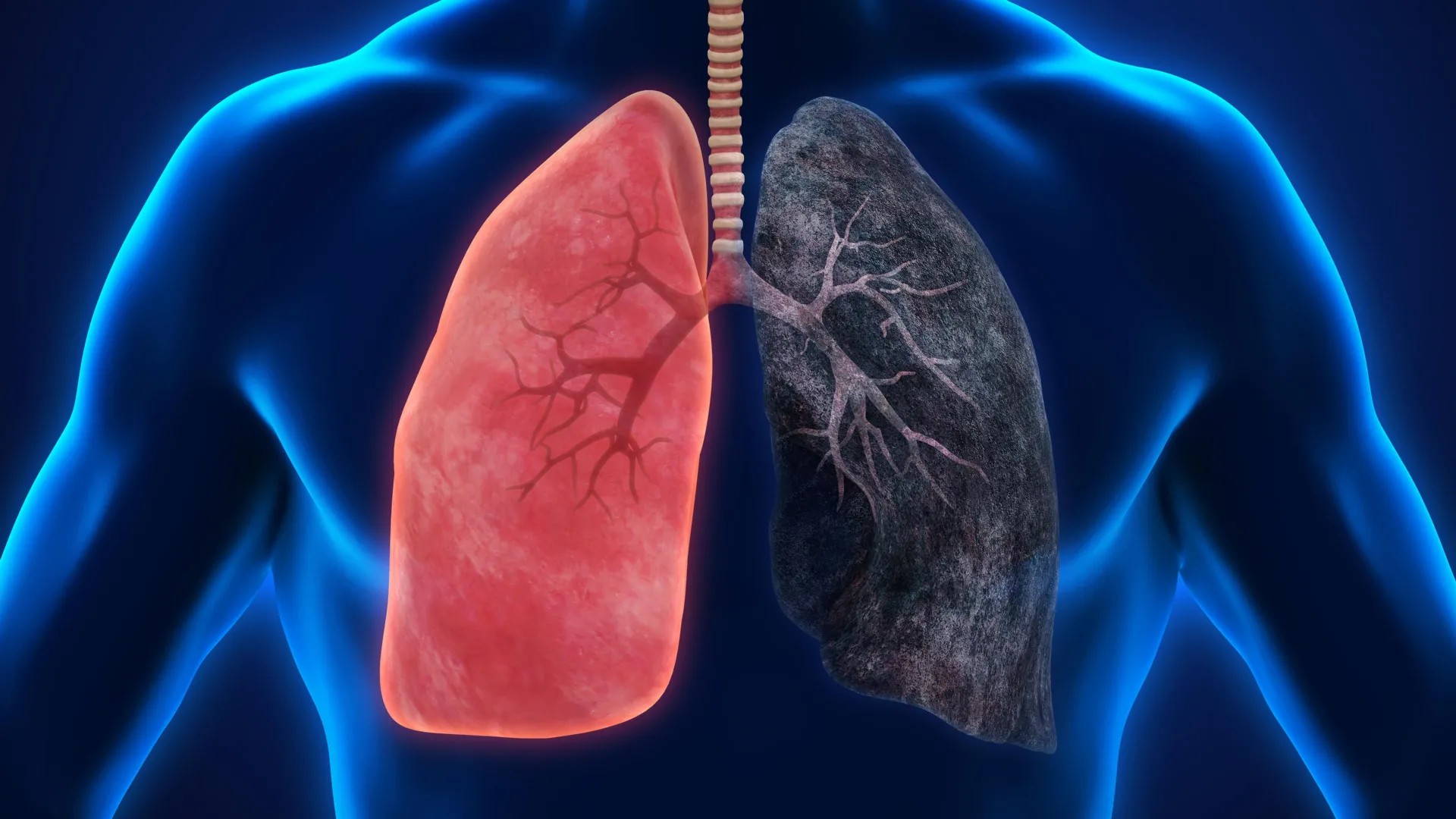
Niels Kokot MD at Keck Medicine dug into this. He looked at the lungs. The data didn’t look pretty. People smoking heavy loads of marijuana faced a higher risk. Small cell lung cancer. Non-small cell lung cell cancer. Both.
It isn’t just the chest cavity.
Daily users were 3.5 times more likely—up to five times more likely—to get head and neck cancer. That covers a nasty spread: the mouth, throat, voice box, tongue, tonsils, salivary glands. The whole upper pipeline.
“My suspicion is that there is probably minimal [risk] for occasional users… All we know right now is that people smoke a lot of marijuana… [who] appear to have a higher cancer risk.”
— Dr. Uriel Udelsman
We don’t have the exact dose yet. How much is too much? Nobody knows for sure. If you hit once a month? You’re probably fine. If you’re in the ER because you smoked too much? You’re in danger territory.
Researchers are also checking the bladder and the gut. Tobacco causes bladder cancer. Marijuana? Maybe. Maybe not. We need to know before we keep breathing it in.
Edibles and the lung
What if you eat it instead?
Lung cancer risk drops to near zero with edibles. There’s simply not enough smoke going into your system to trigger the usual damage. That doesn’t mean edibles are risk-free for everything, but for lungs? They seem safe.
The data is thin there though. We don’t know about other cancer types yet. We just know your lungs thank you.
The chemistry of bad habits
Why does the smoke do it? Inflammation. That’s the villain here.
Tobacco smoke carries over 7000 chemicals. 70 of those are carcinogens. Marijuana smoke has some of those same nasties. But there’s also THC. The stuff that gets you high. It helps convert polycyclic aromatic hydrocarbs PAHs into inflammatory compounds.
Those compounds hit your DNA.
Inflammation plus DNA damage equals cancer. It’s not a magic trick. It’s biology.
Secondhand smoke? We aren’t sure yet. You might be inhaling those inflammatory particles sitting nearby. Could pose a risk. Could not. The jury is out on the passive victims.
The specific cancers
Small cell lung cancer usually means tobacco. Always has. Dr. Udelsman notes it’s “almost unheard of” without inhalational injury. Now? Marijuana smoke counts as that injury.
Non-small cell lung cancer is also up for smokers of both tobacco and weed. If you burn the plant you’re worse off than if you didn’t.
What about vaping?
It feels cleaner. It tastes cleaner. But e-cigarettes bring their own set of horrors. We’re seeing severe inflammatory lung disease from vaping tobacco. Not cancer yet. But inflammation. The same precursor.
Vaping is only about 15 years old. Too new to say it causes lung cancer long-term. But think about the air sacs in your lung. You’re inhaling heated vapor into delicate tissue. Why assume that’s harmless?
The line between harm and hazard
This isn’t calling for panic among the occasional smoker.
Dr. Udelsman distinguishes clearly here. Use it once in a blue moon? Your body recovers. Minimal damage. The inflammation passes.
Use it every day multiple times a day? That’s chronic exposure. That’s when injury builds up. That’s when the risk profile looks like tobacco smoke.
“I’d worry about anything you’re breathing intoyour lungs because it infiltrates the cell and air sacs.”
If you are a heavy user stop guessing. Talk to a doctor. They can look at your risk factors. They might suggest screenings.
The epidemic of lung cancer from marijuana hasn’t hit us yet. It hasn’t. But the path is paved with smoke and uncertainty. And usually when we wait for proof to stop hurting ourselves the proof comes too late.
So you keep smoking? Just keep track of what goes into that smoke machine of yours. Because inflammation sticks around long after the high wears off.