


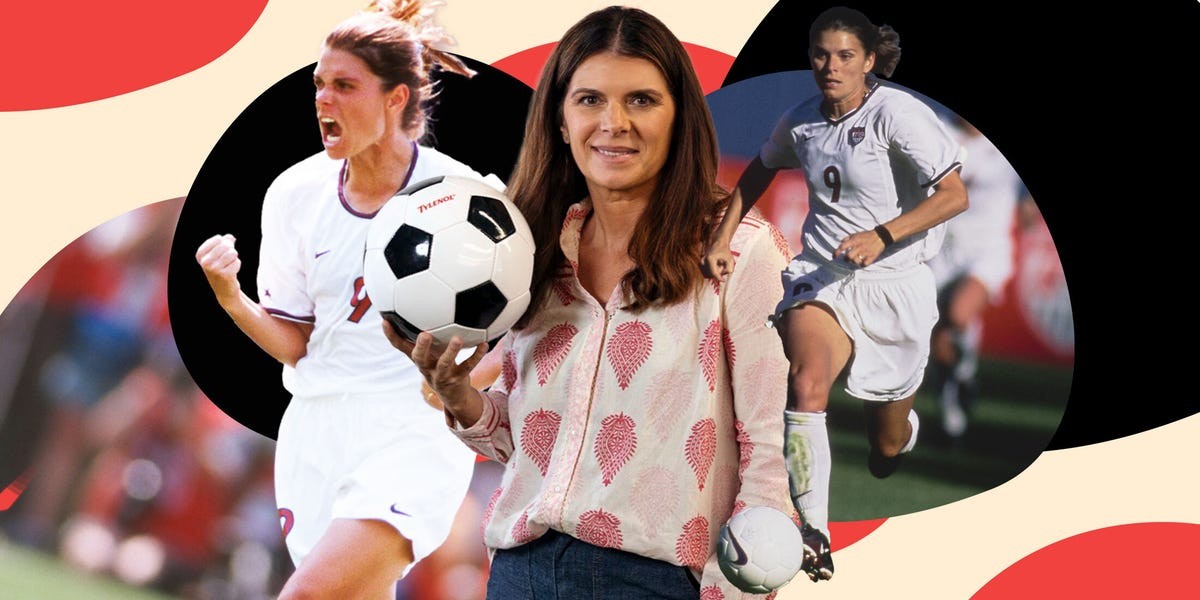
Back in 2004. Women’s soccer looked like a ghost town.
The Women’s United Soccer Association had already folded. No professional league. Nothing until Women’s Professional Soccer limped out in 2009. Even then. The NWSL didn’t take root until 2012.
Mia Hamm was leaving it all behind then. A perfect year for her team though. The USWNT swept every tournament. Gold in Athens. She was only fifteen when she started. Now? Two-time Olympian. World Cup winner. 276 caps. 158 goals.
Glittering resume.
Reality was grittier. Pain wasn’t something you treated. It was something you ignored.
“I think for so long we’ve been asked to kind of power through,” Hamm says. Acknowledging it? Weak. Or so the coaches thought. Just hop in the ice bath. Get on with it.
Most of those girls were still on their mom and dad’s insurance. Or no insurance at all. Recovery was a luxury few could afford. Speak up about an injury? You risked not making the camp roster. The national team was their only paycheck. Their only life. So they played hurt.
Things have changed.
The NWSL has 16 teams now. Contracts are breaking records. Facilities are actually built for humans. Last March they launched the Health Advisory Council. Medical experts. Athletes. Real talk about care.
“Making sure that they acknowledge the pain… and treating them.”
It’s not just about winning anymore. It’s about survival.
Hamm is teaming up with Tylenol. And NWSL star Emma Sears. The campaign is called PainTalk. Simple goal. Stop hiding. Start speaking.
Tylenol is the league’s official pain reliever. They’re dumping a million dollars into it. Part of that goes to the Women’s Sports Foundation. Specifically for a new grant.
Twelve athletes will get $10,00 each. Not for trophies. For doctors. For therapy. For gear that helps you heal.
Hamm notes the mental side matters too. Back in the day your only support system was your teammates. Only during camp. The rest of the time? You were alone. That creates stress. Massive, unspoken stress.
Have we come a long way? Sure.
Is it fixed? No.
“We tend to put everyone else’s needs ahead of our own.”
The cultural shift in women’s sports is bigger than the pitch. It’s about every woman everywhere. Not just pros in cleats.
This campaign is for you. Too. It says you matter. It asks what you are feeling.
And it demands we listen.


