


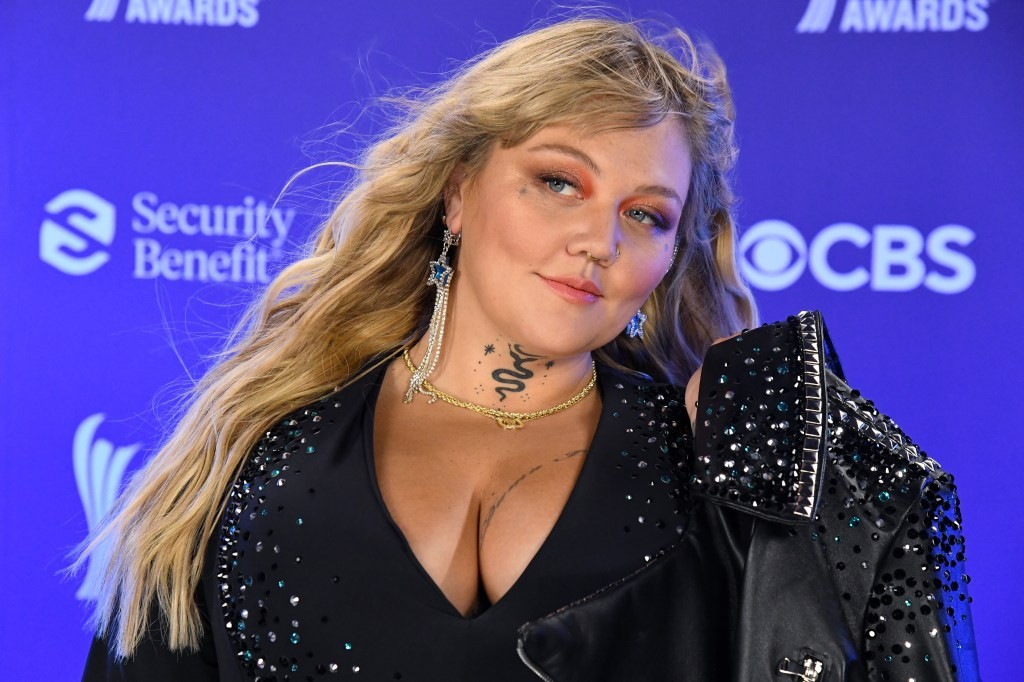
Elle King is thirty-seven years old. That’s older than most people wait to get an autism diagnosis.
But for the Grammy-nominated singer, getting labeled late didn’t feel like a setback. It felt like finally reading the instruction manual for a machine she’d been operating on guesswork for decades.
In May, she posted on Instagram that she was autistic. Since then, she’s been open about how this specific label explains things she used to just shrug off as quirks or bad luck.
The diagnosis didn’t happen in a doctor’s office with a long waiting list. It happened while she was preparing to film Nation’s Dumbest on Fox.
King admitted she panicked. She was terrified she’d actually win the title. So she took two online IQ tests.
She scored a 132. Well above average.
She survived the game show. But the self-reflection afterward hit harder.
“I love games,” King told Us Weekly. “I love game shows. I’m extremely competitive… I actually found out right after the show that I’m autistic, and so I was like, ‘Everything makes so much sense now.’ But I didn’t even know.”
This isn’t uncommon. Women are routinely missed by the medical system.
Autism Spectrum Disorder (ASD) affects how the brain handles social communication and interaction. It’s a spectrum, meaning it looks different for everyone. Yet, for a long time, the diagnostic criteria were built entirely around young boys.
Boys are diagnosed about four times more often than girls.
Why the gap? Outdated benchmarks and “masking.”
Girls are often socialized to internalize struggles. They mimic social cues. They blend in. When they finally seek help, doctors see anxiety, panic attacks, or depression instead of the root cause: neurodivergence.
King isn’t alone in this late realization.
SZA also recently confirmed her ASD, noting how her neurodivergence ties into her pattern recognition skills. Public figures are breaking the silence, and it’s shifting the narrative.
For King, a mom of two, the diagnosis isn’t just a label. It’s a roadmap.
“I’ve had a lot of not-my-proudest-moments,” she explained. “Especially with my autism diagnosis, I am putting-new-kinds-of safety barricades. And I just want to be around-people that I feel-safe around… do-things-that-bring-me-joy.”
She’s drawing hard lines now. Boundaries.
In her original post, she shared an unreleased track about feeling misunderstood. About the weight of past failures. Now, she’s using that clarity to find balance between her career and her home life.
“I really want to be present and enjoy-it,” she said.
Finding answers doesn’t expire. You can drop the mask at any age. You can set the boundaries.
King is just getting started.


