I usually dodge cooking fish.
It’s messy. It’s risky. One wrong minute in the pan and you’re chewing on a dry, rubbery disk. Chicken is safe. Burgers are reliable. Salmon? Salmon is a gamble I usually let the restaurant handle.
But there’s one exception.
Baked salmon at home. I’ve perfected it. It’s fast. It smells amazing. And it feels surprisingly upscale for a Tuesday night that started with zero ambition. But until last year, my method still required a trip to the fish counter, a trip through the checkout line, and the constant anxiety of “is this fresh enough?”
Then I found Egg Harbor Seafood’s Faroe Island salmon at QVC’s Foodie Fest.
I bought a box. I froze it. And now? My freezer is basically just a salmon storage unit. Here is why these specific fillets from the Faroe Islands are the only ones I’m buying right now.
Where Does This Salmon Actually Come From?
Location matters more than you think when it comes to seafood.
Egg Harbor is part of the Rastelli Food Group—the same company behind some serious-grade filet mignon. They don’t just dump fish in a box; they freeze their offerings at peak freshness to lock in flavor. These fillets come from the cold, clean waters off the coast of the Faroe Islands, an autonomous territory within the Kingdom of Denmark.
The water there isn’t just pretty; it’s strictly regulated.
Farmers there deal with harsh standards on fish welfare, feed quality, and the environmental impact of the pens. It’s not the industrial farming you see in some warmer, muddier waters. The result?
“High standards… strict regulations on fish welfare… and environmental impact.”
The salmon that comes out of that environment is clean-tasting. No mud. No excessive fishiness. Just pure, pink protein.
The Texture That Changes Everything
I’ve eaten at high-end seafood spots that charge $40 a plate. Some were great. Some were mediocre.
Egg Harbor’s fillets? They hold their own.
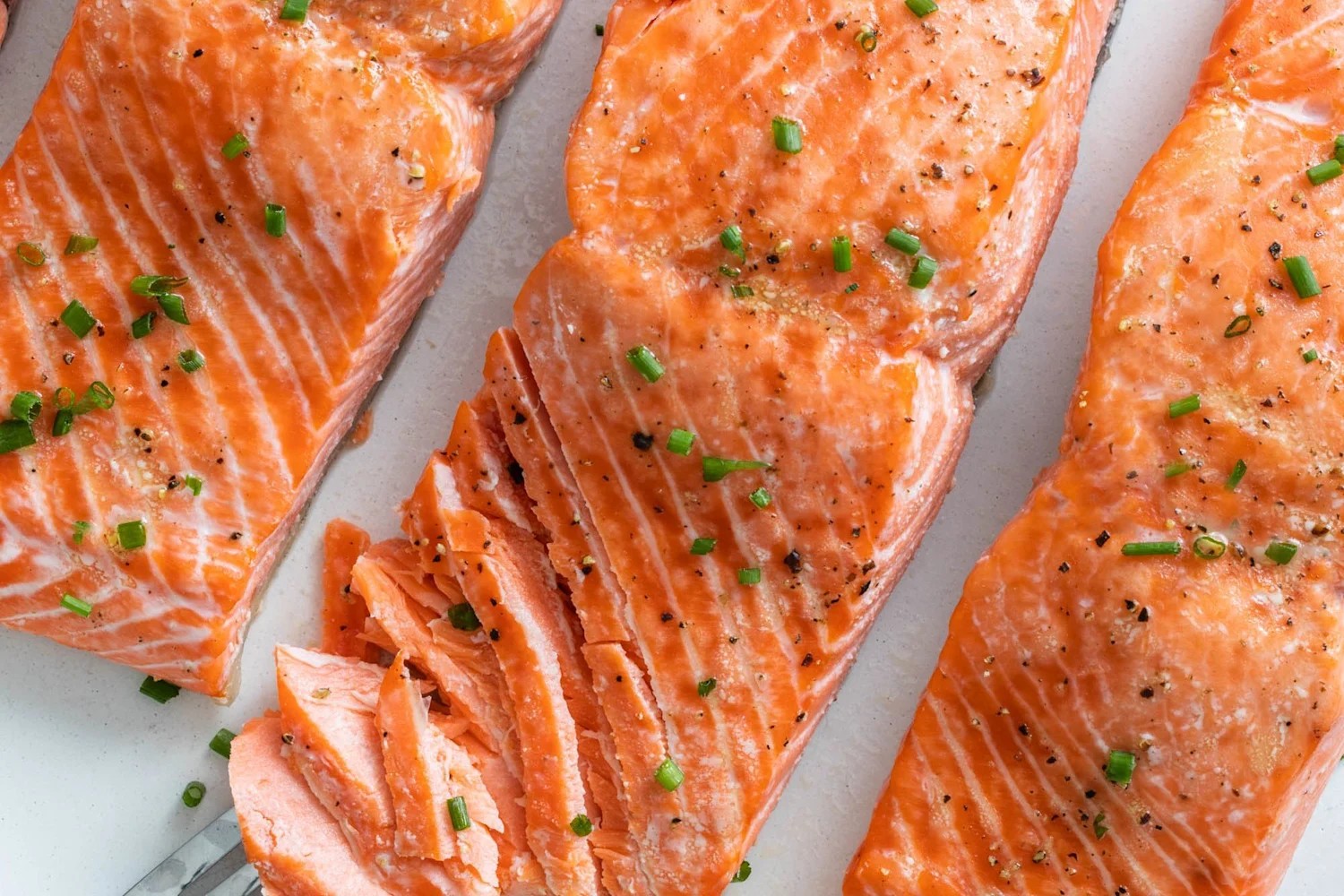
The meat is tender. Silky. It flakes apart when you poke it with a fork, but it doesn’t fall apart before it hits your mouth. That melt-in-your-mouth quality is hard to fake. You can’t rush that. It comes from the fat content and the cold water origin.
When you bake them—yes, just bake them in the oven with a little oil, salt, and lemon—it becomes a meal that feels like a date night dinner. Without the date. Or the dress-up.
You can steam them. Grill them. Pan-fry them. They resist overcooking better than supermarket varieties I’ve tried. The packaging helps, too. Each box has 10 individual six-ounce fillets. They are vacuum-sealed and shipped on dry ice.
By the time they show up at your door (usually within two days), the ice is still there. The fish is still cold. It’s still perfect.
Why Is Everyone Buying This?
You might think I’m just a lucky early adopter. I’m not.
Over 3,000 shoppers on QVC have rated these fillets five stars. One buyer summed up the collective experience perfectly:
“I’ve definitely given up buying salmon at the超市. This salmon was heads and shoulders above…”
They talk about the freshness. The texture. The fact that it actually arrived frozen.
Let’s talk numbers.
Each fillet works out to $10.
Think about that. You are paying $10 for a high-quality, sustainable, cold-water salmon fillet that rivals $30 entrees in restaurants. If you buy salmon at a grocery store expecting that level of quality, you’re likely paying $15 or $20 for less than half that weight.
It’s a steal. It’s a logistical win. It’s also flexible.
You can order it once. You can set up automatic shipping every 60 days. This is important because once you try these, you won’t want to go back to the thin, dried-out fillets from the discount supermarket. You’ll want stock. Always.
How to Cook Them Without Ruining It
You don’t need a recipe.
You don’t need to marinade them for four hours.
Preheat your oven to 400°F. Line a baking sheet with foil. Place the thawed fillets on top. Drizzle with olive oil. Sprinkle with salt and pepper. Add a lemon wedge on top if you like acidity.
Throw them in.
Bake for about 10 to 12 minutes. That’s it.
The skin gets crisp. The meat stays juicy. If you leave it in for 15 minutes, it’s still edible. If you leave it for 20, you’re just testing your will to live.
Serve it with roasted asparagus. Or a simple green salad. Or eat it straight off the tray with a fork like a barbarian. The versatility is the point.
Is It Worth The Price?
At $119.98 for the box (usually $129), you’re prepaying for convenience and quality.
For families or people who cook dinner regularly, it cuts the weekly grocery run in half. You don’t have to worry about the “fishy smell” lingering in your house. You don’t have to debate which fillet looks freshest in the display case. You open the freezer, pull out two packages, and you’re done.
The math is simple.
If you value your time. If you value not wasting food. If you value dinner that feels fancy without the effort.
This is it.
Just make sure you have freezer space. Because you’re going to keep coming back.