


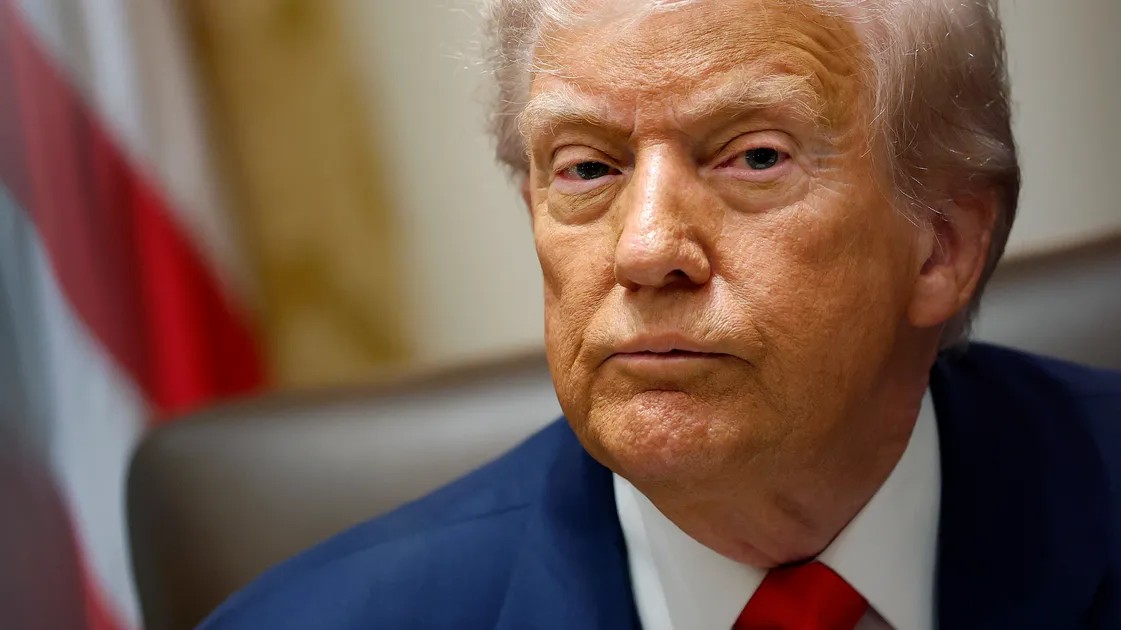
Donald Trump posts at midnight. He shares AI images that make no sense. He writes long rants about people who annoy him.
Then, he stops.
He hits send with a phrase that feels like it belongs in a 19th-century letter to the editor:
Thank you for your attention to this matter.
It is jarring. It is formal. It sits at the bottom of Truth Social posts like a period at the end of a shouting match.
Claire Robertson, an assistant professor of political polarization at Colby College, finds the habit strange. Trump usually relies on morally loaded words. Hoax. Corrupt. These terms trigger anger. They spread fast within political silos because they signal tribal loyalty.
This phrase? It has no moral weight. It isn’t negative. It doesn’t fit the data.
“It’s really different than how he typically posts.”
So why use it? And what does signing off like a human resources director reveal about the man himself?
Decoding Trump’s Formal Social Media Sign-Off
Shenikka Moore-Clarke, a psychotherapist, sees it as a power play.
The phrase asserts control. It sounds like a warning from a lawyer or a memo from a CEO who has just fired you. From a clinical perspective, repeating it builds authority.
Trump likes control. He is famous for handshakes that pull people off balance. This text signature does the same thing digitally. It sets the terms of engagement before you even read the post.
It is presumptive. It assumes you are paying attention. It assumes you should be.
There is no room to question the premise.
“It’s less about gratitude and more than command.”
The words say thank you, but the intent is compliance. Readers are instructed to take note. To obey the importance of the message. It makes followers trust him as a source of power, Moore-Clarke says, even if the content is harmful or false.
How The Phrase Signals Policy Relevance
Language creates micro-cultures.
Think about how your friend group uses slang. Outside that group, the words mean nothing. Inside, they carry specific weight.
Robertson suggests Trump is doing the same with this closing tag.
If you watch his feed closely, you might notice a pattern. He doesn’t use the phrase for memes. He doesn’t attach it to promotions for his son’s books. He saves it for the heavy stuff.
Announcing Casey Means as Surgeon General?
Thank you for your attention to this matter.
Telling Democrats to reopen the government?
Thank you for your attention to this matter.
The phrase punctuates serious posts. It signals policy relevance.
“It might be a signal that this is something serious.”
Is he doing this on purpose? Maybe.
But humans use linguistic cues without thinking. Do you change the way you speak to your partner when you are mad? Probably. Do you realize you are doing it? Probably not.
Trump may be using this formal closer intuitively. Or he may be crafting a digital brand of stern authority.
We don’t know for sure.
We do know he doesn’t use it often. He doesn’t say thank you much.
That makes these posts stand out. They demand a pause. They demand respect, regardless of whether you agree with the content.
It is a subtle control tactic.
Does it work?
People keep reading.


