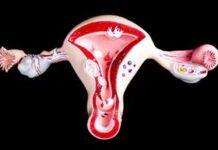
Your body is a messy, beautiful, complicated machine. The reproductive system isn’t just one thing; it’s a tangled web of hormones, glands, and signals firing off in the dark. If you are trying to conceive, or just trying to understand your body, you’ve probably heard of FSH. It stands for follicle-stimulating hormone. It sounds clinical. It is. But it’s also the primary driver of egg development in women.
The pituitary gland makes it. This tiny, pea-sized organ sits at the base of your brain. It’s the boss of the endocrine system. It doesn’t just take orders; it gives them. The pituitary has three parts. The back part handles things like oxytocin, the bonding hormone that kicks in during birth or breastfeeding. The middle part deals with skin pigment. But the front part? That’s where the magic happens. It pumps out growth hormone, thyroid stimulators, and the big two for reproduction: LH and FSH.
In men, FSH helps mature sperm. In women, it wakes up the ovaries. Specifically, it tells the ovaries to grow follicles. These follicles hold the eggs. Every month, while a symphony of other hormones plays in the background, FSH is the one that lights the match. It forces a mature egg to develop. Or several. That’s why you can sometimes release more than one egg in a cycle.
But here is the thing about FSH that keeps many women up at night: the levels change. They jump around daily. They shift from month to month. And they scream a lot about your fertility. Low levels generally mean you have plenty of eggs, and they are good quality. High levels? That’s the warning sign. It doesn’t mean you are sterile. It means the path to pregnancy might be steeper. It means getting pregnant and staying pregnant might be harder than for someone your age with “average” levels.
So, what do normal numbers look like? And what happens when they go off the rails?
What Causes High FSH Levels
There is no single “normal” number. It depends on your age. It depends on whether you are a man or a woman. Adult men usually sit between 1.5 and 12.4 milli-international units per milliliter (mIU/ml). Women who haven’t hit menopause yet? The range is wider. 4.7 to 21.5 mIU/ml. But that range shifts depending on where you are in your cycle.
You can check this at home. FDA-approved kits exist. You pee on a stick. Usually, they want you to test on day three of your cycle. Or you can go to a doctor. Blood test. Same day. They often check LH at the same time to get the full picture. At-home tests aren’t available for men yet, but for women, it’s pretty straightforward.
But why do levels spike? Autoimmune disorders like Graves’ disease. Genetic quirks like fragile X syndrome. Polycystic ovarian syndrome (PCOS). These mess with the endocrine system. They throw FSH out of whack.
The biggest factor is age. It’s the number one indicator. As you approach menopause, FSH starts climbing. It begins rising about ten years before the actual stop. The body is screaming at the ovaries. Make an egg. But the ovaries are empty. Or nearly empty. So the pituitary gland cranks out more and more FSH, hoping for a response that never comes. Postmenopausal women can have levels between 25.8 and 134.8 mIU/ml. That’s normal for them. It’s a natural state.
But if you are premenopausal and your levels are high? That’s different. That could be a pituitary disorder. It could be from chemotherapy. It could be radiation. It’s a sign your egg supply is diminishing. The body is trying to stimulate eggs long after the supply is spent. It’s a futile effort, but it’s what the biology does.
The LH/FSH Ratio in PCOS
LH and FSH are partners. They work together. LH drives ovulation. FSH prepares the egg for it. In a normal premenopausal cycle, the ratio of LH to FSH is 1-to-1. Balanced. Equal.
PCOS changes the math. PCOS affects about 5 million American women. It’s common. In these cases, FSH levels drop. But LH stays high, or spikes. The ratio shifts to 2-to-1. Or 3-to-1. The balance breaks. The ovaries get confused. They don’t ovulate properly. The eggs don’t mature right.
This ratio matters. It’s a clue. If your FSH is low and your LH is high, you might be looking at PCOS. If your FSH is high, you might be looking at diminished ovarian reserve. The numbers tell a story. But they don’t tell the whole story. They are just data points.
Why This Matters for You
Understanding FSH isn’t just about memorizing numbers. It’s about knowing your timeline. If you are planning a family, and you are over 35, checking these levels might make sense. If you have irregular cycles, it’s worth asking. If you’ve been trying for a year without success, it’s essential.
But don’t panic if your number is slightly off. One test isn’t a diagnosis. Hormones fluctuate. Stress affects them. Sleep affects them. Your body isn’t a machine; it’s a living thing. It reacts to the world around it.
The goal isn’t to have “perfect” numbers. The goal is to understand what your body is telling you. High FSH means the ovaries are struggling. Low FSH might mean the signal isn’t getting through. Both need attention. Both need context.
There are ways to manage this. Lifestyle changes. Medical intervention. Sometimes nothing. But knowing where you stand changes everything. It takes the fear out of the unknown. It gives you a roadmap. Even if the road is rocky.
What do you do with that information? That’s up to you. But you can’t make informed choices in the dark. FSH is a flashlight. Point it where it needs to go.
Hormones, Lifestyle, and the Reality of FSH
If your doctor tells you your Follicle Stimulating Hormone (FSH) is high, you might feel like you’re staring down a wall. But for some women, that wall has a door. Prescribed hormones can help lower those levels. It depends on where you are in your journey.
If you’re premenopausal and not trying to conceive right now, birth control pills are often the go-to. They help balance the hormonal chaos. But if you’re actively trying to get pregnant, the playbook changes. Doctors might prescribe synthetic estrogen, or drugs like cimetidine, clomiphene, digitalis, or levodopa. These are fertility treatment tools. They aim to tweak your hormone levels enough to conceive naturally—or at least before you need to consider donor eggs.
But meds aren’t the only lever you can pull. Many women look to lifestyle and diet as a complementary move. The link between weight and FSH is murky. It’s not a direct cause-and-effect line. However, weight undeniably shifts the entire hormonal landscape of your body.
Let’s look at the numbers. Women with a BMI between 25 and 29.9 (overweight) have a 26 percent lower chance of conceiving. If you’re obese, with a BMI of 30 or higher, that chance drops by 43 percent compared to women with a normal BMI of 18.5 to 24.9. These stats come from the Centers for Disease Control and Prevention, alongside research by Boyles.
Why does this happen? Insulin is a big part of the puzzle. When you gain weight, insulin levels often rise. This is a common precursor to type 2 diabetes. Your body tries to regulate itself. It overcompensates. Reproductive hormones get thrown off balance. Too much or too little of the wrong signal can shut down your ability to conceive.
Here’s the hard truth, though. Lowering FSH doesn’t guarantee you’ll get pregnant. Not naturally. Not with IVF.
Think of FSH levels less as a binary pass/fail test and more as a window into your ovarian reserve. It’s your potential for conceiving with your own viable eggs. It’s one piece of a much larger, messier puzzle. Don’t treat it as the final word on your fertility.
The Male Factor
We often forget that fertility is a duo. But the data is clear: men carry weight, they suffer infertility.
A study published in Fertility and Sterility found that overweight or obese men have abnormal levels of testosterone and FSH. This hormonal imbalance decreases their chances of conception just as much as it does for women. It’s not just about your body. It’s about both.