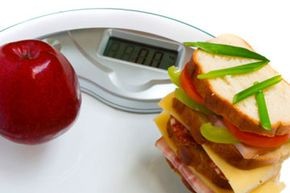
We’ve been sold a lie. The USDA Dietary Guidelines boil down to two things, mostly. Eat less. Move more. It sounds reductive, maybe even insulting. But here’s the thing. Neither healthy eating nor physical activity alone creates the most effective weight control. One might work for a bit. The other might keep you steady. But together? That’s where the magic happens, if you can call math magic.
The goal isn’t to hate food. It’s to find your specific balance between calorie intake and calorie expenditure. This balance is unique to you. It depends on whether you’re trying to lose weight, maintain it, or just stop the slow creep of gain over time.
We tend to demonize calories when the scale moves up. But calories aren’t villains. They’re just a unit of measurement. Like miles. You don’t hate miles until you’re stuck in traffic with three hours left on the drive. Same logic. Calories only become the enemy when the number on the scale says you’ve gained weight.
Understanding Your Basal Metabolic Rate
Your body needs fuel. Plain and simple. Calories keep your heart beating, lungs breathing, and brain thinking. Even when you’re sleeping, your body is burning energy. This is your basal metabolic rate (BMR). Think of it as an idling engine. It burns fuel constantly just to keep the car running.
Your BMR accounts for about 60 to 65 percent of all the energy you burn in a day. That’s a lot.
When you move, you step on the gas. Any physical activity burns more fuel. Increase the intensity, you burn more. Increase the time, you burn more. It’s basic physics applied to biology.
To visualize this, picture an old-fashioned balance scale. The center beam is you. The left dish holds the calories from food and drink. The right dish holds the calories you burn through metabolism, digestion, and activity.
When the dishes are level, your weight stays the same. That’s maintenance. If you put more in than you burn, the scale tips left. You gain weight. If you burn more than you eat, it tips right. You lose weight. Weight management is just input versus output. Nothing more, nothing less.
How Many Calories Are in a Pound of Fat?
This is the number everyone forgets. Or maybe never knew.
One pound of body weight equals 3,500 calories.
That’s the key to creating a calorie deficit. To lose one pound, you need a 3,500-calorie shortage. You do this by eating less, moving more, or both. To gain a pound, you do the reverse. A 3,500-calorie surplus.
3,500 sounds huge. It isn’t, really. Not when you spread it out.
Gaining a pound is as easy as eating 250 extra calories a day for two weeks. That’s three chocolate chip cookies. Or two ounces of cheddar cheese. Small things add up. Skipping a daily 250-calorie workout without cutting back on food does the same.
Being aware of this math is the first step toward real control. It motivates you to tweak your diet. It pushes you to take the stairs instead of the elevator. It changes your routine in small, sustainable ways.
You don’t need a drastic overhaul. You just need calorie awareness. Once you understand how energy balance affects your weight, you’re ready to look at the specifics of the USDA guidelines. The next step is figuring out how to apply these rules to your actual life.
Awareness is the precursor to action.
So, which approach fits your life? Do you prefer tweaking your plate or changing your movement? There’s no right answer. Just the one that sticks.
How to burn more calories without hating exercise
You’ve got the eating part handled. Or at least you have a plan. Now comes the second half of the equation. Moving.
It’s not about running until you pass out. It’s about making your body work a little harder than it did yesterday. And honestly? It’s easier than you think if you stop treating exercise like punishment.
Think about it. Your body is a machine. You feed it. You drive it. If you only feed it and never drive it, the engine gums up. Simple physics.
So how do you actually burn more?
Start by looking at your day. Where are you sitting? How long?
Small moves add up fast
You don’t need a gym membership to start burning calories. You just need to interrupt the stillness.
Take the stairs. Park further away. Walk while you talk on the phone. These aren’t just clichés. They’re calorie counters.
Let’s look at the math again. Remember that 100-calorie deficit? You can create that gap by moving, too. Walking briskly for just 30 minutes can burn that extra 100-150 calories depending on your weight. Do that every day and you’ve got another 10 pounds of annual weight loss potential.
It’s not magic. It’s consistency.
Why movement matters beyond the scale
Here’s the thing nobody tells you. Burning calories isn’t just about weight. It’s about energy. It’s about mood. It’s about keeping your metabolism humming along, just like regular meals do.
When you’re sedentary, your body gets lazy. It starts to hold onto every calorie you eat. When you move, you signal to your body that it needs to stay ready. Stay alert. Burn fuel.
“Movement is medicine.” — Old saying, but true.
You don’t have to run a marathon. Just get up. Stretch. Walk around the block. Dance to your favorite song while you cook dinner.
What burns the most calories?
Not all movement is created equal. Some activities burn more than others. Here’s a rough guide:
- Running – High calorie burn. Good for cardio. Hard on joints if you’re new to it.
- Cycling – Great for legs. Easy on joints. Can be done indoors or out.
- Swimming – Full body workout. Low impact. Burns a lot of calories.
- Weight training – Builds muscle. Muscle burns more calories at rest than fat.
- Walking – Low intensity. Easy to do. Great for beginners.
Which one should you pick? The one you’ll actually do.
If you hate running, don’t run. If you love dancing, dance. If you prefer walking your dog, walk your dog. Consistency beats intensity every time.
Making it stick
The hardest part isn’t starting. It’s stopping.
So make it easy. Keep your walking shoes by the door. Schedule your workout like a meeting. Find a buddy. Join a class. Put on music.
Small changes. Big results.
You’ve got the food down. Now move.

Move more, gain less: the muscle-metabolism connection
Movement isn’t just about burning calories right now. It’s about changing how your body works. When you exercise, you rev up your internal engine. That engine stays hot for a while after you stop. You’re burning more even while you sit on the couch later.
Strength training matters more than you think. It builds lean muscle. Muscle tissue is hungry. It burns more calories than fat does, even at rest. The more muscle you have, the faster your metabolism runs. This is your secret weapon against the slow creep of aging.
Aging slows you down. Muscle mass drops about five percent per decade. Your metabolism follows suit. It slows. You gain weight without trying. Keeping active prevents this slide. It protects your muscle mass. It keeps your metabolic fire lit.
You don’t need to run marathons to fix this. The math is surprisingly small. Gradual weight gain often comes from just 100 extra calories a day. Eliminate those 100 calories, and you manage your weight. Lose 10 pounds in a year? Cut 100 calories daily for 365 days. It’s that simple. Or at least, it starts there.
How to cut 100 calories from your diet
Small swaps add up. You don’t need to overhaul your entire pantry. Just tweak the edges. Here are five easy ways to trim that daily total.
- Swap a 12-ounce regular soda for diet or water.
- Drink two cups of fat-free milk instead of whole milk.
- Use mustard, ketchup, or fat-free mayo instead of a tablespoon of regular mayo.
- Share a small order of fries. Split them with a friend.
- Slice your pie or cake portion one-third smaller than usual.
Burn 100 calories with everyday movement
If you can’t cut the food, move it off. These activities burn roughly 100 calories for a 150-pound person. Heavier people burn more. Lighter people burn less. Adjust accordingly.
- Pedal an exercise bike for 13 minutes.
- Dance fast for 16 minutes.
- Garden for 18 minutes.
- Walk briskly (3.5 mph) for 23 minutes.
- Clean the house for 25 minutes.
Combine food cuts with quick walks
Why do one when you can do both? Pair small dietary reductions with short bursts of walking. It balances the ledger without feeling like a punishment.
- Eat five fewer potato chips. Walk for 6 minutes.
- Skip a quarter-cup of spaghetti with sauce. Walk for 11 minutes.
- Use two teaspoons of apple butter instead of butter on toast. Walk for 11 minutes.
- Eat three tablespoons less mashed potatoes. Walk for 13 minutes.
- Skip two half-and-half creamers in your coffee. Walk for 15 minutes.
“Physical activity and walking estimates based on calories burned by a 150-pound person.”
These numbers are guidelines. Your body is unique. The point is consistency. Not perfection.
We’ll look at the third pillar of calorie control next: making wise food choices. It’s not just about quantity. It’s about what you put on the plate.
This information is for educational purposes only. It is not medical advice. Consult your physician before changing your diet or exercise routine. The publisher and authors assume no responsibility for consequences arising from the use of this information.
Fats, Proteins, and Carbs
Choosing Nutrient-Dense Foods for Sustainable Weight Management
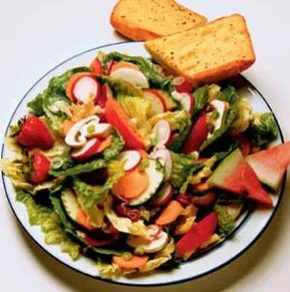
Cutting calories doesn’t mean starving yourself of good food. It means getting smarter about what you eat. You want foods that pack a nutritional punch without the calorie bloat. These are called nutrient-dense foods. They give your body vitamins, minerals, and benefits while keeping the weight in check. If you want a routine you can actually stick with for years, you need balance. Not perfection. Balance.
This means eating from every food group. Each one brings something different to the table. You need a mix of carbohydrates, protein, and fat. Cutting out an entire category? That’s a recipe for disaster. Think you’ll never eat another carb? Or give up fat forever? It’s not realistic. Restricting macronutrients leads to health issues and eventual weight regain. Your body needs all three to function. The 2005 Dietary Guidelines for Americans agree. They recommend a balanced diet including carbs, protein, and fat.
How to Eat Carbohydrates for Energy and Weight Loss
Carbs are supposed to make up 45 to 65 percent of your daily calories. That’s not hard. Almost everything you eat has some carbs, except for meat, fish, and poultry. There are two types: simple and complex.
Go for complex carbohydrates. They are rich in fiber, vitamins, and minerals. They are naturally low in fat and calories. Fiber is key here. It’s the indigestible part of plants. It has no calories but does a lot for your digestion and weight loss. Fiber acts like a sponge in your stomach. It absorbs fluid and expands. This makes you feel full with less food. It also stabilizes blood sugar. No more sharp drops that trigger cravings. Plus, it helps lower cholesterol and keeps your intestines moving. You find these complex carbs in whole grains, legumes, and vegetables.
Avoid refined carbs like white flour and white rice. They have lost most of their fiber and nutrients. Simple carbs are found in milk, fruit, and some veggies. These are fine. They come with vitamins and minerals. But steer clear of processed sugars like table sugar and corn syrup. They offer nothing but empty calories.
Carbs are your body’s primary fuel. They break down into glucose. This is the best energy source for your brain and muscles. Without enough carbs, your body panics. It tries to make glucose other ways. The result? Low energy. Fatigue. Dizziness. Brain fog. Limiting carbs actually hinders weight loss. Your body needs carbs to burn stored fat. Eat the right amount, and you’ll lose fat while feeling better.
Protein Intake: Why Less Might Be More
When it comes to protein, choose wisely. Lean meat, fish, poultry, eggs, legumes, nuts, and seeds are all good options. Nuts and seeds are calorie-dense, so keep portions small. Use them as occasional choices.
Most Americans already eat twice the recommended amount of protein. You probably don’t need more. Two or three servings a day is usually enough. Protein helps build, repair, and maintain your body. Some protein substances your body can’t make on its own. You have to get them from food. That’s why it’s important. But don’t overdo it.
The Truth About Fats and Essential Oils
The MyPyramid food guide introduced a yellow band for healthy oils. This was the first time a U.S. food guide treated oils as a necessary food group. Healthy fats include vegetable oils, fish oils, and oils in nuts and seeds.
But watch out for solid fats. These are in meat, whole-fat dairy, and processed foods. Fat is high in calories, yes. But it’s essential. Total fat should make up 20 to 35 percent of your calories. Most of that should come from oils. Why keep the percentage so high? Because fat does vital work.
Vegetable oils provide vitamin E. This is an essential fat-soluble vitamin. Healthy oils also supply essential fatty acids like omega-3s. Your body can’t make these. You must get them from food. Fat is also critical for brain and nerve development.
Fat recommendations vary by age:
– Adults: 20-35 percent of calories
– Ages 4-18: 25-35 percent of calories
– Ages 2-3: 30-35 percent of calories
– Newborns to age 2: No specific limit (high fat is necessary)
We will look at restricting fat and managing fluids and vitamins next.
Why Fat Isn’t the Enemy—It’s Just Pickier Now
You’ve handled the basics. Now we get into the nuances. The stuff that actually keeps the scale moving without making you miserable.
Fat gets a bad rap. It shouldn’t. It keeps you full. It makes food taste like food. But you have to be strategic. Most of your fat intake should come from oils. Think monounsaturated fats like olive and canola oil. Or polyunsaturated fats found in soybean, safflower, corn, and sunflower oils.
The USDA Dietary Guidelines are pretty clear on what to limit. Saturated fat. Keep it under ten percent of your total calorie intake. That means cutting back on non-lean meats, full-fat dairy, and tropical oils like palm kernel or coconut oil.
Then there are trans fats. The real villains. These are hydrogenated fats—unsaturated fats that got processed into something your arteries hate. You’ll find them in margarine, fried foods, and most baked goods from a box. They clog arteries. They raise cholesterol. Avoid them.
Aim for about 20 percent of your calories from fat if you’re trying to lose weight. Go higher, and you tip the calorie scale in the wrong direction. Stick to heart-healthy oils. Keep solid fats minimal. It’s a trade-off, but it’s worth it.
How Water Actually Helps You Lose Weight
We forget that calories come in a glass.
Watching your beverage intake is a low-effort way to cut calories. Water has zero calories. It fills you up. It stops you from grazing out of boredom or thirst.
Drink eight cups a day. It’s a simple rule of thumb. Water doesn’t give you vitamins, sure. But it’s essential for weight loss. It expands the fiber in your food, keeping you satisfied longer. It helps turn stored fat into energy by transporting the nutrients needed for that process.
Dehydration causes fatigue. Mental fog. Headaches. You think you’re tired because you need coffee. You might just need water.
Eat more fruits and vegetables. They’re mostly water. They count toward your intake. It’s a double win.
Which Vitamins and Minerals Do You Actually Need?
The Dietary Guidelines push for foods low in calories but high in nutrients. Nutrients aren’t just carbs, protein, and fat. They’re the micronutrients. Vitamin A. B-vitamins. C, D, E, and K. Minerals like calcium, magnesium, phosphorus, iron, zinc, selenium, and potassium.
And phytochemicals. These are natural plant compounds. They help prevent cancer. They might protect against other chronic diseases. Think carotenoids, flavonoids, isoflavones, and protease inhibitors.
Most people do the opposite. They eat foods high in calories but low in nutrients. It’s a trap. The more empty calories you consume, the harder it is to get the vitamins you need without gaining weight.
Flip the script. Choose foods low in calories and rich in nutrients. This is the base of a balanced diet. Sufficient vitamins and minerals let your body function properly. They help your fat cells release stored fat.
Your best bets? Vegetables. Fruits. Whole grains. Low- or nonfat dairy. Lean protein.
The Dietary Guidelines and MyPyramid offer a roadmap. No foods are forbidden. They give you specific amounts based on your calorie needs. Pair this with physical activity. It’s not a quick fix. It’s a lifestyle.
Controlling calories is key. But it’s not the whole story. Eat wisely. Move more. The rest follows.
The fine print you actually need to read
Standard disclaimer. This isn’t medical advice. It’s information. There is a difference.
The editors at Consumer Guide, the authors, and Publications International, Ltd. aren’t liable if you try something new and it goes sideways. Not for treatments. Not for exercises. Not for dietary changes or medication adjustments. If you read this and decide to change your life based on it, that’s on you.
The publication of this information does not constitute the practice of medicine.
That’s the key sentence. Reading an article doesn’t make the writer your doctor. It doesn’t replace the advice of your actual physician. Or any other healthcare provider you trust.
Before you start any new treatment, talk to a professional. Seriously. Don’t skip this step because you found a convenient online guide. Your body isn’t a experiment for internet articles. Seek advice. Get clearance. Then maybe proceed.
It’s boring. It’s also necessary.