The moment winter settles in, the war begins. It’s not against the cold. It’s against the frizz. You know the enemy. Those tiny, rebellious strands that turn a sleek hairstyle into a static-charged disaster the second humidity spikes. Or an scarf rubs against your hair. Or both.
It is the eternal return of unruly hair. And now, a bizarre trick is sweeping through social media feeds, dividing the beauty community. Some swear by it. Others think it’s madness. The promise? Taming curly, frizzy hair without expensive salon visits or heavy, clogged products.
Is it a gimmick? Or the holy grail for winter hair? Let’s look closer at why this happens and why men’s bathroom cabinet might hold the answer.
Why Do We Get Frizzy in Winter?
If you’ve stared into the mirror on a rainy morning and wondered why your hair looks like a storm cloud, you’re not alone. Frizz affects everyone. Straight, curly, coily. The weather doesn’t care about your hair type.
The culprit is often the hygral expansion of the hair shaft. Here is the science, stripped of jargon: when humidity rises, the hair cuticle opens up. It acts like a sponge. Water infiltrates the fiber. The hair swells. The strands stand up. Discipline is lost.
But it’s not just the weather. It’s our daily routine.
The Daily Enemies of Smooth Hair
Winter creates a hostile environment for hair health. You have the thermal shocks. Moving from a heated office to freezing outdoors. From a hot shower to dry, heated air. The contrast is brutal.
Add in friction. A wool beanie rubbing against your scalp. Drying your hair with a rough towel. Using the wrong brush. These actions raise the cuticle even more. The result is that electric, fuzzy halo. It looks like you’re channeling a 1980s rock star. Or a witch. Probably not the look you want for the holidays.
We often try to combat this with heavy masks or oils. But here is the trap: some products are too rich. They weigh the hair down. They make it greasy. They don’t stop the frizz; they just hide it temporarily under a layer of sludge. And heat styling? Flat irons damage the fiber long-term. More damage often means more frizz later. It’s a vicious cycle.
The Unexpected Solution: Shaving Cream
Enter the outlier. The item that makes people blink in confusion. Shaving cream.
Yes, that shaving cream. The stuff in the blue or white can, meant for beards. Since a few months ago, this product has popped up on TikTok and Instagram as a secret weapon against frizz. It started with a few savvy users. Then it exploded. Now, there are tutorials. Tests. And plenty of skepticism.
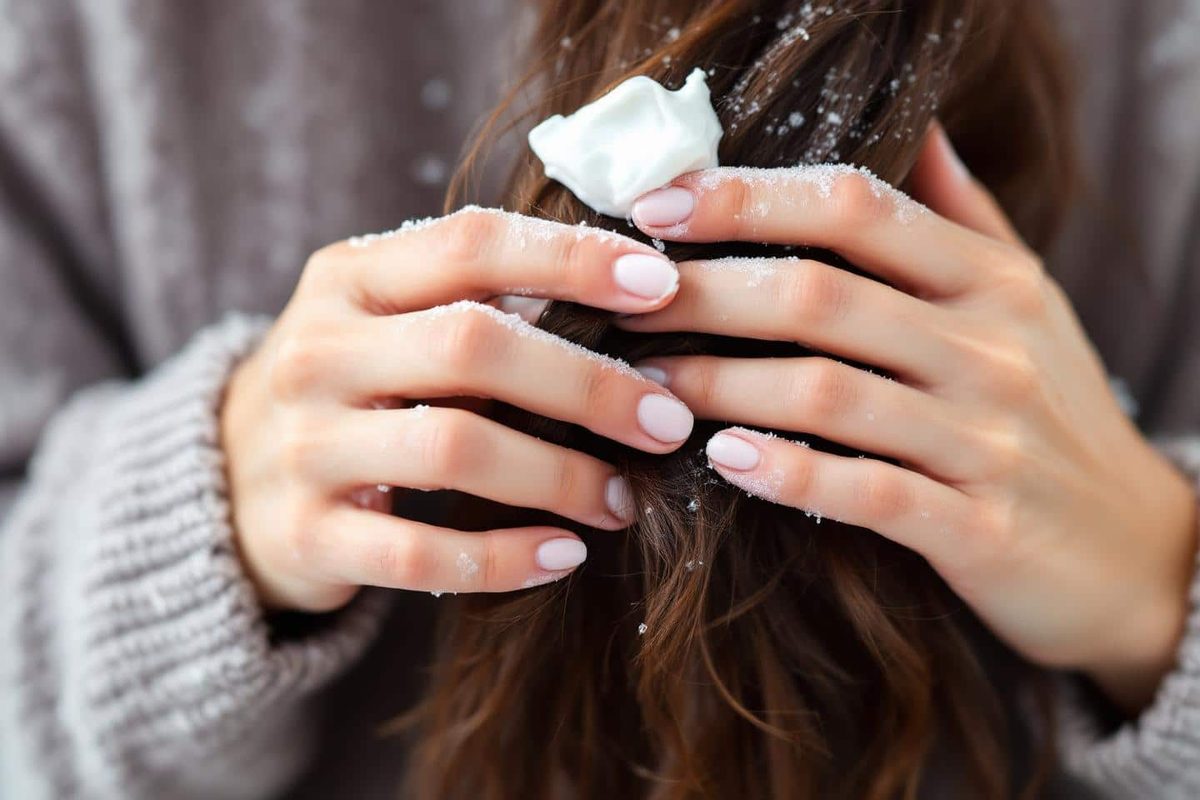
The claim is simple: apply a tiny amount of shaving cream to dry hair. Smooth it over the frizzy bits. Instantly smooth. No grease. No crunch. No white flakes.
Why Does It Work?
It sounds absurd. So why does it work?
Look at the ingredients. Traditional shaving creams are not just soap and water. They are formulated with humectants and emollients. These are the same ingredients found in high-end hair serums. They are designed to soften hair and skin.
When you apply a thin layer of shaving cream to dry hair, something interesting happens. It doesn’t foam up. Unlike when it’s on a wet face, the chemical reaction changes. It spreads evenly. It forms a lightweight protective film. This film seals the cuticle. It blocks humidity from entering the shaft. It keeps the hair flexible but controlled.
“The key is the texture. It’s not too heavy. It’s not too dry. It sits on the hair without weighing it down.”
Critics worry about residue. They imagine sticky, messy hair. But those who use it say the opposite. A little goes a long way. You rub it into your palms first. Then glide it over the problematic zones. The result is shine. Softness. Without the “wet look” of a heavy oil.
Is It Right for You?
The buzz is real. The curiosity is high. But does it fit your hair type?
For those with fine hair, the risk is weight. Too much product can flatten your volume. For those with thick, curly hair, the hydration benefits might outweigh the downsides. The emollients can help define curls without the crunch of gel.
It is definitely worth a test. Not on your whole head. Just on a few rebellious strands near the crown or nape. See how it reacts. Does it feel sticky? Does it absorb? Does the frizz vanish?
It’s a cheap experiment. No new purchase needed if you already have a can in the shower. But don’t expect miracles if your hair is severely damaged. No single product fixes breakage.
Still, in a season where our hair seems determined to defy us, sometimes the solution is the one sitting right next to the toothpaste. Weird? Maybe. Effective? For some, apparently.
The debate continues. The trends shift. But the quest for calm, controlled hair in the dead of winter remains. And if a can of shaving cream brings peace to your morning routine, who are we to judge?
The shaving cream hack: why it works for frizz and what stylists actually think
Skip the salon appointment. Just make sure you pick the right tube and don’t overdo it. Here is how to tame those unruly strands without wrecking your hair health.
Picking the right shave cream and checking your scalp first
Start with a formula that doesn’t insult your skin. Avoid heavy perfumes or harsh irritants. Look for natural bases. Skip silicones and parabens if you can. You don’t need a high-end luxury brand for this. Drugstore options work fine. Check the men’s aisle or the sensitive skin section. Both are viable.
If you have a reactive scalp or known allergies, patch test first. Apply a tiny amount behind the ear or on the nape. Better safe than sorry. You don’t want a red halo on your bangs.
The step-by-step guide to instant smoothness
- Take a hazelnut-sized amount. That’s about one gram. Seriously, not more.
- Rub it between your palms to warm it up. This makes it fluid.
- Glide hands over the problem areas. Focus on the crown, temples, or split ends.
- Smooth with fingertips. Don’t pile it on.
- Let it air dry. Do not rinse. The effect is immediate.
Your hair becomes shiny and controlled. No cardboard texture. No greasy feel. And no, the scent doesn’t linger. Unless you dump the whole tube on your head. Then you have bigger problems.
What the pros say about this viral hack
The internet loves this trick. Salons are less enthusiastic. Stylists watch with a mix of amusement and skepticism. Is it a clever hack or a bad idea?
Why professionals warn against daily use
Experts say results depend on hair type and frequency. Use it occasionally for a bad hair day or a night out. It works as a quick fix. Use it daily and you risk saturating the hair. You might suffocate the scalp over time.
It doesn’t work for everyone. Fine hair might get weighed down too lightly. Thick, curly hair often needs extra hydration or a specific styling technique to match the result.
When DIY hacks actually make sense
Some stylists approve as an emergency tool. Cosmetic repurposing is part of the craft. It isn’t weird if you respect the hair. Keep it occasional. Know your hair type. Focus on long-term hydration to strengthen the fiber from within.
Real stories: the viral rise and fall of the shave cream trick
Social media is full of tutorials. And failures. The lore is part of the appeal.
Why people swear by this method
Students. New moms. Anyone in a rush. They love the speed and simplicity. It saves you before a last-minute dinner or Zoom call. Some keep a tube in their purse or gym bag.
It’s cheap. Zero extra gear. You look polished without running to the salon when it rains. But making it a daily habit? Unlikely.
The fails: when the hack backfires
The internet also has its disasters. Too much product makes hair sticky. Strong scents draw unwanted attention. Poor application leaves white clumps in the fringe. The key is moderation. Avoid the wet-snow effect.
Not everyone buys in. Many prefer their regular products. Or they just embrace the frizz. Winter hair comes with its own chaos. You can laugh it off. Or you can try the shave cream. Either way, just keep it light.
Why anti-frizz shaving cream might actually work for your hair routine
It sounds ridiculous. You look at the tube, then at your frizzy crown, and wonder if you’ve lost it. But the sudden surge in popularity of using anti-frizz shaving cream for hair isn’t just a weird TikTok trend. It’s a signal. A signal that we are tired of the rigid, expensive rules of hair care. We want results. We want convenience. And sometimes, we want to laugh while we get them.
The French love a good hack. They love débrouillardise —making do with what you have. This trend is pure débrouillardise. It’s taking a product meant for smooth skin and repurposing it for chaotic hair. It’s creative. It’s practical. It says, “I don’t need a $40 leave-in conditioner to fix this mess.”
The humor behind the hack
There is an element of fun here that we often ignore in beauty advice. We take our frizz too seriously. We treat every flyaway like a personal failure. Trying shaving cream on your hair is an act of self-deprecation. It’s a way of saying, “This is my life right now. Let’s be silly about it.”
Using a product in an unintended way breaks the spell of perfection.
It’s not just about the result. It’s about the attitude. When you smear shaving cream on your head, you’re stepping away from the sterile, serious world of “correct” beauty. You’re embracing the absurd. And strangely, that lightness might be exactly what your hair needs to relax and settle down.
Better alternatives for tame curls and flyaways
If shaving cream feels too far outside the box, other methods exist for taming winter hair. The goal isn’t to use shaving cream. The goal is to find what works for your hair type.
- Aloe vera mixes: Blend fresh gel into a light spray. It hydrates without weighing hair down.
- Floral water sprays: Rosewater or chamomile water adds a hint of moisture and scent.
- Gentle drying techniques: Pat hair dry with a microfiber towel. Rubbing creates friction. Friction creates frizz.
- Protective styles: Buns or braids keep ends tucked away during dry winter months.
Each hair type has its own demands. Curly hair needs weight. Fine hair needs lift. The key is listening to what your hair says, not what the internet shouts.
Embrace the experiment
December is here. Parties. Photos. Rain. Humidity. Your hair is going to react. Instead of panicking, try something different. Use the shaving cream if you want. Or try aloe. Or just leave it alone.
The point is choice. You are not forced into a single path.
Any solution works if it keeps you smiling.
So go ahead. Be bold. Be practical. Or be funny. Your hair doesn’t judge.