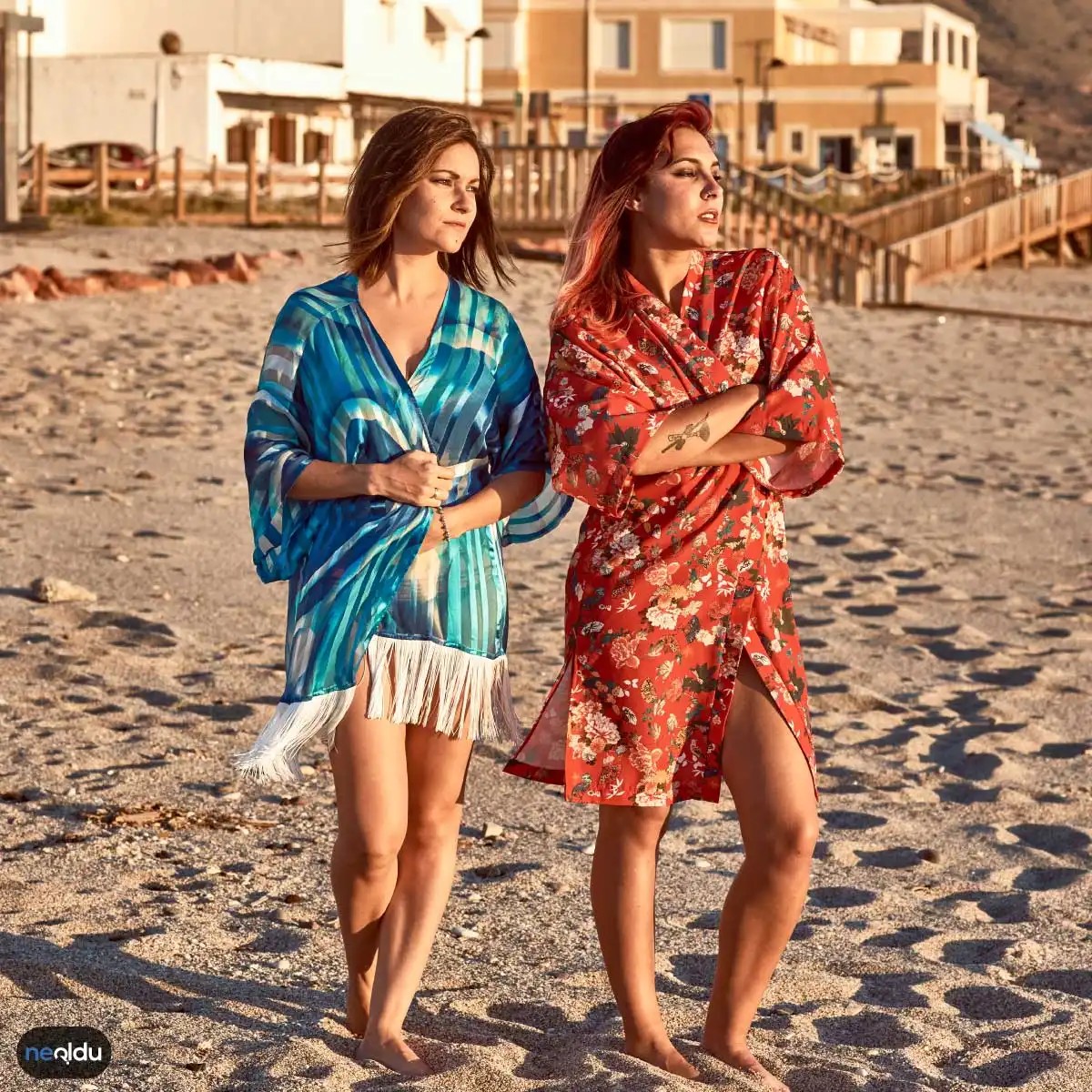
Kimono is not just a piece of clothing. A symbol that beats at the heart of Japanese culture. It carries the spirit of traditional Japan. Every stitch, every fold is a part of the past. But stop here. Kimono is not a uniform thing. There are many different styles throughout the country. Each style reflects the history and culture of its region.
What is a Kimono?
Actually, the word means “thing to wear”. But that’s the gist of it. It forms the basis of Japanese clothing. It has a simple V-neck structure. A design in which the front parts are closed diagonally. It is tightened at the waist with a wide belt. This belt is called “obi”. It restricts movement but keeps posture upright.
So why is there so much diversity? Geography plays a big role.
- Winter Kimono: Thick fabrics are used in cold regions.
- Summer Kimono: Light, breathable fabrics are preferred in humid areas.
- Daily Styles: Simple models that can be worn every day.
- Ceremonial Styles: Craftsmanship-intensive pieces specially designed for weddings and celebrations.
The climate of each region is different. This directly affects fabric selection. Thick wool blend fabrics were common in mountainous regions. In coastal towns, silk and cotton blends are more common.
Why Are There Regional Differences?
Japan is a long island country. Each region has its own handicrafts. These handicrafts are reflected in the patterns of the kimono.
- Kyoto: The center of traditional weaving. It is at the top in silk production.
- Okinawa: Tropical climate. Colourful, vibrant patterns.
- Hokkaido: Cold. Thick, closed fabrics.
These differences are not just aesthetic. It also reflects the identity of a region. When you wear a kimono, you also wear the history of that region.
“Kimono is one of the deepest symbols of Japanese culture. Every detail reflects the spirit of that region.”
The Difficulty of Wearing a Kimono
Yes, it is difficult. It takes time to learn. Tying a sash is a separate art. At first everything goes wrong. But with practice it becomes fluent.
What does kimono mean for modern women? Is it just a historical outfit? No. A title. A form of expression. A space where everyone can find their own style
The word kimono is actually a simple translation. “Ki” refers to the garment and “mono” refers to the object. So literally “thing to wear”. But in Japanese culture, this simple definition promises much more for those who want to pursue thousands of years of history and fine details. This outfit, which is still worn today on special occasions or traditional ceremonies, is not just a dress. A culture carrier.
The Secret Language of Patterns
A traditional kimono looks like a long, stitched robe of thin fabric. Natural fibers such as silk or cotton are used. But what really draws attention is the patterns on it rather than the fabric itself. Each motif carries a meaning. Stick to the “Kikyo” pattern. This means flowering plant in Japanese, but is often identified with the violet flower. Symbols of loyalty.
Colors are not chosen for nothing. Women’s kimonos have wider sleeves and longer skirts. Men’s, on the other hand, remain plainer, simpler and generally in darker tones. The thick belt called “obi” tied around the waist is the basic component for both genders.
Modernization and Daily Life
So why is it still worn? The answer is simple: Yes, traditional styles are preserved. But Japanese youth are also different.
Kimono designs have been modernized in recent years. It’s shorter. It’s lighter. And perhaps most importantly, it’s more vibrant. These versions, freed from traditional weight and chosen as daily wear, are the style preferred especially by the young Japanese generation. Colorful patterns, less formal cuts. This change prevented the outfit from being found only in the museum or at a special ceremony. It has seeped into daily life.
Why Is It So Important?
The cultural significance of kimono fashion is not just about aesthetics. This clothing can be a means of reflecting the individual’s position in society, his age and even his current mood. Colors can be changed with the season. Patterns can be chosen according to life stages.
Modern interpretations are the meeting point of this deep-rooted tradition and the new generation. Abandoning traditional weight and choosing lightness and colorfulness is not a rebellion. An evolution.
Wearing a kimono no longer just means “being Japanese”. To redefine your own style while respecting your past. Every stitch is a story. Each pattern is a message.
It used to be a shield. Back in the 19th century, as Japan rushed toward modernization and westernization, the kimono wasn’t just clothing. It was a statement. A refusal to let go of tradition while the rest of the world was busy changing.
Now? It’s different.
You see it on runways in Paris. You see it in street style in New York. It has crossed borders. It has crossed time.
But calling it “just a trend” misses the point. The kimono is woven into the social fabric of Japan. It’s not something you wear because it’s pretty. You wear it because it means something.
Where Tradition Meets Modern Style
Think about a wedding. In Japan, the bride doesn’t just put on a white gown. She wears a shiromuku. A pure white kimono. The color isn’t a mistake. It represents purity. It represents a fresh start. It’s a ritual. You don’t just “slip into” a kimono for a party. You step into it with intention.
That intention travels.
Designers around the world look at this structure—the wide sleeves, the obi belt, the way the fabric drapes—and they don’t just copy it. They reinterpret it. They take the silhouette and strip away the rigidity. They make it wearable for a Tuesday meeting. Or a summer festival.
“The kimono is no longer a museum piece. It’s a living language of style.”
This isn’t cultural appropriation when it’s done with respect. It’s cross-cultural dialogue. Japanese designers are collaborating with global brands. Non-Japanese designers are studying the construction. It’s mutual. It’s messy. It’s real.
Why It Fits Sustainable Fashion
Here’s the part people often forget. The kimono is built to last.
We live in an era of fast fashion. Clothes that fall apart after three washes. Clothes that stain easily. Clothes that go out of style in six months.
The traditional kimono is the opposite.
- High-quality fabrics. Silk. Cotton. Linen. Materials that breathe.
- Complex construction. Hand-sewn seams. Precise folding. It’s not mass-produced in a week.
- Versatility. A single kimono can be re-worn, re-styled, and passed down.
It’s slow fashion before the term even existed.
When you buy a modern kimono-inspired piece, you’re often getting that same ethos. The focus is on durability. On texture. On the way the material feels against your skin. Not on the logo. Not on the season.
How to Wear It Without Looking Like You’re at a Theme Park
This is the real question. How do you integrate this into your wardrobe without looking like you’re dressed for a historical reenactment?
Start simple.
Don’t try to tie the obi yourself. It takes hours. It takes practice. You’ll end up frustrated. And that’s not the vibe.
Instead, look for:
- Kimono jackets. Lighter. Open front. Easy to throw over a tank top.
- Wrap styles. Dresses that mimic the folding of the kimono but use zippers or elastic.
- Prints. Use kimono
Why Modern Kimonos Are Taking Over Your Wardrobe
It started as a niche fascination, then exploded. The kimono, once strictly a traditional Japanese garment, has infiltrated every major fashion runway. It isn’t just about heritage anymore. It is about versatility. Designers stripped away the rigid protocols and kept the drama. The result? A silhouette that feels both exotic and effortlessly wearable.
The Fabric Shift: From Silk to Stretch
Think of the heavy, structured silk kimonos your grandmother might have owned. That is the baseline. But modern iterations? They are lighter. They breathe better. You will find polyester, viscose, and linen mixing with natural fibers. This isn’t a compromise; It is an upgrade for daily wear. The fabric drapes differently now. It moves with you, not against you.
Cuts That Actually Work in Real Life
Traditional kimonos are long-sleeved and floor-length. They demand a certain posture. Modern versions? They are shorter. Mini-skirt lengths. Short sleeves. Straight cuts. This shift wasn’t accidental. It targeted a younger demographic who want the aesthetic without the logistical headache. You can walk up stairs in them. You can sit in a car. You can actually live in them.
Mixing It Up: The New Rules of Dressing
Here is the part people get wrong. They treat the modern kimono like a costume piece. Don’t.
Wear it like a jacket. Or a dress. Or a statement cardigan.
The beauty of the modern cut is its simplicity. It doesn’t require layers of undergarments. You don’t need an obi belt if you don’t want one. Try throwing it over a basic white tee and high-waisted jeans. Boom. Instant outfit. It adds texture and color without trying too hard.
How to Style a Kimono for Everyday Wear
You don’t need a special occasion to wear a kimono. In fact, saving it for “special events” misses the point. Here is how you integrate it into a standard Tuesday.
1. The Casual Layer
Pair a floral or geometric print kimono with dark denim. Keep the rest minimal. Black sneakers or ankle boots. The kimono does all the talking. The background noise should be quiet.
2. The Mini Dress Hack
If the cut allows, wear the kimono as a dress. Add a thin belt at the waist to define your shape. Tuck in a simple tank top underneath if it feels too open. This is for warm days. It is breezy. It is cool. It looks expensive because of the fabric, not the price tag.
3. Beach Cover-Up
This is probably the most practical use. A linen or viscose kimono over a bikini looks chic. It provides sun protection. It looks intentional, not like you just grabbed a towel because you were cold.
Which Patterns Work Best?
Not all prints are created equal. If you are new to this trend:
- Florals: Safe, feminine, and timeless.
- Geometric: Bold, modern, and great for structured fabrics.
- Stripes: Can be tricky. Vertical stripes elongate. Horizontal stripes add width. Know your body type.
- Solid Colors: Often overlooked, but a solid pastel or deep jewel tone kimono is incredibly versatile
How to Style a Kimono for Everyday Wear
It used to be strictly traditional Japanese attire. Now? It’s a versatile layering piece you can throw on with almost anything. The modern kimono has shed its ceremonial skin to become a staple in contemporary wardrobes. If you’re wondering how to style a kimono without looking like you’re about to perform a tea ceremony, the answer lies in simplicity and contrast.
The Basic Tee and Skinny Jean Combo
Start simple. A plain white t-shirt grounds the outfit. The kimono becomes the statement here, not the foundation. Pair it with skinny jeans and sneakers. The result is an effortless, sporty-chic look that works for coffee runs or casual Fridays. The heavy cotton of the tee balances the lightness of the kimono fabric.
Denim and Sandals
Jeans aren’t just for tees. Throw on a pair of straight-leg or boyfriend jeans. The denim adds structure. For footwear, choose between clean sneakers or strappy sandals depending on the weather. The key is keeping the bottom half casual to let the outer layer shine.
Midi Skirts and Heels
Want something dressier? Swap the jeans for a midi skirt. This is where you can play with proportions. A flowy skirt paired with a structured kimono creates a nice silhouette. Add high heels. Suddenly, you’re at a dinner date or a gallery opening. It’s a chic evening combo that doesn’t require a full outfit change.
Layering Over Dresses
This is my favorite trick for spring and summer. Slip a kimono over a light, pastel-colored dress. It adds dimension without adding bulk. The fabric drapes nicely, and you get a romantic, layered look. It’s practical too. If the AC is too cold at work or it gets chilly at night, you have a ready-made cover-up that looks intentional, not accidental.
The Shoulder Drape
Sometimes, wearing it like a coat feels too heavy. Try to carry the shoulder. Draping it over one shoulder turns the garment into an accessory. Pick a color that complements your outfit rather than matching it exactly. This subtle touch elevates a basic look from “I just threw this on” to “I styled this.”
Understanding the Origins and Modern Context
What exactly are we talking about when we say kimono fashion trends? Historically, this was the everyday garment for Japanese women. long sleeves Wide cuts. High-quality silk or cotton. It was a symbol of status and season.
But fashion moves fast. The trend didn’t start in Tokyo’s Harajuku district by accident. It traces back to the 19th century when Japan opened up to the West. The kimono became a symbol of cultural identity against Westernization. Today, it’s global. You don’t need to fly to Japan to find it.
Where to Buy and When to Wear
You can find authentic pieces in Japanese department stores. But for most of us, online retailers are the easiest route. Many modern designers have also reinterpreted the shape into jackets, wraps, and robes. These are easier to source and often more affordable.
As for timing, it’s not just for weddings or festivals. While historically reserved for special occasions, the modern interpretation is for daily wear. Spring and summer are peak seasons due to lighter fabrics, but silk versions work year-round.
Quick Styling Rules
If you’re still unsure, stick to these basics:
– Keep the inner layer plain. Let the kimono be the pattern.
– Match your accessories. If your kimono is red, pick up red in your shoes or bag.
– Don’t overthink the fit. The beauty is in the drape.
It’s not about following strict rules. It’s about finding a balance between structure and flow. Try it once. See how it feels. The line between traditional and trendy is blurrier than you think.