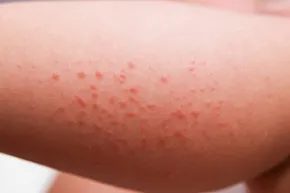
We all know that drill. Sunscreen is non-negotiable. Excessive exposure to UV rays can cause burns, premature aging and skin cancer. But for some people, the sun does something completely different. It causes a painful and itchy allergic reaction called sun rash.
It’s not just about getting a tan. This is an immune system response.
The most common cause is polymorphous light eruption (PMLE). Even a small exposure to sunlight can cause a rash. There are other variations. Hereditary PMLE is more common in people of Native American descent. Solar urticaria is rare and usually occurs in younger women.
Then there’s the drug factor. Certain medications can interact with ultraviolet light and cause photoallergic reactions. If you take oral contraceptives, antibiotics, or antidepressants, your skin may react to the chemical reaction between the pills and the photons.
Symptoms? small bumps. Redness. itch. In some cases, burning, blistering and swelling may occur. The rash is usually hidden on the neck and chest, but it can also spread to the arms and thighs. Systemic symptoms such as chills, headache and nausea may also occur.
PMLE affects 10-15% of the population. Your race or ethnicity doesn’t matter. The timing is usually predictable. Occurs in spring or early summer. Your skin has not been exposed to significant UV rays for months. It panics.
Why does the skin react to UV rays
The root cause is photosensitivity. We don’t know why some people have more sensitive skin than others. We know that UV rays are triggers.
Sunlight isn’t the only thing. It is a mixture of UVA, UVB and UVC rays. UVC does not reach the earth’s surface, so it does not affect it. UVA rays are often suspected in PMLE. Some people are sensitive to UVB radiation. Some people respond to both.
Solarium? They emit ultraviolet light. So if you have PMLE, “safe” indoor tanning is just as likely to cause rashes as beach tanning.
Location is important. If you live in a northern climate, your first exposure to the spring sun can be dangerous. Your skin is innocent. It hasn’t hardened. Going on winter vacation to a sunny destination can cause a flare-up for the same reason.
Here’s the silver lining. It’s about creating tolerance. The sensitivity usually decreases with each exposure. By late summer, many PMLE patients can enjoy sunbathing without developing a rash.
The risk factors are piling up. If you are female, you are more likely to get PMLE. If you are under 30 years old. If your skin is white. If you live in the north. If your family has such a history.
This is not the case with hereditary PMLE. It is hereditary. This is most common in Native American families in the Western Hemisphere. Standard PMLE lasts two to three days and affects both men and women, while hereditary PMLE can last all summer. Women suffer twice as much as men.
Treats itching and inflammation
The rash usually appears 1-2 hours after exposure to sunlight. It may disappear in 2-3 days. In some cases, it can take a week. The good news: Scars are unlikely to remain.
You can manage it at home.
Apply a cold compress. It soothes the heat. Use hydrocortisone cream to calm the inflammation. Take antihistamines to prevent allergic reactions. Anti-inflammatory medications such as aspirin and ibuprofen can help reduce redness and swelling.
If a blister forms, cover it with gauze. Don’t pop. Your skin needs this barrier to heal.
When should I call the doctor? If the rash has spread beyond the neck, chest, arms or thighs. When blisters form, they can be very painful. If you have a high fever. If you are taking medications that can cause a photoallergic reaction.
Your doctor may prescribe stronger antihistamines. We can recommend a technique called “hardening”. This requires gradual exposure to the sun on your skin. Exposing sensitive skin to more sunlight may seem counterintuitive, but adjusting the dose can increase tolerance.
When you use light therapy, you are exposed to artificial ultraviolet light for a period of time. This is a medical procedure. You don’t DIY this.
Sun rash and heat rash: how to tell the difference
You were there for hours. You’re sweating. It’s hot, isn’t it? I have a rash now.
Is it a sunburn rash? Or heat rash?
Heat rash happens when sweat collects under the skin. Clogged sweat glands can cause blockages. This is not an allergy. This is a plumbing issue in your pores.
Sun rash is an immune response to ultraviolet radiation. Heat rash is a reaction to sweating.
Location is the biggest clue. Heat rash loves folds. It’s on the inside of the knee. your elbow. A place where skin rubs against skin. Redness rashes favor bare areas such as the neck, chest and arms.
Heat rash primarily affects newborns. People who live in tropical climates. A person who has just finished a strenuous workout in the heat.
If you’re sweating in the tropics, it’s probably heat rash. If you suddenly feel a tightness in your chest during a northern spring hike, you may have PMLE.
Understanding the differences can change the way you treat yourself. Cooling helps with both. However, in the case of PMLE, the allergy must be managed. If you have heat rash, you need to control your sweating.
The sun gives us many things. But it takes, too. Understand how your body reacts. Take care of UV rays. Treat your rash before it becomes a memory you want to forget.
How to prevent sunburn rash
If your skin starts to look bad in the sun, the obvious answer is to avoid it. Stay inside. But life isn’t like that. Sometimes you have to go out.
If you’ve dealt with polymorphic light eruptions (PMLE) before, you know what to do. Talk to your doctor about phototherapy. This process is called “hardening”. Expose your skin to controlled light. It builds tolerance. As we move from spring to early summer, it’s a good idea to gradually increase the amount of time you spend in the sun. Don’t rush it.
Avoid midday sun. UV rays are at their peak between 10 am and 4 pm. That’s when they do the most damage. If you must go out, take cover. Wear light clothing. The fabric protects your skin.
Which sunscreen is suitable for UV sensitivity?
SPF must be at least 15. Reapply every 2 hours. Reapply after swimming. Reapply after sweating profusely.
Look for Broad Spectrum on the label. This means it blocks UVA and UVB rays. The ingredients are important. Look for oxybenzone, avobenzone, zinc oxide, or titanium dioxide. These ingredients protect against the rays before they reach the skin.
Cloudy days are not a safe zone. Ultraviolet light penetrates clouds. No matter what the sky looks like, always wear sunscreen.
Don’t forget your eyes and lips. Damage caused by UV rays is not limited to wrinkles and burns. It’s about health. Wear sunglasses. Use a lip balm with SPF. It also protects the delicate skin around the eyes.
These tips will help you enjoy sunbathing without getting a rash. You can still soak up the warmth. Just be smarter about it.
If you want to learn more about sun safety, check out our resources on how sunburn happens, what SPF ratings really mean, and the best sunscreens for sensitive skin. The science behind sunless tanning and sunscreen pills is also worth reading. Your skin will thank you later.