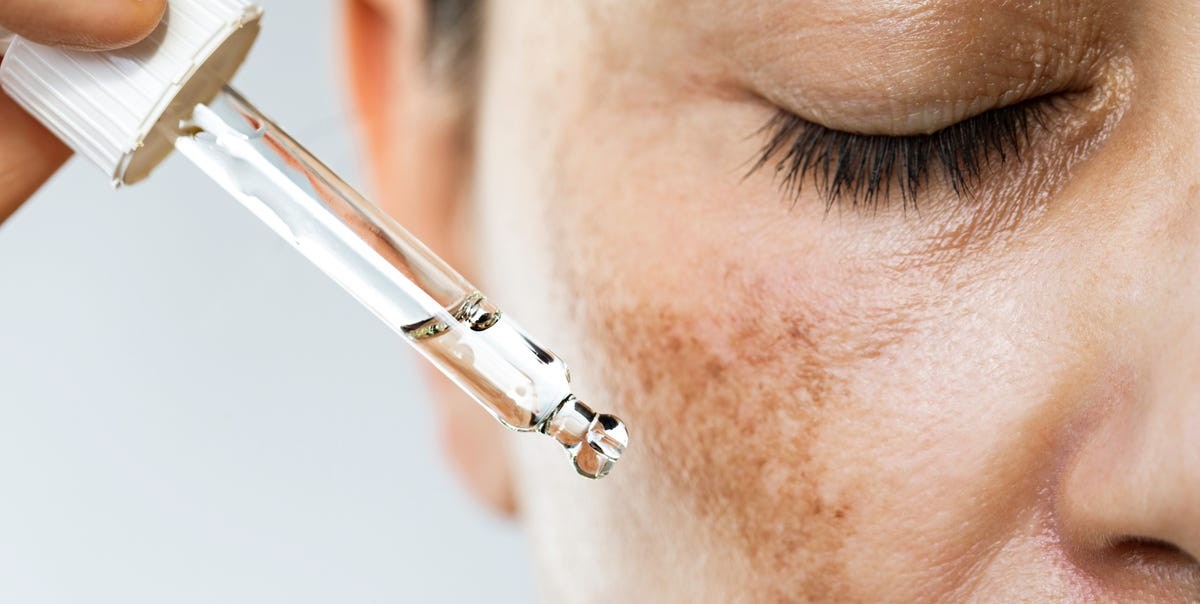
Melasma isn’t just bad luck. It’s not strictly about age, though it loves to show up when hormones are flipping their switches.
It is a stubborn, symmetrical rash of brown or gray spots that prefers your cheeks, forehead, and upper lip. Doctors call it the “mask of pregnancy,” which sounds romantic until you’re looking in the mirror. About a third of everyone gets it. Half of pregnant women do. It is common. It is annoying. And frankly, it is a nightmare to fix if you go about it the wrong way.
Why does this happen?
“Most patients are very motivated to just get something.”
— Efe Kakpovvia, MD, NYU Dermatologist
The skin is making too much melanin. That is the short version. The long version involves genetics, sun damage, estrogen spikes, and heat. If you have eczema or acne that inflamed the skin? That flares it up too.
Here is the thing no one likes to say out loud at the start: There is no cure. Not really. Treatments manage it. They suppress it. They fade it. But the pigment can come back. The severity fluctuates. Some weeks your skin is fine. The next week? The spots darken again. It’s frustrating. It makes you want to buy every jar on the Sephora shelf.
Don’t.
First, you need a diagnosis. A lot of people self-treat dark spots thinking they know what they are looking at. You don’t. Go to a dermatologist. They will likely shine a Woods Lamp on your face. It emits ultraviolet light. It shows them how deep the pigment is sitting in your skin layers.
Superficial pigment? Easier to treat.
Deep pigment? Tougher. The doctor will tell you this so you stop expecting miracles in week two.
Prescription Powerhouses
If you want the gold standard? You want Hydroquinone.
Dr. Kakpovia is clear. She recommends this for almost everyone who comes to her with melasma. It inhibits tyrosinase, the enzyme that makes melanin. It’s been around for decades. It works.
But it has a temper.
It causes redness. Irritation. And if you aren’t careful, it creates a “halo effect”—a bright, unnatural ring of light skin surrounding a dark spot that looks worse than the original problem. This is why you need supervision. You cannot just slather it on willy-nilly. You apply it strictly on the spot. You stop after three or four months. You take a break. You restart if needed.
Leave it on too long? You risk ochronosis. That is a permanent, blue-black discoloration. Nobody wants that.
For severe cases, doctors mix things up. Hydroquinone combined with fluocinolone (a steroid) and tretinoin (retinoid). Usually one cream, one time a night, for three months.
What if prescriptions scare you or are hard to get? (Let’s be real, dermatologist shortages in the US are a real issue right now.)
Tranexamic Acid. Taken orally.
Studies say it might actually work better than the topical creams for some people. It stops bleeding mechanisms that inadvertently fuel inflammation. But listen. It is a blood thinner in a sense. It carries a risk of clots. Side effects include bloating and nausea. Talk to a doctor first. Please.
What You Can Buy Today
You do not need a prescription to fight this. In fact, some of the most important tools are OTC.
1. Sunscreen. Non-negotiable.
“If they’re not wearing sunscreen… we’re wasting our time.”
— Efe Kakpovia, MD
If you skip this step, stop reading and go buy sunscreen. Return when you have it.
Not just any SPF. Dr. Dowling and Dr. Kavpovia agree: Tinted mineral sunscreens. Look for zinc oxide and titanium dioxide. Those block UV rays. But melasma is triggered by visible light too. The iron oxide in tinted sunscreen blocks that visible blue-light spectrum. SPF 30 is the floor, not the ceiling. Wear it. Even on cloudy days. Even when you are sitting near a window.
2. Retinol.
It increases cell turnover. Old dark cells fall off. New cells appear. It also blocks that tyrosinase enzyme somewhat. It is anti-inflammatory.
Caution : Retinol makes skin sensitive. Pair it with your morning SPF. No arguments.
3. Dark Spot Serums.
The market is flooded. Focus on the ingredients that do the work, not the marketing fluff.
- Azelaic Acid : Gentle exfoliator. Lightens spots.
- Vitamin C : Antioxidant. Prevents new damage.
- Kojic Acid : Stops melanin production.
- Glycolic Acid : Sheds dead skin.
- Melasyl : A proprietary ingredient used by brands like La Roche-Posay. Targets tyrosinase.
Build a routine. Layer these in. Be boring with it. Consistency beats intensity every time.
The Doctor’s Office (With Caution)
Lasers? Peels?
Think twice.
In-office treatments are risky for melasma. Why? Heat causes inflammation. Inflammation causes more melanin. You go in for treatment to remove brown spots, and come out with darker brown spots because the laser burned the tissue. It happens. Doctors see it. It feels awful to witness.
If topicals fail, and the pigment is deep, maybe lasers are worth it.
Dr. Kavpovia only suggests Q-switched or Pico lasers. Why Pico? Faster pulses. Less heat. Lower chance of damaging nearby tissue or causing rebound darkness.
Chemical peels? Maybe. Alpha hydroxy acids (glycolic, lactic, mandelic) lift the top layer of skin. Fresh, even-toned skin peeks through underneath.
But again: Have this done by a board-certified derm or licensed pro. If the peel is too strong, you scar.
So What Now?
You have choices. But they are not easy choices. They require patience. They require sun avoidance.
There is no magic pill. There is no overnight fix. There is only the daily grind of zinc oxide, prescription creams, and waiting.
Some days your skin will cooperate. Others, it won’t.
And if you go to Sephora? Look at the label first. Is it blocking visible light? Is it consistent with the plan? Or are you just buying hope?
The mask of pregnancy is persistent. Treat it like a chronic condition. Not a fashion accessory.
Don’t forget your SPF.