Weight loss isn’t a quiet battle. It’s loud.
You eat well for three days. Then hunger screams. You eat late at night, portions swell, stress hits the table. Progress stalls. Medical intervention exists for this.
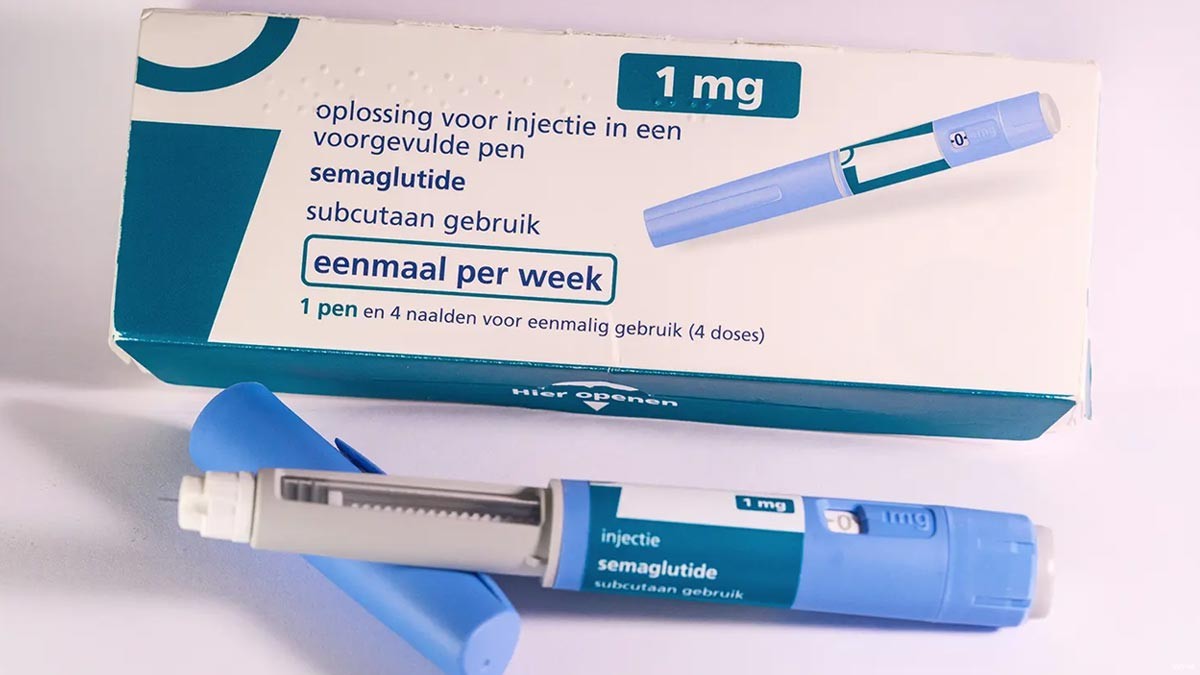
Semaglutide doesn’t melt fat like magic. It rewires the signal between gut and brain. Hunger drops. Fullness rises. But the pill is only half the story. Simple food. Sleep. Movement. Medical guidance. You need the rest, too.
Slowing Things Down
Food sits longer in your stomach. That’s gastric emptying. Slow it down and you stay full.
No 3 p.m. chip crash after lunch.
The delay means you won’t want a second serving so badly. Some get nauseated, bloated, while adjusting. Smaller bites help. It’s physical, not spiritual.
Taming Blood Sugar Swings
Blood sugar spikes trigger cravings. We’ve all felt it. That shaky, hollow feeling after sugar. Then another snack. Then another.
Semaglutide helps the pancreas release insulin when sugar is high. Not always, only when needed. Stable levels mean fewer jagged hunger attacks.
Energy stays flatter, cleaner. Good for insulin resistance or type 2. When the brain isn’t starving for quick fuel, making good choices is less of a fight.
Using Energy Better
Losing fat isn’t just about eating less. Your body must burn what it has.
Semaglutide tweaks lipid metabolism. Fat gets processed more efficiently. As weight drops, insulin sensitivity improves. Sugar moves into cells instead of staying in blood.
Walk for ten minutes after a meal. It matters.
Small metabolic wins compound. Daily habits become easier to hold onto. Not overnight fixes. Real, slow shifts.
Quiet Thoughts
Sometimes you aren’t hungry. You’re stressed. Bored. Sad. Or just automatic.
Think about cookies while already full? That’s food noise. Semaglutide dampens those mental loops for some. The voice gets quieter. You pause. You notice stress before opening the takeout menu. Call a friend. Drink water. Eat the planned food.
But meds don’t fix trauma. Sleep and therapy matter. Emotional weight needs emotional care. Easier to manage today, fewer storms later.
Less Food, Same Nutrition
Fewer calories create loss. Starvation creates guilt.
Portions shrink. Not vanish. Protein. Veggies. Some carbs. The plate feels adequate. Soda, candy, drive-thru runs drop. These hidden calories vanish quickly.
Don’t strip nutrients. Your body needs fiber, water, vitamins. Gradual cuts work better than extreme bans. One left-over bite isn’t failure. It’s math.
Metabolic Health
Weight gain stresses systems. Blood pressure. Cholesterol. Sugar. All climb.
Losing pounds reduces strain on heart, liver, joints. Semaglutide aids the drop. Eating patterns follow. Breakfast oats instead of pastries. Chicken and salad instead of heavy dinner. Small switches reinforce the drug’s work.
Track results. Adjust safely. Meds plus habits beat meds alone. A slower, steadier path. More durable.
Who Should Try It?
Not for vanity. For health.
Adults in the US usually qualify if BMI is 30 or higher. Some with BMI 27 and a weight-related issue (hypertension, high lipids, heart risk) may use it. Teens over 12 with obesity might too, depending on context.
Pregnancy or breastfeeding? Skip it. History of thyroid cancer (MEN2 syndrome) or pancreatitis? Probably not. Severe GI issues also count as contraindications.
Cost? Side effects? Lifestyle fit? Ask your provider.
Real Control
It helps. It won’t do the work for you.
You still need food structure. Light activity. Sleep. Find a provider who understands your context. Build routines that last. The goal isn’t a number on a scale.
It’s peace.
Or at least, quiet.