Polycystic ovarian syndrome, or PCOS, is a hormonal disorder that affects the way your body produces androgens, like testosterone. It’s not just about irregular periods. The symptoms can be invisible or incredibly visible, and they often overlap with other conditions.
If you have PCOS, you might experience hirsutism, which is excess hair on your face or body. You might deal with severe acne that started in your teens and just won’t quit. Ovarian cysts are part of the picture, but they aren’t always present. Insulin resistance is a huge factor here. This means your body doesn’t use insulin effectively, which is a frequent precursor to type II diabetes. You might notice darkening skin on your neck (acanthosis nigricans) or small skin tags in your armpits. Hair loss or balding at the temples is also common.
How PCOS is Diagnosed
There is no single test. A healthcare provider will look at your history and perform a physical exam. They will likely order blood tests to check for hormone imbalances. Ultrasound imaging of the ovaries is also standard.
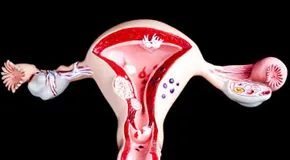
The essential criterion for diagnosis is irregular or absent menstrual periods. Without this, it’s harder to pin down the syndrome. The name itself is misleading. PCOS is an endocrinological disorder. The “cysts” are just small follicles that didn’t release an egg. Sometimes they form. Sometimes they don’t. Your ovaries might have been removed years ago, and you can still have the syndrome. It’s about the hormones, not the organ structure.
Seeing the Right Specialist
Who you see depends on your main complaint.
- Regular healthcare providers or gynecologists can often handle initial treatment.
- Dermatologists might help if acne or hair growth is the primary issue.
- Endocrinologists or reproductive endocrinologists are needed for complex cases or infertility.
Don’t hesitate to ask for a referral if your current doctor isn’t getting results.
Insulin Sensitizers and Medication
If you have insulin resistance or type II diabetes, insulin sensitizers are an accepted treatment. But what if you don’t have diabetes? Doctors are still undecided. Some prescribe them anyway based on small studies. Many women are asking for these drugs. Many doctors are prescribing them. The evidence isn’t fully settled yet.
Medication takes time. If you’ve been taking spironolactone for weeks and see no change, don’t panic. It can take up to six months to see effects. Insulin sensitizers take two to three months to reach full effect. Stick with it. If weight is an issue, adding a reduction program can help.
Fertility and Ovulation
Infertility is a common concern with PCOS. The first line of treatment is usually an ovulation-stimulating drug like clomiphene citrate (Clomid). Side effects can include hot flashes, ovarian swelling, and a higher chance of twins.
If Clomid doesn’t work, the next step might be injectable gonadotropins or an insulin-sensitizing drug in combination. It’s a ladder. You move up as needed.
Birth Control is Not Mandatory
You don’t have to take birth control pills, even though they are frequently prescribed to regulate cycles. You can take regular courses of progestogens instead—at least four times a year. Why? Because menstruation sloughs off the endometrial lining. This helps prevent uterine cancer. If you skip periods, you need to induce one to keep your uterus healthy.
When to Worry About Other Conditions
Some symptoms of PCOS can look like something more serious. An androgen-producing tumor, Cushing’s syndrome, or hypothyroidism are possibilities. A thorough diagnosis is vital, especially if your testosterone levels are above 200 mg/dl.
Watch for signs of “virilization.” This includes a facial beard, an enlarged clitoris, balding at the temples, a deepening voice, or muscle enlargement. If you see these, get tested immediately.
Diabetes Screening
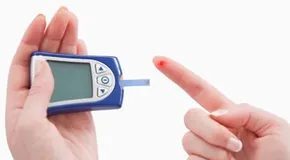
Because of the link between insulin abnormalities and PCOS, every woman diagnosed with the syndrome should have a fasting glucose and insulin test. Check for insulin resistance and diabetes. If you have diabetes, start treatment and monitoring early. Avoiding complications is better than dealing with them later.
You’re managing a complex hormonal landscape. It’s not just about fixing a cycle. It’s about monitoring your whole metabolic health. The path isn’t linear. Some days the acne flares. Other days the energy returns. Keep track of what works for you. The medical guidelines are guidelines. Your body is the final authority.
Understanding the PCOS Diagnosis and Your Care Team
Let’s be clear about what we’re dealing with here. Polycystic Ovarian Syndrome isn’t just “cysts on the ovaries.” That name is a misnomer. It’s an endocrinological disorder. Specifically, it’s a hormonal imbalance characterized by hyperandrogenism—meaning your body is producing too many androgens, like testosterone.
The symptoms can be loud and visible. You might notice hirsutism, which is excess hair growth on the face or body. Acne can flare up severely in your teens or stubbornly persist into adulthood. Your skin might become oily. Hair thinning or balding is also common. Then there’s Acanthosis nigricans, where patches of skin on your neck or armpits darken and thicken. These are skin tags and signs of insulin resistance. Speaking of which, insulin resistance is a huge part of the puzzle. It’s a precursor to type II diabetes and often accompanies PCOS symptoms like irregular periods or obesity.
But here’s the thing: you can have PCOS without ovarian cysts. If your ovaries have been surgically removed, you can still have the syndrome. The “poly-cystic” part is just one possible outcome of the hormonal chaos, not the cause itself.
Navigating Diagnosis and Specialists
So, how do you get a handle on this? A healthcare provider needs to dig deep. They’ll take a thorough history and physical exam. Blood tests are non-negotiable to check for those hormone imbalances. An ultrasound of the ovaries might happen, but it’s not the only piece of the puzzle. The essential criterion? Irregular or absent menstrual periods. If your cycle is erratic, that’s the first red flag.
Who should you see? It depends on the severity. Your primary care doctor, gynecologist, or even a dermatologist (if skin issues are your main complaint) might start the conversation. But if you’re facing infertility or complex hormonal issues, you need an endocrinologist or a reproductive endocrinologist. Don’t settle for generic advice if your case is multifaceted.
Insulin Sensitizers and Fertility Treatments
This is where things get nuanced. If you have insulin resistance or type II diabetes, insulin sensitizers are a standard, accepted treatment. They help your body manage blood sugar better. But what if you don’t have diabetes? The medical community is still debating this. Some doctors prescribe them off-label for PCOS based on small, successful studies. Many women are asking for them. Many doctors are prescribing them. Is it the right move for you? That’s a conversation for your specialist, not a Google search.
If you’re trying to conceive and struggling with infertility, the first line of defense is usually an ovulation-stimulating drug like clomiphene citrate (Clomid). It works, but it comes with trade-offs. You might experience hot flashes. Your ovaries may swell temporarily, going down once your period starts. And yes, there’s an increased chance of twins.
If Clomid doesn’t do the trick, the next step might be injectable gonadotropins. Or, increasingly, doctors are combining insulin-sensitizing drugs with other treatments. It’s a step-by-step process. Patience is required.
Managing Cycles Without Birth Control Pills
You don’t have to take birth control pills for PCOS, even though many doctors prescribe them to reset your cycle. It’s an option, not a mandate. If you prefer to avoid hormonal contraceptives, you can take regular courses of progestogens—at least four times a year. Why does this matter? Because menstruation is essential. It sheds the endometrial lining. If that lining builds up unchecked due to irregular periods, you increase your risk of uterine cancer. You need to bleed. Whether it’s spontaneous, pill-induced, or progestogen-induced, it needs to happen.
When to Worry About Serious Conditions
Most PCOS cases are manageable. But sometimes, the symptoms point to something more serious. If your testosterone levels are sky-high (above 200 mg/dl), or if you’re experiencing “virilization”—a facial beard, an enlarged clitoris, thinning temples, a deepening voice, or sudden muscle growth—you need to rule out other conditions. These could be signs of an androgen-producing tumor, Cushing’s syndrome, or hypothyroidism. A thorough diagnosis isn’t just about managing PCOS; it’s about ensuring nothing else is lurking underneath.
Testing for Diabetes is Non-Negotiable
Given the tight link between insulin abnormalities and PCOS, every woman diagnosed with the condition should be tested for diabetes. This means a fasting glucose and insulin test. It’s not optional. If you have diabetes, early treatment and monitoring are critical to avoiding long-term complications. Don’t wait.
Patience With Medication
You’ve been taking your meds for weeks. You feel nothing. It’s frustrating. Stick with it. Spironolactone, for example, can take up to six months to show real effects. Insulin sensitizers need two to three months to hit their full stride. Medication isn’t a light switch. It’s a slow burn. If weight is a factor, consider adding a structured weight-reduction program. But don’t give up because you haven’t seen results in a fortnight.
The Bottom Line
PCOS is complex. It’s not just about your ovaries. It’s about your hormones, your insulin, your metabolic health, and your fertility. The symptoms can be overwhelming. The treatments are varied. There’s no one-size-fits-all solution. But knowing what to look for, who to see, and what questions to ask puts you in the driver’s seat. The path isn’t always straight, but it’s navigable.
“Menstruation is essential, because it sloughs off the endometrial lining, helping to prevent uterine cancer.”
Keep track of your cycles. Monitor your symptoms. Ask for the blood tests. Don’t let anyone tell you it’s “just stress” or “just part of being a woman.” It’s a medical condition. Treat it like one.
Understanding the PCOS Diagnosis and Symptoms
Polycystic ovarian syndrome is often misunderstood because of its name. It isn’t just about cysts. It is a hormonal disorder rooted in hyperandrogenism, which means your body produces too many androgens like testosterone. This imbalance creates a cascade of visible and internal symptoms.
You might notice hirsutism, which is excess hair on your face or body. Your skin might break out with severe acne that sticks around into adulthood, or you could deal with oily skin. Hair loss or balding at the temples is another common sign. Look for Acanthosis nigricans, a darkening of the skin usually on the neck, or small skin tags in the armpits. These are markers of insulin resistance.
Your cycle changes too. Periods become irregular or stop altogether. Infertility is a real possibility, though not guaranteed. Insulin resistance is frequent, acting as a precursor to type II diabetes. And yes, you may have ovarian cysts, but their presence isn’t required for the diagnosis.
Navigating the Diagnostic Process
How do doctors figure this out? It starts with a thorough history and physical exam. They will run blood tests to check for hormone imbalances specific to PCOS. Ultrasound imaging of the ovaries is also common.
But here is the essential criterion: irregular or absent menstrual periods. Without that, the diagnosis becomes much harder to pin down.
Who should you see? It depends on your symptoms. Your regular doctor, gynecologist, or dermatologist might handle the basics. If things get complex, or if you are struggling with infertility, you will need an endocrinologist or a reproductive endocrinologist. They have the specialized expertise to navigate the hormonal maze.
Treatment Options and Medications
Should you try an insulin sensitizer? If you have insulin resistance or type II diabetes, absolutely. It is an accepted approach. But if you don’t have those conditions, doctors are still debating the use of these drugs for PCOS alone. Studies are ongoing. In the meantime, many women are asking for them, and many doctors are prescribing them based on small but successful studies.
What if you want to conceive but can’t? The first line of defense is usually an ovulation-stimulating drug like clomiphene citrate (Clomid). Be aware of the side effects. You might get hot flashes. Your ovaries may swell, but that goes down once your period starts. There is also an increased chance of having twins.
If Clomid doesn’t work, the next step might be injectable gonadotropins. Increasingly, doctors are combining these with insulin-sensitizing drugs.
Managing Symptoms Without Birth Control Pills
Do you have to take birth control pills? No. They are frequently prescribed to help reset your menstrual cycle, but they are not mandatory. You can take regular courses of progestogens instead—at least four times a year.
Why does this matter? Menstruation is essential. It sloughs off the endometrial lining. Without that shedding, you risk building up the lining, which increases the risk of uterine cancer. You need that release.
A Misleading Name
Let’s clear up a major confusion. You might think, “My ovaries have been removed. I can’t possibly have PCOS, can I?”
Yes, you can. The name is misleading. PCOS is an endocrinological disorder. The cysts are just a possible result, not the cause. You can have the hormonal imbalance without the physical cysts on your ovaries.
When to Push for More Answers
You’ve been taking your medication for weeks. You see no improvement. What do you do?
Stick with it. It takes time. Spironolactone, for example, can take up to six months to show effects. Insulin sensitizers take two to three months to reach full effect. If weight is an issue, consider adding a reduction program.
But watch out for red flags. Do your symptoms suggest something more serious? Yes. Possibilities include an androgen-producing tumor, Cushing’s syndrome, or hypothyroidism. A thorough diagnosis is critical, especially if your testosterone levels are above 200 mg/dl.
Also, look for signs of “virilization.” This includes a facial beard, an enlarged clitoris, balding at the temples, a deepening voice, or unexpected muscle enlargement. If you see these, you need immediate attention.
The Diabetes Connection
Should you be tested for diabetes? Yes. Because of the link between insulin abnormalities and PCOS, every woman diagnosed with the condition should have a fasting glucose and insulin test. This checks for insulin resistance and diabetes.
If you have diabetes, start treatment and monitoring early. Avoiding complications is the goal. It is not just about managing your cycle. It is about protecting your long-term health.