Scroll through your feed long enough and you’ll see the claim. Drink this cloudy liquid. Lose those stubborn pounds. Do it before breakfast. Some videos promise dramatic transformations in a week flat. It sounds easy. It sounds cheap. It sounds like a miracle.
But is it science or just social media hype?
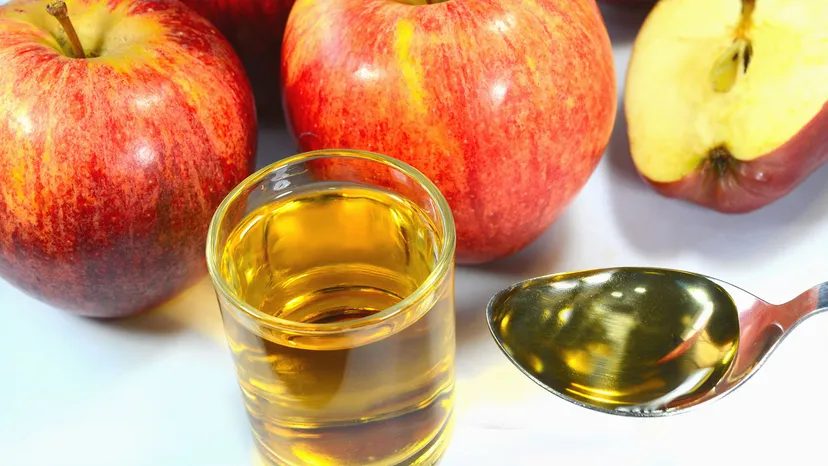
Let’s look at what is actually in the bottle. And more importantly, what the data says about apple cider vinegar for weight loss.
The Acetic Acid Truth
At its core, vinegar is just acetic acid. That is the active ingredient doing the heavy lifting. Whether you use white vinegar, red wine vinegar, or the trendy amber liquid in the mason jar, the chemical profile is nearly identical. Most standard vinegars sit at 5 to 6 percent acetic acid. Rice vinegar is milder, dipping down to 2 or 4 percent.
So why the obsession with apple cider vinegar specifically?
It’s taste. Acetic acid is harsh. Apple cider vinegar is sweeter. More palatable. Barely. This mildness makes it easier to mix into drinks. Brands also market raw, organic, unfiltered versions with the “mother.” These have a cult following. They promise gut health. They promise detox. But when you strip away the marketing, you are mostly looking at the effects of acetic acid.
What the Studies Actually Show
Deborah Murphy, a registered dietitian in Chicago, puts it bluntly. The research on weight loss is limited. Yes, there are studies. But they are small.
Animal studies showed promise. Mice fed high-fat diets and given acetic acid accumulated less body fat. Humans are not mice, though.
The largest human study to date comes from 2014. Researchers followed 175 obese adults in Japan. Some drank a beverage with one or two tablespoons (15 to 30 milliliters) of apple cider vinegar with their meals. Others did not.
After 12 weeks, the vinegar group lost 2 to 4 pounds. Their BMI dropped by 0.4 to 0.7 points. The control group saw no statistical improvement.
Is 2 to 4 pounds significant? It’s weight loss. But calling it a “cure” is a stretch. That is a third of a pound a week. Hardly the overnight miracle advertised in clickbait thumbnails.
Feeling Full for Longer
There is another mechanism at play. Gastric emptying. This is how fast food moves from your stomach to your small intestine.
Smaller studies suggest acetic acid slows this process. In a trial with just 10 people with type 1 diabetes, those who drank apple cider vinegar kept food in their stomachs longer. Their stomachs swelled more after eating.
The result? You might feel fuller. You might stay fuller longer. This could theoretically help you eat less. But the scientific proof remains modest. It is not a blockage. It is a slight delay.
The Real Secret?
“There is still no single food that holds the ‘secret’ to weight loss,” Murphy says. The internet loves a shortcut. It loves a simple answer. But the reality is boring.
You lose weight by eating healthy. You sustain it by moving your body. Apple cider vinegar is not a replacement for effort.
How to Use It Safely
If you want to try it, do not drink it straight. Cynthia Sass, a performance nutritionist in New York and Los Angeles, warns against this. The acetic acid eats away at tooth enamel. It can burn your esophagus. It is corrosive.
If you are going to drink it, dilute it. Sass suggests two teaspoons of organic apple cider vinegar and a teaspoon of honey in warm water. Once a day. Do not go overboard. The frequency and quantity matter.
You also do not have to swallow it. Murphy suggests cooking with it.
Make a simple vinaigrette. Whip up a tangy coleslaw. Whisk a marinade for chicken or fish. Add a dash to sautéed greens. You get the flavor. You get the acetic acid. You avoid the dental damage.
A Note on Blood Sugar
The jury is still out on the scale. But there is promising research in a different area. A small study showed vinegar can significantly improve insulin sensitivity. This happens after a high-carb meal.
This is relevant for diabetic and prediabetic patients. It is not weight loss. It is metabolic health. That is a different kind of win.
So, will it melt belly fat in seven days? No. Will it help you feel full? Maybe. Is it a magic pill? No.
But it is cheap. It is natural. And if it helps you stick to a plan, it is worth a try. Just dilute it. And keep moving.