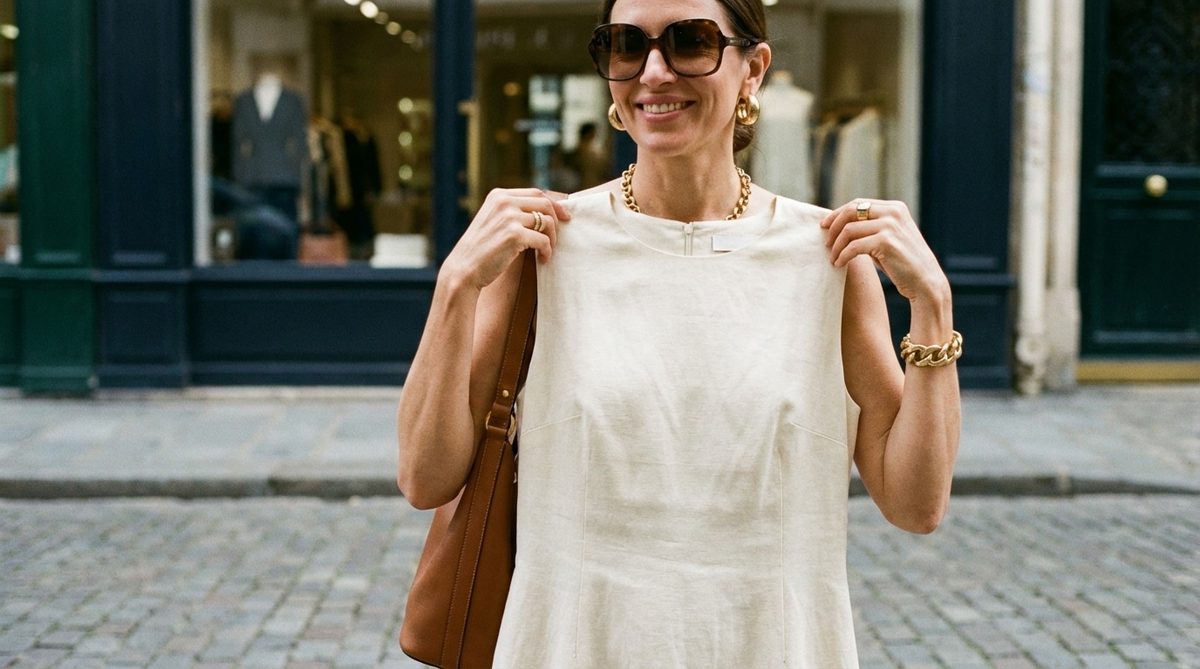
Scroll through TikTok or Instagram for five minutes and you will see it. A video of someone holding up two rectangular pieces of fabric. Then a quick montage of tying knots and wrapping. Finally, a stunning, custom-fit garment that looks like it came from a high-end boutique. No sewing machine. No paper patterns. No prior experience required.
It is happening right now. A Japanese technique is sweeping across social media, captivating everyone from seasoned DIYers to complete beginners. The premise is deceptively simple: turn two simple pieces of cloth into a bespoke creation.
With spring in the air, the urge to refresh your wardrobe without draining your bank account or adding to your carbon footprint has never been stronger. This method answers that urge head-on. But why is it spreading so fast? How does it work when traditional tailoring seems so complex?
How the Japanese Knotting Technique Actually Works
The core of this trend lies in a method often associated with zero-waste pattern design. It strips away the intimidation factor of traditional fashion construction. Instead of cutting complex geometric shapes and worrying about grain lines, you start with raw fabric.
Here is the breakdown of the mechanics:
- The Base: You take two pieces of fabric. They can be identical sizes or varied depending on the desired drape.
- The Structure: There is no stitching required for the main body. The garment is held together by tension, folding, and tying.
- The Fit: The “custom” fit comes from how you wear it. By adjusting the tightness of the ties and the placement of the fabric folds, the garment molds to your specific body shape.
“You don’t need to be a tailor. You just need to understand how fabric drapes and where your body needs support.”
This approach democratizes fashion. You are not fighting the material; you are negotiating with it. The result is often asymmetric, flowing, and unique. One person’s version might look like a chic wrap dress. Another’s might resemble a structured tunic. The variables are endless.
Why It Is Beating Traditional Sewing Projects
Traditional sewing projects fail for many people. They require precise measurements. They demand a dedicated workspace. They involve buying specialized tools like pins, chalk, and rotary cutters. Then there is the frustration of the zipper breaking or the seam puckering.
This Japanese-inspired method bypasses almost all of those pitfalls.
- Speed: You can create the base structure in under an hour.
- Cost: It requires minimal material. If you use leftover fabric or upcycled sheets, the cost is near zero.
- Sustainability: Because there are no waste scraps from cutting out pattern pieces, it is genuinely zero-waste. Traditional pattern cutting often leaves 15-20% of fabric on the cutting table as scraps.
Which Fabrics Work Best for This Trend?
Not every cloth behaves well with knots and wraps. The structure relies on the fabric having some weight and drape.
- Chiffon or Silk: Excellent for flowy, elegant looks. They drape beautifully but can be slippery to handle.
- Linen: Provides structure and a crisp look. It holds folds well, making the “knots” stay in