Wigs are not a modern-day vanity project. they are very old.
The Egyptians used it. The Greeks used it. The Romans used it. But this obsession reached its peak in Europe in the 17th and 18th centuries. Gunpowder taxes became so excessive that Prime Minister William Pitt introduced them in 1795. What is the goal? Don’t waste wig powder starch on war funds.
A century later, the industry has changed again. In the 1950s, synthetic wigs made of nylon and viscose became common. Suddenly, human or animal hair is no longer normal.
Next, hair extensions.
These are different than wigs. A wig covers your head. Hair extensions are strands of hair that are braided or attached to your natural hair. It has been around for thousands of years, but demand skyrocketed in the 1990s. This is a huge industry. Human hair extensions cost between $200 and $3,000. In 2007, the division’s turnover was estimated at 300 million dollars.
The appeal is obvious. Done well, it looks stylish. They can also do charity work. Organizations like Locks of Love collect hair to make wigs for patients who have lost their hair due to disease.
But there is also a dark side.
If your plugin has issues, it doesn’t just look bad. May cause permanent damage. Before booking a salon appointment, you should understand the risks.
Consider the example of a woman who lives in Dorset, England. Her stylist was ordered to pay her approximately $11,000. Why? Her hair was falling out because of the extensions. This is not an isolated incident. This is a reaction to a condition called traction alopecia.
什么是牵引性脱发?
如果您正在寻找接发如何导致脱发 ,答案通常在于紧张。
牵引性脱发是由于毛囊持续受拉而引起的脱发。 这不仅仅与头发的重量有关。 这是关于随着时间的推移对头皮施加的压力。
当延伸物附着得太紧或放置时间太长时,毛囊就会发炎。 头发稀疏了。 最终,毛囊完全停止产生头发。
这不仅仅是装饰性的。 这是医学的。
“牵引性脱发是接发的常见副作用,通常是由于安装不当或长时间佩戴造成的。”
迹象表明你的头皮有问题
您可能不知道自己患有牵引性脱发,直到为时已晚。 损害在早期阶段通常是可逆的。 如果忽略,它可能是永久性的。
留意这些迹象:
- 酸痛 :您的头皮触感柔软。
- 发红 :发际线周围的皮肤出现发炎。
- 肿块 :沿着分型线形成小丘疹或囊肿。
- 稀疏 :您注意到刷子里的头发比平时更多。
- 断裂 :头发在根部附近折断。
如果您遇到任何这些情况,请立即删除扩展。 看皮肤科医生。 不要等待。
美容事业与现实风险
推广行业是建立在欲望之上的。 它保证了长度、体积和变形。 价格反映了这种需求。 但成本却不是

The Hidden Cost of Quick Hair Fixes
Getting that instant volume or length boost feels like magic until you look in the mirror a few days later and realize your scalp is screaming for mercy. It’s easy to blame the extensions themselves, but the real culprit is usually the method. We dug into the science by talking to trichologists—doctors who specialize in hair and scalp health. Their verdict? When installed by a pro, extensions are largely harmless. It’s the DIY disasters and lazy installations that turn a beauty routine into a medical issue.
The Tug-of-War: Traction Alopecia
The most common complaint isn’t just pain; it’s permanent hair loss. Traction alopecia happens when the weave is pulled too tight. As you move your head, the extensions tug at your natural roots. It’s a constant, low-grade assault on your follicles.
Remove the extensions poorly, and you don’t just lose the added hair. You lose your own. The inflammation at the root site can linger, turning what should be a temporary style into a patchy, thinning problem.
The Comb Trap
Even if the tension is right, the mechanics of wearing extensions are tricky. Most styles bond directly to your natural hair strands. Brush them out, and the comb teeth catch on the bonds. This isn’t a gentle detangle. It’s a yank.
Every stroke risks pulling on your scalp. The consensus among experts is clear: because this physical irritation is hard to avoid, extensions should remain a short-term accessory, not a permanent fixture.
Heat and Chemistry: A Risky Mix
Some methods use heat sealing. A professional uses a heated clamp to melt a bonding solution at the root, fusing the extension to your hair as it cools. It sounds precise. It requires a heat shield to protect your skin. But if that shield slips, or the temperature is too high, you’re looking at a burn.
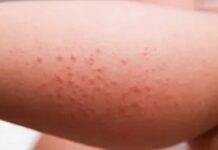
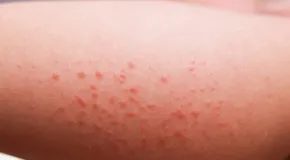
Then there’s the glue. Whether it’s heat-activated or adhesive, these chemicals can trigger contact dermatitis. Think of it as the hair equivalent of poison ivy. Red. Itchy. Uncomfortable rash.
The irony? You often won’t know you’re allergic until the chemicals are already on your scalp. The removal process uses even harsher solvents to break the bond, posing the same risk all over again.
Why Professional Installation Matters
You can’t guess how your scalp will react to these chemicals or tension levels. The only real safeguard is a reputable salon with trained professionals who know how to balance weight, tension, and material safety.
Yes, it costs more. Yes, it takes longer. But when you weigh the price of a bad installation against the potential for permanent thinning or chronic inflammation, the choice becomes obvious. Your hair follicles don’t have a warranty. Treat them with care.