Eyebrows frame your face. You define your look. If you’ve ever stared in the mirror and sighed because your arches are thin, patchy, or just gone, you’re not alone. The solution is no longer a pen. It’s accuracy.
Enter the hair-stroke technique. Also known as microblading or manual eyebrow tattooing, this method differs from traditional shading or powder eyebrow tattooing. It’s all about creating the illusion of natural hair. Individually.
For women with sparse or thin eyebrows, this technique offers salvation. It’s not just about closing the gaps. It’s about the structural integrity of your face. But how does it work in practice? And is the controversy about it justified? Let’s break it down.
The mechanics of Hair-Stroke
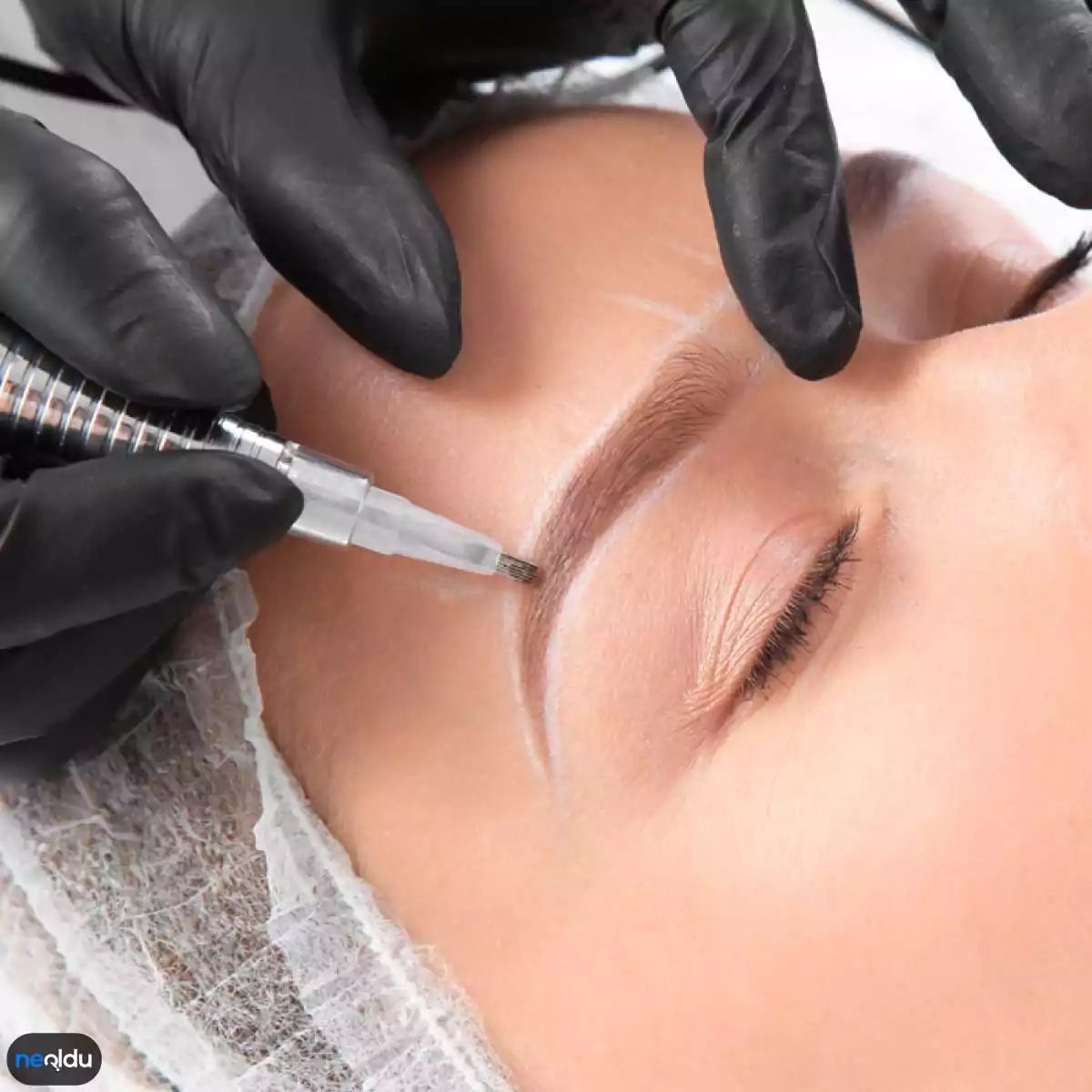
So how is the eyebrow shaping technique performed at the hair-stroke? It is manual. No machines. A practitioner uses a handheld device with a series of fine needles arranged in a linear pattern.
The process starts with a consultation. Here, the shape is determined by the unique bone structure. The standard form is not applied blindly. It’s based on your Cupid’s bow, the bridge of your nose, and the outer corner of your eye.
Once the shape is set, the skin is numbed. After this, the artist makes small, superficial cuts in the epidermis. They deposit pigment for these cuts. This is where depth matters. Too deep and the color fades to blue or gray. Too superficial and disappears after days.
“The aim is to imitate the direction, thickness and curvature of natural eyebrows.”
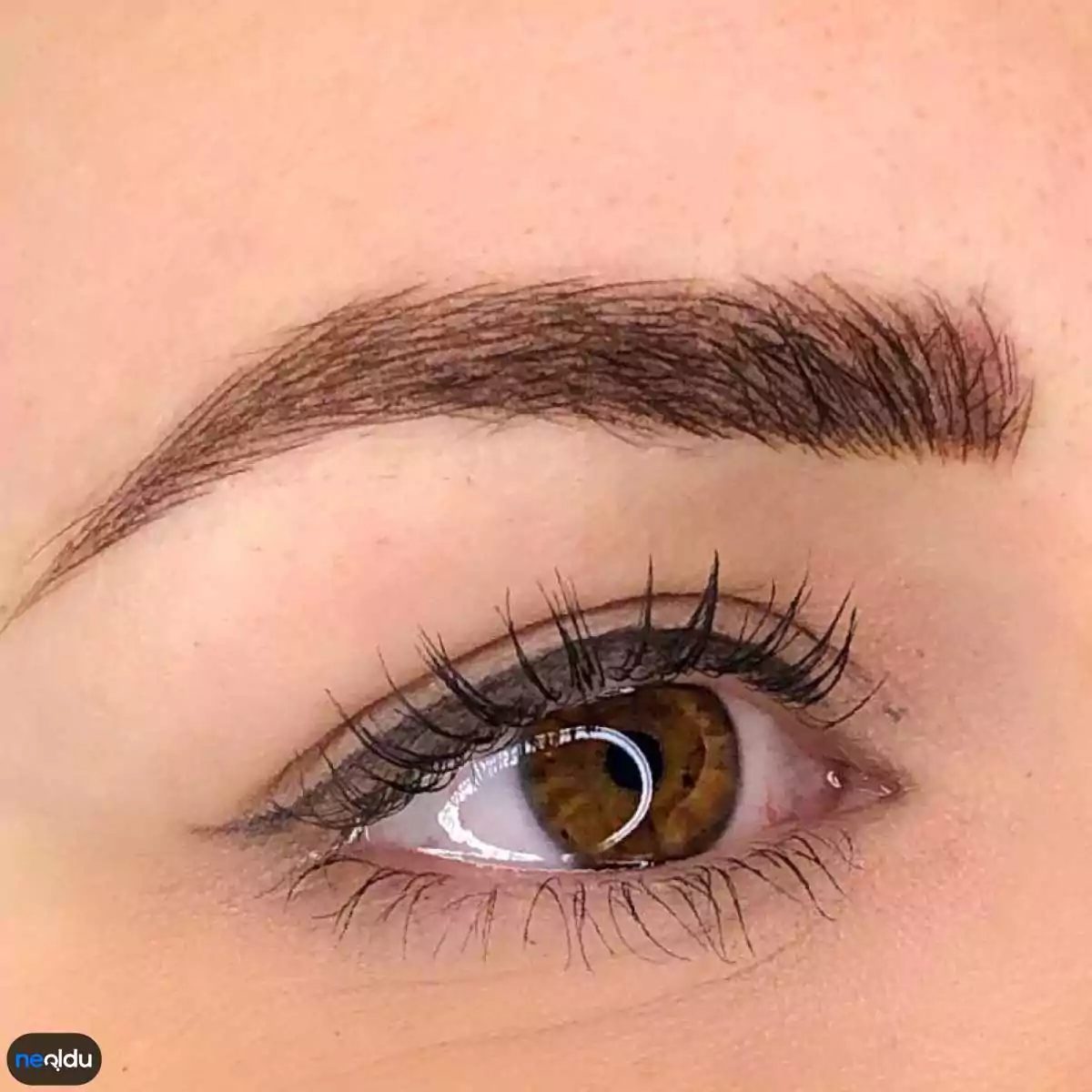
This requires a steady hand. And experience. The artist draws each stroke one by one, following the natural growth pattern of the brows. Therefore, it looks different than machine-worked brows, which often have a smoother, shaded appearance.
Why should you choose Hair-Stroke over traditional methods?
You may be wondering why this particular method is trending. The answer lies in realism.
Traditional eyebrow tattoos from the 90s and early 2000s often resulted in massive, blocky shapes that looked like markers. Powder eyebrows offer a soft, make-up effect. But the hair-stroke? It provides texture.
- Natural Look: Because each stroke is unique, it blends seamlessly into your existing hair.
- Customization: You can choose the density. Do you want a full, bold look or a barely visible enhancement? The artist can adjust the pressure and spacing.
- Longevity: Although hair-stroke brows are not permanent like traditional tattoos, they last longer than daily makeup. They usually last 1-3 years depending on skin type and aftercare.
But is it right for everyone? Not exactly.
Who is this technique suitable for?
If you have oily skin, you need to be careful. Excess oil can displace pigment, causing fine lines to blur or fade faster. In some cases, strokes can spread and lose their clear outline.
If you have very sparse eyebrows, this technique is ideal. It sets the stage. If you have hair but want to fill in tails or a bow, it works wonders.
What about skin diseases? Active psoriasis
The essence of Microblading restoration
So I decided to go the kıl tekniki Ile Kaş konturü route. You want strokes that resemble hair, not solid blocks of color. A good choice for creating a natural contour. But the problem is that when you get up from your chair, no work is done. The first 24-48 hours are critical for eyebrow healing.
Before we talk about treatment, let’s talk about the elephant in the room. pain. Most customers are worried about this. Good news? Don’t feel too much. Before the needle touches your skin, a local anesthetic is given to the area. This is a single-use, sterile needle. Hygiene is not an afterthought here. The artist will clean your face and outline the shape with a pencil for your approval. Only then will the device come out. If you are one of the thousands of people who have lost their eyebrows due to chemotherapy, this technique is often your first choice for eyebrow regrowth. Pinpoint. This is personal.
If done correctly and with the proper equipment, the risk of bleeding or severe scabbing is low. Some redness may be visible. Maybe there will be blood. that’s it. If you see a red river, something is wrong. Go away.
预约后要注意什么
治愈不是线性的。 您会立即看到结果,但它们看起来会太暗。 然后,它们就会褪色。 然后,他们就会和解。 以下是您实际需要做的事情,以保持您的投资良好。
- 保持干燥。 最初24小时,眉毛上绝对不能有水。 没有汗水。 没有蒸汽。 如果您经常去健身房,请跳过几天有氧运动。 水分会在颜料凝固前将其吸出。
- 涂抹药膏。 您的技术人员将为您提供治疗软膏。 通常只是少量。 不要让他们窒息。 薄薄的一层就足以防止该区域破裂。
- 不要挑选。 这是最难的部分。 会痒。 它会剥落。 当它愈合时,它会看起来不完整。 如果你抠痂,色素就会一起被拉出来。 你会创造出洞。 不摘。 让它自然脱落。
- 避免阳光照射。 紫外线比其他任何东西都能更快地分解色素。 如果你在外面,请戴上帽子。 跳过晒黑床。
这项技术实际上适合谁?
它不仅仅适合眉毛稀疏的人。 它适合任何想要用逼真的发丝“填充”稀疏区域的人。 如果眉毛间隙很大,或者眉毛不均匀,这就是解决方案。 使用的颜料是有机的,这意味着与传统的纹身墨水相比,它们随着时间的推移会更自然地褪色。 传统纹身模糊并变成蓝色。 这会褪色为更浅、更柔和的色调。
对于那些因之前手术而皮肤敏感或有疤痕组织的人来说,这也是一个不错的选择。 因为针只刺入表面,所以对皮肤的伤害较小。
现实检验
完美吗? 不会。眉毛会随着年龄、体重和荷尔蒙的变化而变化。 您可能需要在 6 天内进行修饰
The Aftercare Checklist
The real work starts after you walk out of the chair. If you skip the maintenance, the precision you paid for vanishes quickly. Hydration is non-negotiable. You need to apply moisturizer to the area two or three times daily. Dry skin pulls at the newly mapped hairs and dulls the pigment.
Then comes the water rule. For the first seven days, avoid taking showers that hit the face directly. Steam and splashing water can fade the tint before it sets. This isn’t about staying indoors forever. You can go to work. You can run errands. Just keep the stream away from your brow bone.
Sun exposure is the other enemy. Direct sunlight for at least a week will break down the color molecules. You want that contour to stay sharp. Shield the area with a hat if you must step outside. The skin is slightly sensitive after the threading process. Let it calm down before you introduce harsh UV rays.
Finding the Right Studio for Brow Mapping
Where should you go for this specific technique? Not every salon offers true brow mapping. It requires a precise geometric approach, not just a quick tweeze. Look for a certified aesthetician who specializes in facial hair removal. Ask about their training in the Kıl tekniği method specifically.
You want someone who uses a measuring tool to determine the start, arch, and tail of the brow. This ensures symmetry. A general beauty therapist might just “shape” your brows. That’s different. Mapping creates a blueprint.
Check reviews for comments on symmetry and pain levels. The technique is faster and less painful than waxing for many, but it requires skill. If the provider rushes the measuring step, the result will be uneven.
The Long-Term View
This isn’t a one-time fix. The contour fades as the skin heals. The tint lasts a few weeks. The shape holds longer. But the hair keeps growing. You’ll need touch-ups.
The key is consistency. Treat the brows like a long-term project, not a quick fix. Keep them hydrated. Keep them out of the sun. Find a provider you trust to maintain the geometry.
It’s about finding a balance between precision and natural growth. The map guides you, but life moves. Hair grows back. The contour shifts. You adjust. That’s the reality of keeping brows in check.
The hair stroke method isn’t a DIY project. It demands precision. Professionals handle this. Hygiene matters. Sterile environments prevent infection. Proper equipment ensures consistency. Choose a clinic that specializes in hair transplants or advanced eyebrow artistry. Experience counts.
Mistakes here are costly. Poor contouring looks unnatural. Fixing errors is difficult. Often, it requires expensive correction procedures. Prevention is cheaper than repair.
Communicate clearly before the needle touches skin
Talk to your technician early. Define your expectations. Show reference photos. Discuss shape. Discuss color. Discuss density. If you want thick, bold brows, say so. If you prefer soft and natural, be specific. Vague instructions lead to vague results.
Reach an agreement on the design
Drawings happen before the actual procedure. Your technician sketches the proposed shape on your face. This is your chance to adjust. Do not be shy. Point out what works. Point out what doesn’t.
Clear communication prevents regret.
Agree on the final design before any pigment enters the skin. Once the hair strokes begin, changes are harder to make. You want to feel confident looking in the mirror. Not anxious about symmetry.
This technique mimics natural hair. It grows with you. But it starts with a conversation. Make sure you and your technician are on the same page. Then the results will follow.