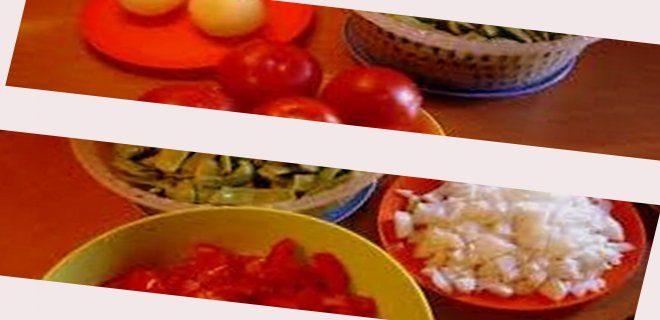
There is a specific kind of comfort found in a well-made zeytinyağlı yeşil fasulye. It is not about complexity. It is about letting the olive oil do the heavy lifting. This dish is a staple in Turkish homes. It is served cold or at room temperature. It is a main course on its own or a side to grilled meats. The goal is tender beans that have absorbed the sweetness of the tomato and the sharpness of the onion without falling apart.
Here is how you make it.
Ingredients You Will Need
You do not need a pantry full of spices. The flavor comes from the quality of the olive oil and the freshness of the vegetables.
- 1 kg green beans : This will serve about four to five people. Pick beans that are slender and snap cleanly when bent.
- 2 medium onions : Yellow or white work fine.
- 3 medium tomatoes : Ripe ones yield the best sauce.
- 1.5 teaspoons salt : Adjust to your taste.
- 4 tablespoons olive oil : Use extra virgin if you can. It is the star ingredient.
- 1 teaspoon tomato paste : Optional. Some people skip this. If you use it, it adds depth.
- 1 sugar cube : This is the secret. It balances the acidity of the tomatoes.
- 2 cloves garlic : Minced or crushed.
The Method
Start with the oil. Pour the 4 tablespoons of olive oil into a pot. You want a generous amount. The beans will drink it up.
Dice the 2 onions into small cubes. Small is better. You want them to melt into the sauce, not remain as distinct chunks that overpower the delicate beans.
Prepare the beans. Wash them thoroughly. Trim the ends. Do not shred them. Cut them into two or three pieces. Some people slice them diagonally for a nicer shape. Others just chop them. Both work. The key is uniformity so they cook evenly.
Add the beans to the pot with the onions and oil. Stir them gently. You are not trying to brown the onions. You are just coating the beans in the oil and letting the onions soften. This step takes about five minutes. Keep the heat low.
Add the 3 tomatoes. If you are using them, add the 1 teaspoon of tomato paste now. Stir everything together. The tomatoes will break down quickly. Let the mixture simmer. This is where the magic happens.
Add the 1.5 teaspoons of salt and the 1 sugar cube. The sugar is not for sweetness. It is for balance. It cuts the sharp acid of the tomato. If you taste the sauce later and it feels too bright or sour, the sugar helped.
Cover the pot. Lower the heat. Let it cook. This part requires patience. You want the beans to become tender but not mushy. Check after twenty minutes. Taste a bean. If it is still hard, give it more time. If it is soft, it is done.
Add the 2 cloves of minced garlic in the last five minutes of cooking. Raw garlic can be harsh. Cooked garlic is sweet and aromatic. Stir it in. Let it meld with the sauce.
Turn off
Peel these four tomatoes. I know it’s a chore. But it makes the finished food smoother, less acidic and easier to eat. Dice them up. Small cubes work best here. Add them directly to the pot where the beans were cooked.
Now add the paste. A spoonful is usually enough. You want depth, not a wall of flavor. Add a cube of sugar. And salt.
It’s not just about sweetening the pot. The sugar softens the spiciness of the tomatoes and balances the acidity. It’s a classic move. Don’t skip it.
Turn down the heat. Low and slow. This is where the magic happens. Let it simmer for five to ten minutes.
Watch it.
Don’t go away. The tomatoes need to break down. You want them to release their juices. They should start to lose their structure. Mash them lightly with a spoon as they cook. The beans also change color. You get a deeper, richer hue. The sauce will become thicker. It clings to the beans instead of swimming around them.
Five minutes is a good goal. Ten if you’re not in a hurry. But don’t rush this step. High heat just burns the sugar and makes the sauce taste bitter. The flavors blend with gentle heat.
Result? A sauce that tastes like it was made by someone who really cares about texture. Not just the ingredients.

The change happens when the beans finally soften. This is the moment you’ve been waiting for. You will notice a color change when cooking. It’s subtle, but important to the final texture and appearance.
When the beans yield to the pressure of the fork and their color deepens, it’s time for the final step. Add two cups of water to the pot. Don’t rush this step.
Turn the heat to low. Let it simmer gently. This slow cooking method ensures that the beans stay soft without falling apart. In this way, the flavors also blend perfectly with each other.
Do not boil them vigorously at this stage. High heat can cause the skins to harden again. Low and slow is the only way.
Enjoy your meal